
Analysis from Steve Ahern.
There is no doubt Kyle Sandilands can pull an audience.
That’s why there has been so much coverage of his court case since ARN terminated his contract, people want to know about him.
In the most recent ratings, the first without Kyle and Jackie on air, KIIS lost 132,000 listeners from its Sydney breakfast show. The station’s overall share dropped from 8.7% of the Sydney listening audience to 7.4% and in Melbourne it rated 5.3%. Kyle’s radio audience, as reflected in the station’s overall share demographics, stretches from 10-54 year olds. It is an audience that has grown up with him over more than 20 years. Twenty year olds listening to him back when he and Jackie began on 2DayFM in 2005 are now in their 40s. But the audience has not aged out with Kyle, he has held his long term listeners but also keeps adding new younger listeners.
In survey 1 this year the KIIS audience was mainly spread across four demographics. In survey 3, just released last week, there were declines in the younger side of the demographic (10-17s) and the older 40-54s.


With today’s announcement of a settlement in the ARN – Sandilands court case, people are asking what’s next for Kyle. What will Kyle’s new show be like?
One thing we know for sure is that Kyle will not be on a rival radio station any sooner than April next year, due to the ‘restraints’ clause in the settlement agreement.
After that, could Kyle join another radio station. Maybe, if they want him. Most networks I contacted today were not willing to make their views public about whether they would like to have Kyle on their station or not in 2027.
Internally, stations will be weighing up the risks and benefits of such a move. The 3Rs associated with Kyle are ratings, revenue and risk.
Kyle and Jackie proved they could move an audience a decade ago when they defected from 2Day to KIIS and took almost all of the audience with them. That was before the underperforming Melbourne networking experiment, the loss of Jackie from the program and the coming of the consumer lobby group Mad Witches.
One person willing to go on the record was Graham Mott, the current CEO of the SuperRadio Network and a highly experienced radio industry leader of many decades. He told me:
“Kyle is a star who attracts listeners and revenue. But his on-air behaviour creates an enormous risk for any broadcast company under the current broadcasting rules.
“It’s interesting to note that he is likely to do an online breakfast show where no broadcast rules apply. Kyle “uncensored” will be a very interesting show that will attract listeners. As to how many, who knows?”
Kyle Uncensored... what a good name for a show, given all the coverage of the role of the censor on his breakfast show.
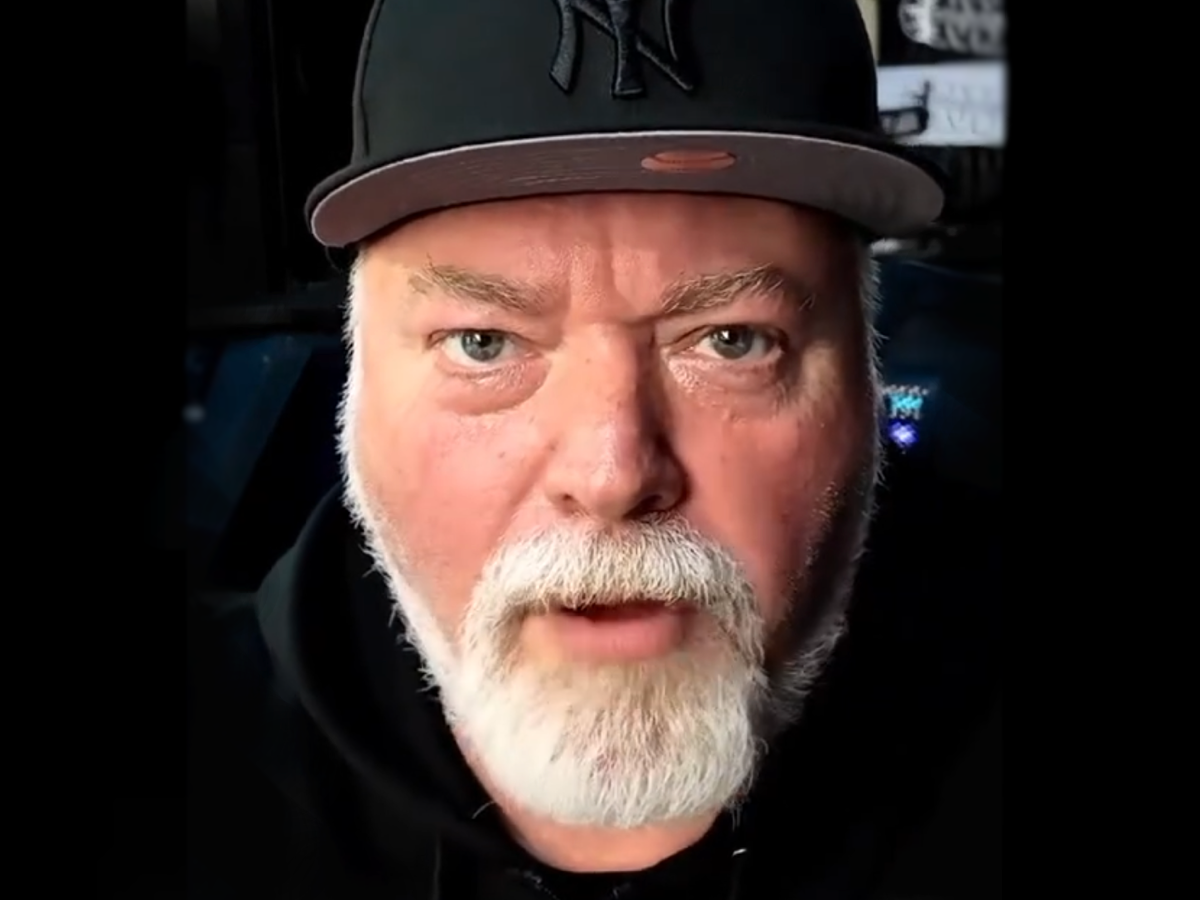
The other possible name for a new Kyle show could be Kyle Sandilands Live, as teased intentionally by Kyle in a video a few weeks ago.
Kyle’s pursuit of “independent media opportunities” between now and when the contract restraint is lifted could include a live streamed show, either on a free platform such as Youtube or Twitch or a subscription pay platform. If he was backed by a few business related supporters and fans willing to subscribe, it would free him from the worry of lobby groups targeting his advertisers. Imagine a live show in the breakfast timeslot, daily or weekly, with replays available on line and as a podcast. It worked for Hamish and Andy, Howard Stern and Joe Rogan.
Howard Stern is a particularly interesting comparison. In recent years Stern has reinvented his style, moving from a focus on outrageous stunts and comments to more of an interview show. In his on air broadcast radio days, Stern’s show was often combative, sexualized, and designed to exploit guests and question celebrities about their personal lives. Sound familiar? Now Stern has transformed his show into a long-form, empathetic interview style format.
Kyle already has the infrastructure and contacts to monetise such a show. He also has a deal with ARN to promote it, as outlined in the settlement. It would also avoid scrutiny from the broadcast regulator. But would it make enough money or be able to successfully incorporate the live listener segments of the radio show?
Depending how the show develops, there would be plenty of content that could be pulled out of it and used by a network for a ‘best of’ cut down show, or as segments in other programs. If the new show is more an interview format like Joe Rogan or Howard Stern, maybe the podcast version would also get a run on a talk station like 2GB or 2SM. A prerecorded podcast would give the radio station time to cut out any unsavoury elements that could incur the ire of the regulator and the consumer lobbyists.
There’s more to come in this story, we just don’t yet know what, but one thing is for sure, Kyle will not disappear quietly from the Australian media landscape.
Previous reports:
About the Author

Steve Ahern is the publisher of this trade journal and works internationally in areas of technology, training and media development.
You can subscribe to this publication for just $199 per annum (less for community stations, students and pensioners) and support local media. Celebrate Radioinfo in its 30th year.