
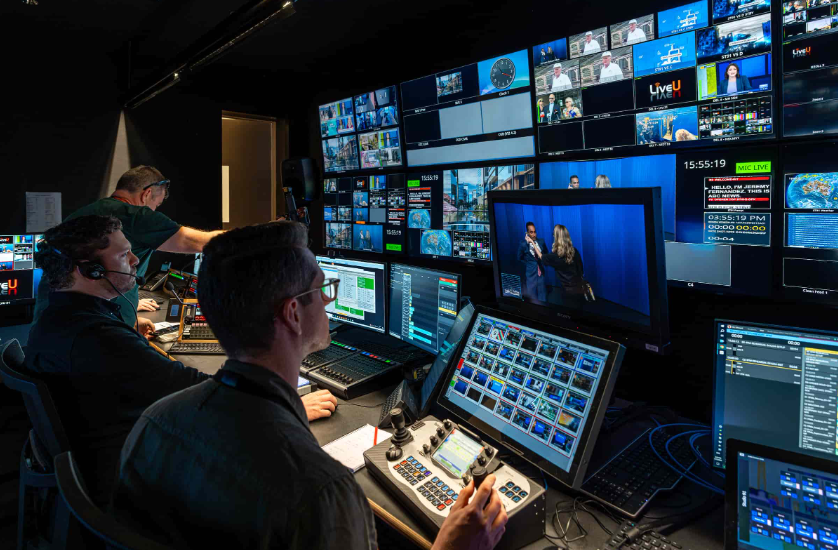
Today is World Radio Day 2026, with the theme Radio and Artificial Intelligence: AI is a tool, not a voice. Demonstrating its use as a time saving and problem solving tool, the ABC have modernised its 90-year-old archive using the Gemini API in Vertex AI for multimodal analysis, to create descriptive metadata.
In more straightforward terms, The ABC holds decades of audio and video from newscasts, interviews, and documentaries that chronicle history, but for anyone to find relevant items for future use it needs to have high-quality metadata. This process is immensely time-consuming. Some published content has been carefully catalogued, but the ABC Archive also holds thousands of hours of inconsistently recorded content as well as more that is raw and unpublished.
Once upon a time a label on a roll of film was sufficient. Today, modern metadata standards require consistent data points for all records to ensure content is searchable, exchangeable between systems, and usable for generations. This metadata includes detailed descriptions of what is shown, names of talent, dates of capture, detailed transcripts, and more.
The ABC have used an open-access digital platform called CoDA (Content Digital Archives), which was launched in 2018. Content makers, such as journalists, producers, and editors can use CoDA for most any media without needing to visit the vault to view source tapes on analog equipment.
CoDA then launched an AI-enhanced archive project to make the process even easier With the Gemini API in Vertex AI, and Gemini 2.0 Flash models at the core of the initiative, it streamlines the creation of AI-generated metadata for CoDA’s ever-expanding library of multimedia assets. Gemini has shown itself able to process half a million video segments concurrently.
Damian Cronan, the Chief Digital and Information Officer for the ABC said:
“This work strengthens one of the ABC’s greatest assets, our archive, by making its depth instantly accessible to our journalists. By generating rich, consistent metadata at scale, we’ve opened up decades of footage in a way that supports faster discovery, sharper storytelling, and better use of this valued national resource.”
The Gemini 2.0 model automatically catalogues a segment of video and can flag incidental footage, such as “dolphins swimming around Sydney Harbour” which then helps content makers find the right footage to benefit their stories. It makes the user searching for something to be able to go beyond ‘cricket game’ to very specific requests like “find clips of a cricketer with zinc on their nose.”
The next steps for the technology will see attention turned from video to audio through a similar process. Instead of hours trying to find the right kind of video, image or audio, content makers will be able to find what they need in seconds.
... so the ABC disbanded its Archives department, sacked all its long-term employees, replaced it with AI and is now boasting about it ...