

Audio Academy – a joint initiative of radioinfo and Abe’s Audio.
Learn from experienced professionals across the audio industry.
When people think about audio production, they usually think of voiceover talent, the audio engineers, or the final ad that goes to air. But what they don’t often see is the team behind the scenes making it all happen.
Britt Dolbey sits right in the middle of that process at Abe’s Audio.
As Head of Production Coordination, Britt oversees a team that handles 100+ incoming projects daily, manages voiceover casting, coordinates production workflows, and helps ensure everything is delivered on time and on brief.
We talked with Britt to talk about building team culture, managing remote teams, casting voiceovers, handling client briefs, and what it takes to keep a team running smoothly under pressure.
Britt, Tell Us About Your Journey Into Audio
Like many people in the industry, Britt didn’t set out to work in audio production. In fact, before joining Abe’s, she’d never really thought about where voiceovers or ads came from.
“I answered a SEEK ad that sounded more interesting than a receptionist job,” she laughs.
Even on her first day, she wasn’t entirely sure what she’d signed up for. But it didn’t take long to become fascinated by the process.
From voiceover recording through to final audio production, Britt found herself drawn to the creative and logistical challenge of bringing projects together. Today, she leads Abe’s Audio’s production coordination team, managing voiceover talent, project workflows, client communication, and delivery across a huge range of audio projects.
What Does A Production Coordination Team Actually Do?
A big part of Britt’s role is matching the right people to the right projects. That includes:
- Brief management
- Voiceover casting
- Project coordination
- Audio engineer allocation
“We know our voiceover talent really well,” Britt explains.
That knowledge helps her team recommend talent that aligns with both the creative brief and the practical requirements of the project. They also carefully pair projects with engineers who have the right skillset to deliver the best possible result.
How Does Voiceover Casting Work?
Every client approaches casting differently. Some clients are happy to trust the team completely, while others prefer to be more involved.
For some projects, Britt’s team will select the most suitable available voiceover artist based on the brief, deadline, and project requirements. For others, they’ll provide multiple voice options, demos, or even custom auditions recorded directly from the client’s script.
That flexibility helps ensure clients feel confident they’re choosing the right voice for their project. And because the team works with voice talent every day, they’re often able to recommend options clients may never have considered.
How Do You Keep A Team Motivated Under Pressure?
Audio production can move very fast. Sales teams have budgets to meet, and clients increasingly expect media companies to deliver almost-instant results. Turnaround times are often measured in hours, not days.
For Britt, leading a team handling a high volume of fast-paced enquiries means building a strong team culture.
“Team vibe is really important to me,” she says.
She’s spent years intentionally creating a culture where team members support each other, communicate openly, and genuinely want each other to succeed. Britt’s found that when that culture exists, people don’t just work for themselves. They work for the team, and this creates a natural accountability that helps everyone perform at a higher level.
How Britt Builds Culture In A Hybrid Team
One of the biggest challenges facing modern businesses is maintaining connection when people aren’t all sitting in the same office. Abe’s is no exception – with staff located around Australia.
Britt’s team operates across both remote and in-office environments. The shift away from a purely local team required a much more intentional approach to communication. So, rather than focusing solely on tasks and deadlines, Britt actively creates opportunities for casual online conversations that would naturally happen in a physical office.
Some examples include:
- Friday afternoon catch-ups
- Weekend discussions
- Sharing dinner plans & pet antics
- Daily conversations that have nothing to do with work
- Silly check-in questions, such as ‘which potato are you today?)
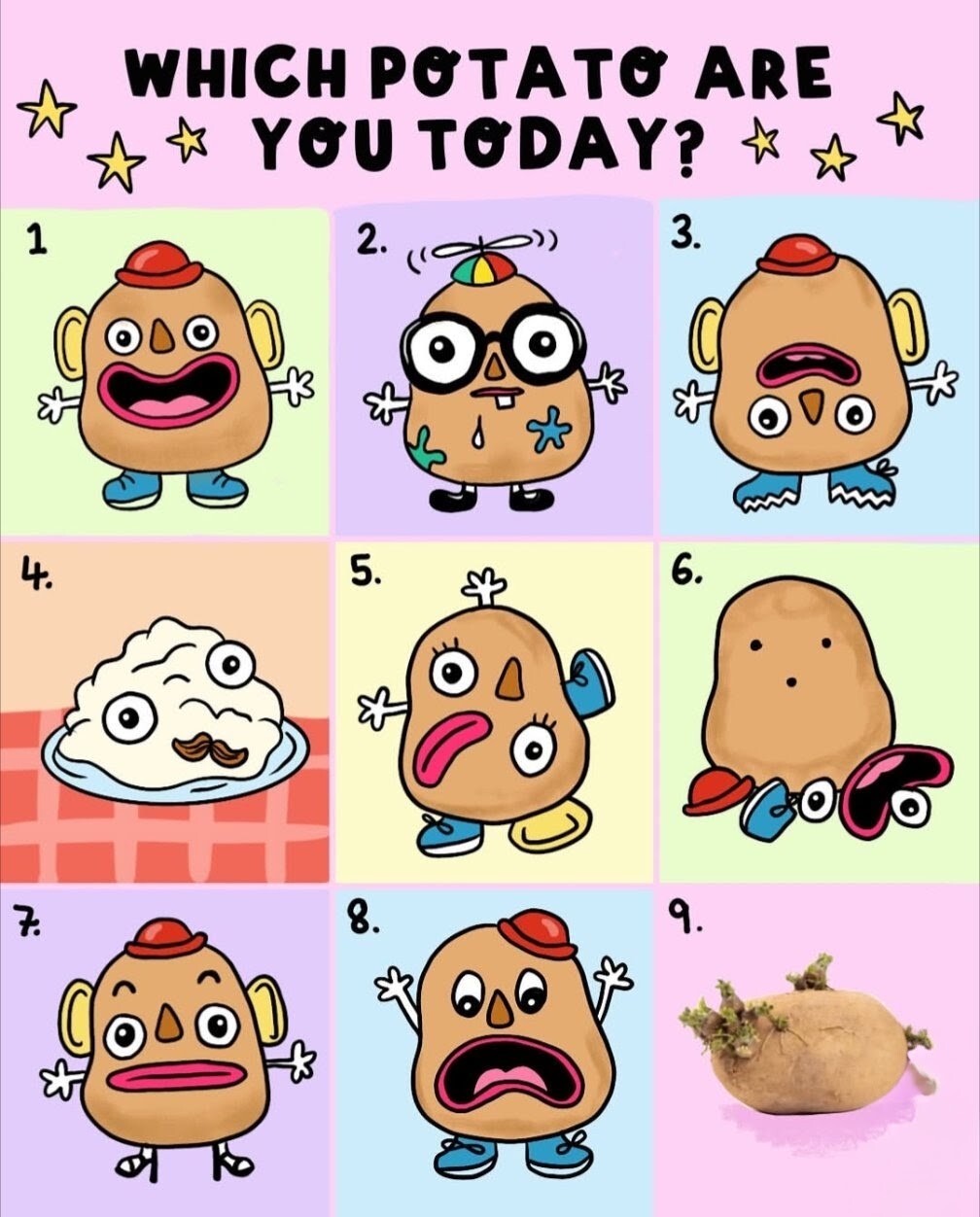
It sounds simple, but Britt says that these moments matter. They help maintain connection, trust, and a sense of belonging.
Why “Rose & Thorn” Became A Team Ritual
One practice Britt introduced was something called Rose & Thorn. Every few days, team members share:
- A highlight from their day (the rose)
- A challenge or frustration (the thorn)
The goal is to create space for honesty.
“Not every day at work is going to be great,” Britt says. By normalising both successes and frustrations and providing a safe space to vent, the team can acknowledge challenges, support each other, and move forward together.
It’s a small practice that’s had a big impact on team cohesion.
How Britt Delivers Feedback Without Damaging Morale
Britt’s approach to feedback is built around curiosity rather than blame.
When something goes wrong, the conversation isn’t “Who’s at fault?” It’s “What happened, and how do we improve next time?” That mindset helps team members feel safe enough to learn from mistakes rather than hide them.
Britt also believes feedback should happen in real time. If there’s an issue, address it immediately. That way lessons are fresh, problems are solved faster, and team members receive support when they actually need it.
This prevents small misunderstandings from becoming bigger problems later – particularly important in leading remote teams, where reading subtle body language cues is more difficult.
Why Gamification Works
One of the more unexpected parts of our conversation was hearing how Britt uses games and funny competitions to keep the team engaged. What started as a simple way to break up a tough afternoon one day evolved into a regular part of team culture.
One popular example Britt has introduced is Abe’s Audio Bingo, a light-hearted game where staff score ‘bingo’points (and prizes) for:
- Funny client phrases & responses
- Team habits (i.e. Abe or Harry offer a discount!)
- Common workplace moments (funny, regular typos, i.e. when asking for a pronunciation, the word ‘pron.’ has often been written ‘prawn’.)
These games and competitions aren’t about achieving KPIs. They’re about engagement, creating conversation, encouraging collaboration, and injecting a bit of fun into busy workdays.
Perhaps the best example came during a recent competition where the two (highly competitive!) team members who were leading the rest in points approached Britt asking how they could help everyone else earn more points too.
That’s culture.
What’s The Best Part About Working In Audio?
For Britt, it’s the variety. “No two days are ever the same,” she says. The industry moves constantly, and that’s exactly what keeps it interesting.
These days, she can’t consume/listen to/watch content without analysing it. Whether it’s a commercial, voiceover, or branded campaign, she’s always thinking:
- Did we work on that?
- Was that the right voice?
- Could that have been done differently?
It’s the kind of curiosity that’s hard to switch off once you’re immersed in the industry.
If Clients Could Improve One Thing, What Would It Be?
Britt points to one thing:
Clearer briefs.
The more information clients provide upfront, the easier it is to find the perfect voice, engineer, and production approach. She also encourages clients to trust the people helping them. They understand how different voices perform across different projects. Ultimately, they’re just as invested in achieving a great outcome as the client is.
Final Thoughts On Building A High Performing Team
Britt is unequivocal. Culture matters. When people trust each other, support each other, and genuinely enjoy working together, the quality of the work improves, staff retention is high, and people enjoy their job.
Listen to our full chat with Britt here.