
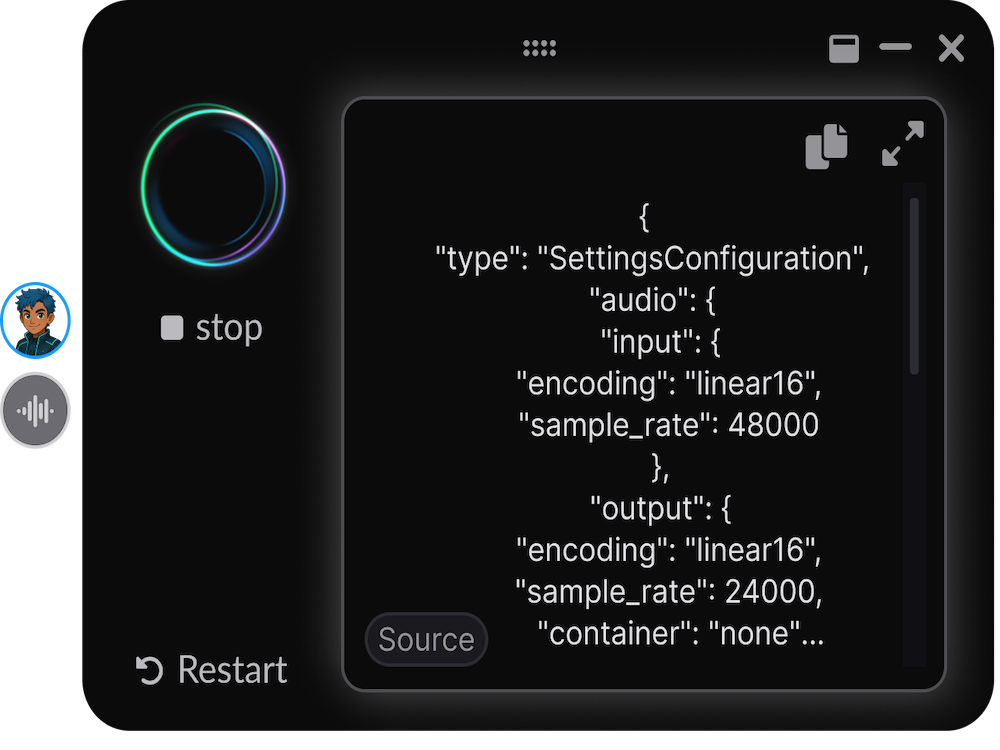
System operations “at the speed of voice.”
As voice control evolves, voice AI platform Deepgram has launched Saga, a Voice Operating System (OS) designed specifically for developers.
Saga is a universal voice interface that embeds directly into developer workflows, allowing users to control their tech stack through natural speech.
Unlike traditional voice assistants that pull developers out of their flow, Saga sits on top of existing tools, transforming rough ideas into precise AI coding prompts, executing multi-step workflows across platforms via Model Context Protocol (MCP), and eliminating the constant context switching that fragments modern development.
In today’s development environment, engineers routinely juggle 8+ tools across multiple monitors, constantly translating thoughts into clicks, rough ideas into overly specific prompts, and context into commands. This process slows down productivity. Saga eliminates this friction by providing a voice-native AI interface that interprets developer intent and executes actions across the entire tech stack, enabling developers to stay in flow while building software.
“You can talk faster than you can type, and you can read faster than you can write. The modern developer stack has still yet to be reimagined with AI as a first-class operating mode,” said Scott Stephenson, CEO and Co-Founder of Deepgram. This is “not another AI tool that’s one tab or panel of many, forcing you to work in a particular way; it’s your new contextualized operating system operating at the speed of voice.”
Saga offers voice-first workflow control for AI-native developers and early-stage builders who need to move fast without getting bogged down in tool complexity.
Key capabilities include:
-
Developer ecosystem friendly: Whether vibe coding with Cursor or Windsurf, maintaining status updates in Linear, Asana, Jira or Slack, extracting CSS from Figma designs, or just executing operational day-to-day tasks within Google Docs, Gmail or Google Sheets, Saga lives alongside the tools developers already know, love, and use every day.
-
Intelligent Prompt Generation: Developers can speak vague ideas like “Build a Slack bot that reacts to emoji,” and Saga transforms these into crystal-clear, one-shot prompts for tools like Cursor, eliminating the trial-and-error cycle of “vibe coding.”
-
End-to-End Workflow Execution: A single voice command like “Run tests, commit changes, deploy, and update the team” triggers coordinated actions across the entire development stack — no tabs, manual commands, or context switching required.
-
Real-Time Documentation: Saga captures stream-of-consciousness thinking and transforms it into structured documentation, tickets, or PR descriptions, allowing developers to rubber-duck their way to clean documentation without breaking their train of thought.
-
Contextual Tool Integration: Rather than requiring developers to switch to separate AI chat windows, Saga surfaces answers and executes actions inline, layered over existing development tools.
-
Natural Code Generation: Developers can speak requests like “Get me the top 10 users who signed up in the last week” and receive instant SQL or JavaScript snippets without needing to Google syntax or write boilerplate.
Saga is specifically designed for the new generation of technical users who rely on AI agents, use tools like Cursor and Windsurf daily, and treat their workflow like a programmable operating system, described as “a fundamental shift” in the way programmers work.
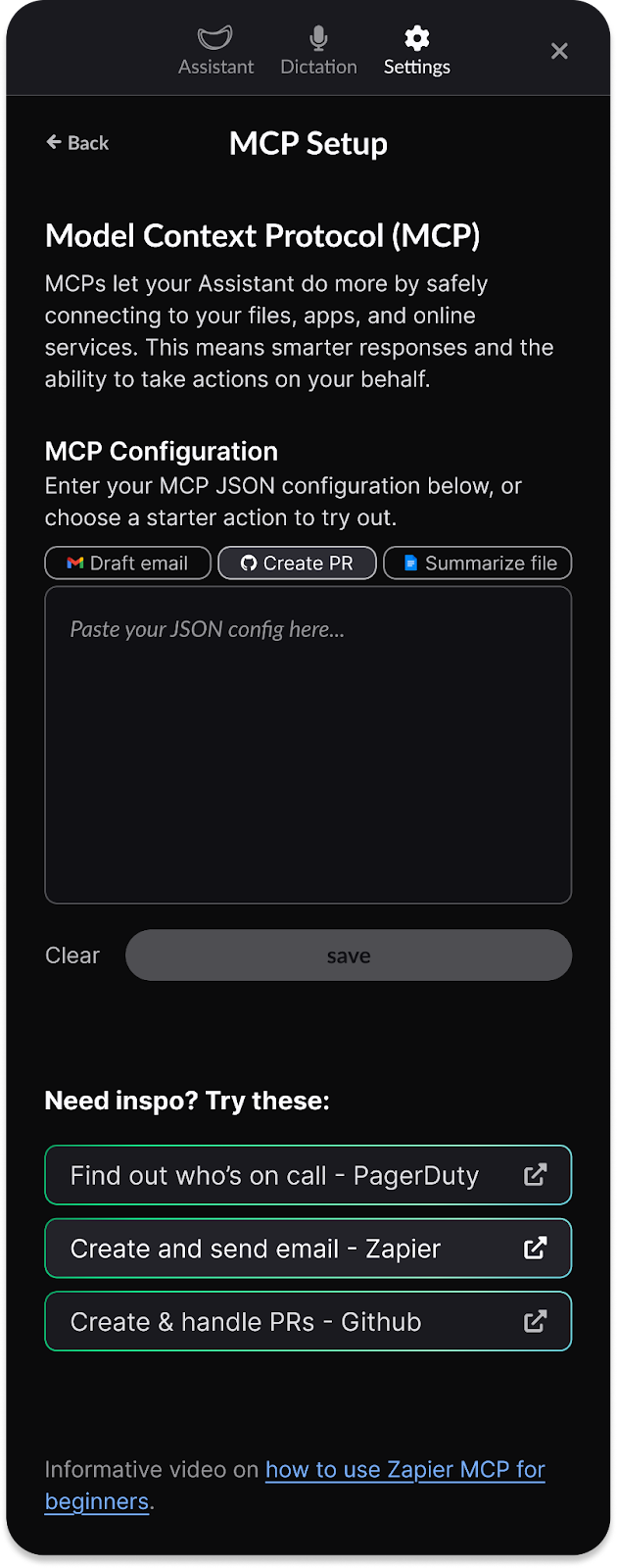
The platform integrates seamlessly with existing developer tools through MCP (Model Context Protocol) and other standard interfaces, ensuring teams can adopt Saga without disrupting their current setup.
Built on Deepgram’s speech-to-text, text-to-speech, and voice agent APIs, Saga delivers “accuracy and responsiveness required for mission-critical development workflows” according to the company.
Unlike consumer voice assistants that require rigid command structures, Saga interprets natural, conversational speech and translates it into precise technical actions.
Details here.