
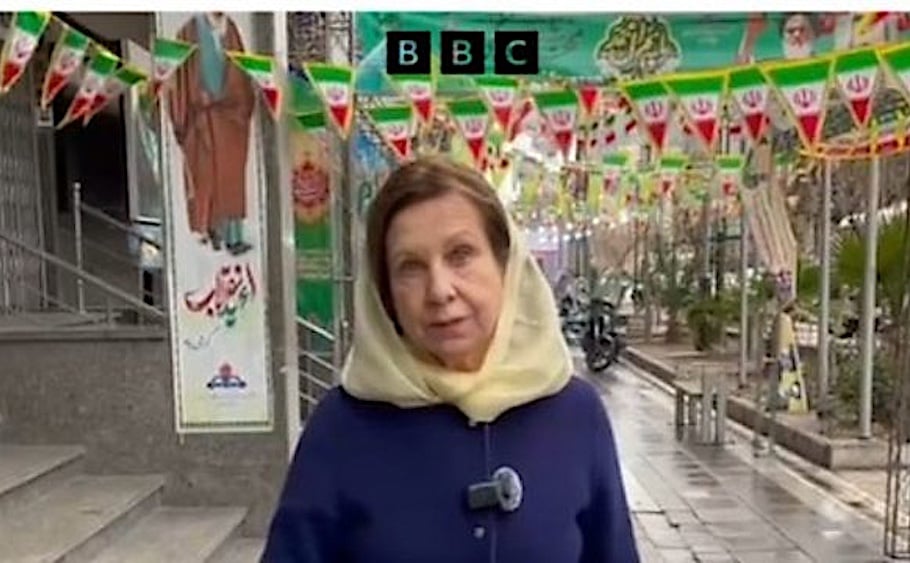
After recent internal unrest and the deadly crackdown on protesters in Iran, the BBC has once again been allowed to report from inside the country.
This week, the BBC’s chief international correspondent Lyse Doucet spoke to Iranians on the streets of Tehran to get their views on the protests and the government’s crackdown. Many were afraid to speak, but those who did gave a range of carefully worded views on the situation.
While this report was widely published on BBC World Service and the Global News Podcast, it was not heard on the Farsi service of the BBC due to restrictions by the Iranian regime.
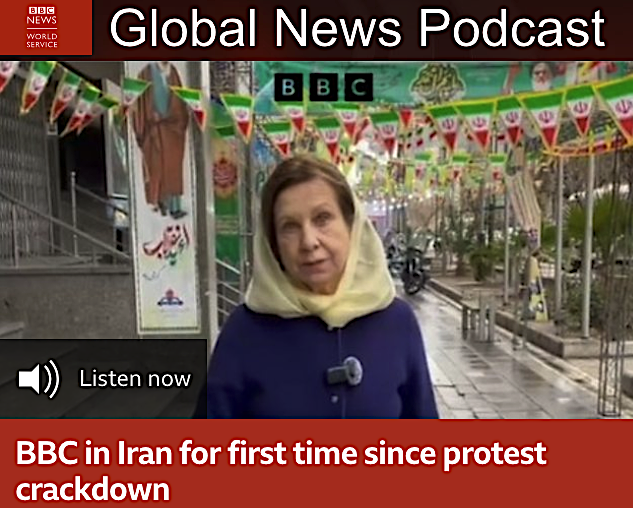
Lyse has been allowed to report in the capital Tehran on the condition that none of her material is used on the BBC’s Persian service. It is a restriction that applies not just to the BBC, but to all international media organisations operating in Iran.
The Head of BBC Persian, Amir Azimi explained to the BBC’s Outside Source program why the broadcaster had agreed to restrict its coverage.
“This is a precondition by the Iranian authorities to any [international] journalists… none of the material is going on any of the BBC Persian outlets or platforms.
“BBC Persian is the biggest Farsi speaking media organisations outside Iran, with well over 33 million users on our website, and digital platforms, and 14 million weekly viewers of our TV channel. They reach us on satellite and also online, but recently, due to the blackout on the internet, many of them found it difficult to reach us on the digital services, but we launched a new lifeline radio program for them…”
To source information and verify reports BBC Persian service reporters “heavily rely on the internet,” but when the internet was shut down for a few days, it was very difficult for reporters to get information from inside the country, but some Iranians were so keen to continue to get news out that they risked their lives to overcome the information block.
“There were people who travelled thousands of kilometres to get to the borders and get to internet and share stories and their footage with us.
“Now that the internet has been eased off a little bit we’ve received hours and hours of footage and many comments from Iranian people.”
BBC Persian staff and their families have faced regular harassment for their coverage. The Committee to Protect Journalists and BBC management expressed alarm last year at a new wave of harassment by Iranian authorities targeting the Iranian families of BBC journalists as part of a broader campaign of repression beyond the Islamic Republic’s borders.
“The Iranian government’s escalating harassment of BBC Persian journalists’ families is a deliberate attempt to silence the press,” said CPJ Regional Director Sara Qudah. “Interrogations, passport seizures, and other threats are tools of transnational repression, and a direct assault on press freedom and human dignity.”
Asked about the harassment, Amir Azimi told the OS program:
“The situation is even worse than before, more and more family members and relatives have been harassed, questioned, interrogated, prevented from travelling, and threatened, even colleagues in London, and their immediate families are being threatened.
“These conditions that Iranians introduce, like preventing the material being shared within the BBC, is actually making it more painful for colleagues to see that we are not allowed to have access to the content… We understand that informing the audience of hundreds of millions of people around the world of what is happening inside Iran is quite important, so we understand why BBC has to, whatever the situation, go into Iran and report from the ground, but that makes it also painful…
“Every time we speak to [BBC Perisian staff] we’re amazed at just how they are able to keep going… we just hope that they are okay.
“Some of us didn’t have any contact with family members for more than a week. Just messages that didn’t go through, calls that didn’t go through and endless days of waiting and painful waiting for them to call.”