
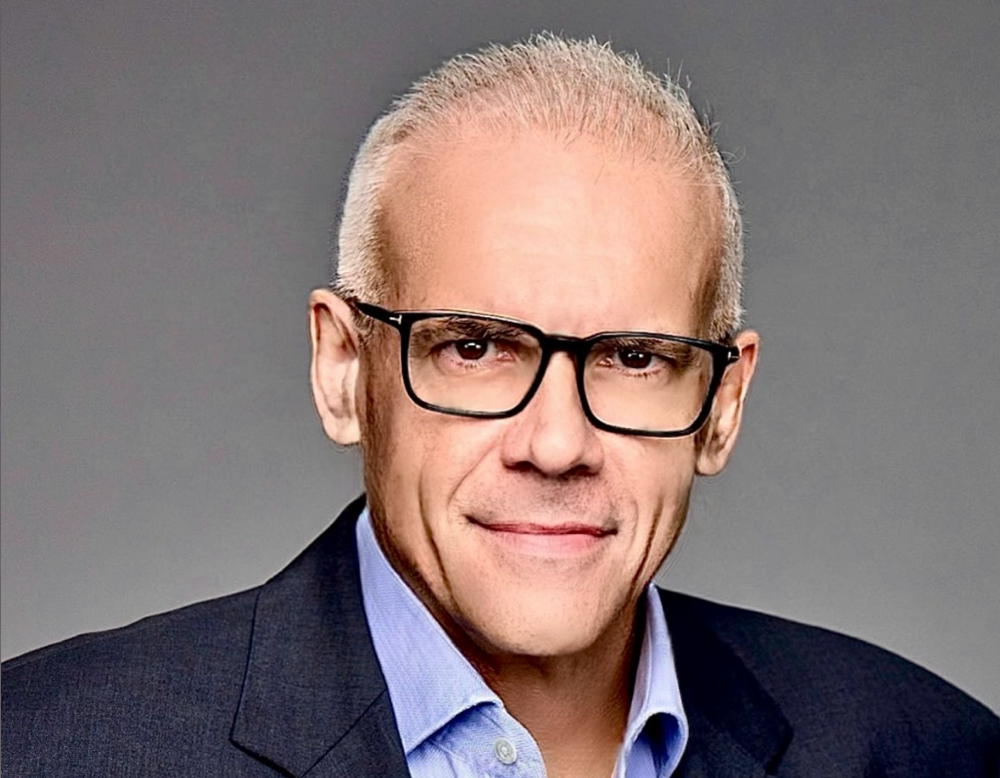
Duncan Campbell is now out of contract after leaving ARN. During his time away from the front line of finding talent, formatting shows and negotiating contracts, he has had time to reflect on some of the trends in today’s radio industry. One of them is cost-cutting.
Duncan was not personally involved with negotiating the last Kyle and Jackie O ten year contract, but he was close to most of their earlier contracts, as well as many other contracts and budget decisions during his time at ARN. Duncan’s experience has led him to the conclusion that radio’s unique strengths are being eroded. He believes that, unless the industry pivots and reinvests in talent and local content, it risks becoming just another music stream.
Radio’s enduring strength has always been the ability to connect communities in real time, reflect their unique nuances and serve as a trusted companion during commutes, during crises, or everyday moments.
Radio’s “live & local” proposition isn’t marketing hype—it’s a fundamental psychological and practical advantage. Listeners don’t just consume content; they form enduring relationships with presenters who sound like neighbours, discuss relevant issues and enable real-time interaction via phone, texts, live crosses from the streets etc. It’s called a parasocial relationship and is a one-sided emotional bond that transforms passive listening into habitual listening and it’s the other of radios great strengths.
Both the investment in personalities and shows and ‘live & local’ content have suffered in this cost cutting era. As we know, local radio fosters belonging. It amplifies voices on local issues, building loyalty that national content can’t replicate. Live & local programming enables spontaneity and interaction that pre-recorded or networked content lacks and it counters on-demand audio’s isolation. In emergencies, it’s unmatched: Australian commercial stations broadcast thousands of hours of local emergency content annually, with 58% of listeners relying on it for critical info.
I’ve witnessed firsthand how cost-cutting has reshaped the industry. Networking, syndicated national news, national competitions and voice-tracking have become default strategies to protect profits amid declining traditional ad revenue, rising digital competition, and platform fragmentation. While these moves deliver short-term financial relief or mange to slow the decline in some cases, they erode the very differentiators that sets radio apart from Spotify playlists or podcasts and the impact on the audience is primarily what in Australia we call
time spent listening (TSL) and in the UK they call hours.
In both countries, there is a clear generational divide that has widened with the commercial radio industry’s focus on cost-cutting. Younger audiences (under 40) consistently show lower TSL/hours and, in many cases, steeper long-term declines or slower growth compared to older listeners (over 40). This pattern correlates strongly with the erosion of localism as homogenised national content feels less relevant, useful, or companion-like to digitally native younger listeners who have abundant on-demand alternatives.
Overall, cost-cutting buys time, but slowly reduces the medium’s unique value proposition. If networking and nationalisation persist unchecked, radio risks a slow decline into irrelevance as a distinctive medium— morphing into just another audio stream (some would argue that we are already there) which would accelerate audience fragmentation. While cume (reach in the UK) may hold via habit or digital (e.g., apps and smart speakers), time spent listening (hours in the UK ) and loyalty erodes, especially with the under-45s who favour on-demand.
The industry could pivot though, but does it want to or understand the need to?
I’m reminded of a story I heard when I attended one of the NAB conferences in the states back in the 90’s and it’s the story of a new management team who were presenting their next year’s budget to the owner of a cluster of stations and they were very pleased with what they had prepared which showed reduced head count and a healthy profit increase. The owner was a veteran of the industry and understood the medium and what powers its success. After reviewing the budget he called the team into his office and told them he was rejecting their budget. They thought they had cut enough out of costs and headcount, but the owner surprised them all when he told them they had cut too much and said, “You can’t save yourself into prosperity in the long run.”
I’ve talked about the magic of the medium and the deep connection the audience has with their favourite personalities. The concept of a parasocial relationship was formalised in 1956 by sociologists Horton and Wohl, observing how TV and radio personalities created “para- social” interactions that mimicked real friendships. Listeners or viewers experience the persona as a regular, dependable presence in their daily routine—addressing them directly, sharing ‘personal’ anecdotes, reacting to local events, or offering opinions that feel tailored. There are key psychological drivers which I won’t delve into here but in radio specifically, the medium’s intimacy—voice in the car, at work, or during commutes—amplifies these effects compared to TV. Studies on radio listeners show parasocial ties influence consumer behaviours, so why then does the industry continue to march down the networked path and continue to erode the reasons why people have traditionally loved radio?
Is it simply short-term thinking, the need to deliver all important profit growth, is it a lack of understanding about the medium itself from a content perspective, or is it all of the above?
Go back 20-30 years and there were experienced radio people who understood the nuances of the medium, woven through the top levels of radio companies and networks. The corporatisation of the industry has bought with it executives appointed by the board for their business acumen not their decades worth of success and experience in the radio industry. Many don’t know what they don’t know.
The self-fulfilling prophecy of decline will increase without investment in personalities: generic content starves parasocial formation, accelerating disengagement as listeners migrate to podcasts or streamers, where hosts deliberately cultivate the intimacy they crave and once received from their local personalities who they loved. Conversely, strategic investment—hybrid local/national talent windows, data-driven personalisation of shows, nurturing emerging voices—would help reverse it. More on that in a future article.
Podcast parallels show that voice-dominant formats strengthen closeness, driving loyalty. So, as we look into the future and as audio fragments, parasocial dynamics will determine who wins. Radio must play to its unique strengths with investment in authentic, locally attuned content and personalities. This will sustain TSL/hours, revenue diversification, and relevance and prevent radio from becoming just another music stream. Those treating on-air personalities as interchangeable costs ignore the value they add and don’t understand that they are one of medium’s great strengths.
In my experience, the most profitable stations were those where listeners felt the on-air team ‘knew’ their world and cared—the magic that no playlist can match. Ultimately, parasocial relationships are radio’s human firewall: one-sided yet profoundly reciprocal in value. Nurturing them through talent investment isn’t a luxury—it’s the pathway to enduring listener connection.
Cost cutting might deliver the quarterly profits expected by the board, but it ultimately loses the war—listeners disengage when radio stops sounding like their station. The industry needs to find solutions that deliver profits and authentic localism, ensuring commercial radio remains the irreplaceable live companion that people love to listen to, rather than just background noise. If the industry continues to dilute radio’s great strengths, then it risks the erosion we’re already seeing, which is ironically what they’re trying to avoid.
About the Author
Duncan Campbell was Chief Content Officer at ARN Australia for 15 years. Before that he worked all around the world in senior programming roles at companies including Austereo, Bauer Media, GCap and GWR.
Duncan has also consulted to many radio companies through his previous research work for BPR and in his current company, CD Media.
Read more of Duncan’s articles here.
Related reports:
Duncan Campbell: “I wouldn’t have networked Kyle & Jackie O into Melbourne”
Duncan Campbell: “I knew within the first 10 minutes K & J wouldn’t work in Melbourne”