
Content by Anthony Dockrill
The story that broke this week about Sky News having a guest on air who went on a tirade about Islam, and wore bacon to protect himself from terrorists, is the kind of story anyone who works in the media must shudder at when they read.
Putting aside my own views on Sky News after dark programming editorial decisions, it’s a reminder of how things can go south very quickly. Especially in many of our newsrooms where cost cutting and a lack of training and mentoring are the new norm.
The guest in question was chosen by the program, which had a single producer working, and the person in charge of overseeing guest invites on all programs was away. The perfect storm. Yes, it was trying to be provocative and its overall aims are ones I have no time for, but no one working in radio could not see a version of this happening where they work.
There are two lessons for the radio industry in this story (well three; don’t reach out to trolls full stop).
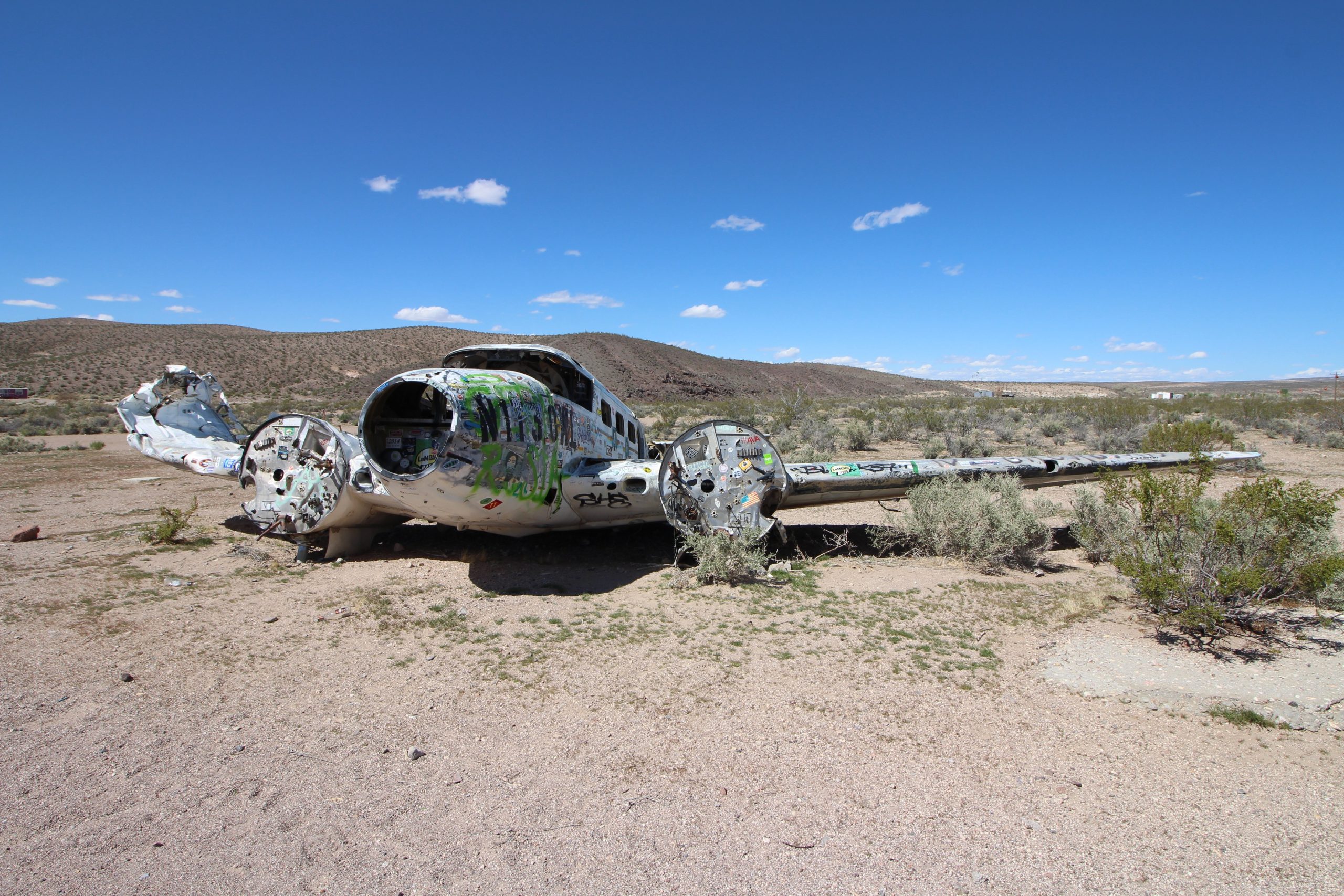
The first is structure matters. Editorial policies and structure are not just a check box. Every program is a series of decisions, some mundane and some profound, but it’s not always clear in the fog of putting a show together which is the latter. If you ever watch the TV show Air Crash Investigation, you will know this: the vast majority of plane crashes are a series of small, often unrelated errors and decisions that lead to an inescapable problem. We would all like to think it’s just one big obvious thing so we, being cleverer than everyone, can avoid it. The reason why this is a profound but also disturbing idea is that all of us could find ourselves in an editorial situation where we don’t want to be. So if your organisation is starting to cut editorial corners or you see someone doing that in their job, now is the time to stop it and not after the proverbial hits the fan.
Something as simple as a pre-interview could have saved Sky, assuming the producer was equipped to see the red flags. Did it happen and were they empowered (paid enough hours) to have one?
Also, one needs to look at: Are decisions being sent up the editorial chain? Does the chain work smoothly and efficiently, or are producers sending stuff up and it disappears?
The second lesson is we all have blind spots. A program with a host and single producer working in news and opinion seems like a problem waiting to happen. Add in the editorial bent of the programme and the question I have is: why doesn’t this happen more often?
Working previously at 2SER, which specialised in training young journalists, one process I was aware needed to take place for all new journalists was being able to moderate their own views. Radio is a complicated dance of humans, format and editorial policies. You want and need the human part, but it needs to be focussed and yes, controlled. This process of recognising and moderating your own views within the structure of a radio programme’s overall aims is a process that never ends.
Add in, I think, one quality that has complicated the practice of journalism and producing: the nature of online conversations has meant we have a generation of media professionals that are exposed to a more coarse and direct form of speech. Trolling, shit-posting and living in silos are part of many of these people’s everyday lives. So given the nature of their online lives, they might not connect with the idea that an influencer who has made their name living on the ragged edge is not a good guest for broadcasting.
What ties the two lessons together is that one needs a well-resourced newsroom and production rooms, but more importantly they need to be diverse. When I say diverse, I mean it in all senses of the word. Our newsrooms are, as a rule, incredibly white. They are also crushingly middle class. This lack of experience can mean poor decisions are not only possible but inevitable. The other problem I see now is media organisations are getting siloed by age. One newsroom might be lacking in young voices while another may be lacking some old hands to steady the ship. A well-structured, diverse newsroom can greatly reduce poor decisions from happening.
When an editorial crash happens like it did this week, management will fly in and review the “black box” to ascertain what actually happened. I would argue, unlike Air Crash Investigation, when management says “pilot error” more often than not they are referring to themselves.
 Anthony Dockrill is a Digital Producer at Pod Jam and the former Program Director of 2SER FM Sydney.
Economically and technically, the days of commercial broadcasters brimming with editorial staff are long gone.
While digital continues to eat away at traditional media's share of advertising revenue, bureaucratic structures and diversity quotas won't be anywhere near the top of the Board's to-do list.
The reality of digital technology is one person can now do the work of many.
In this climate of intense media competition and political sensitivity, it's never been more important for broadcasters to ensure they attract committed professionals.
That means paying editorial staff a wage that recognises unique skillsets and the higher level of public responsibility baked into these positions.