
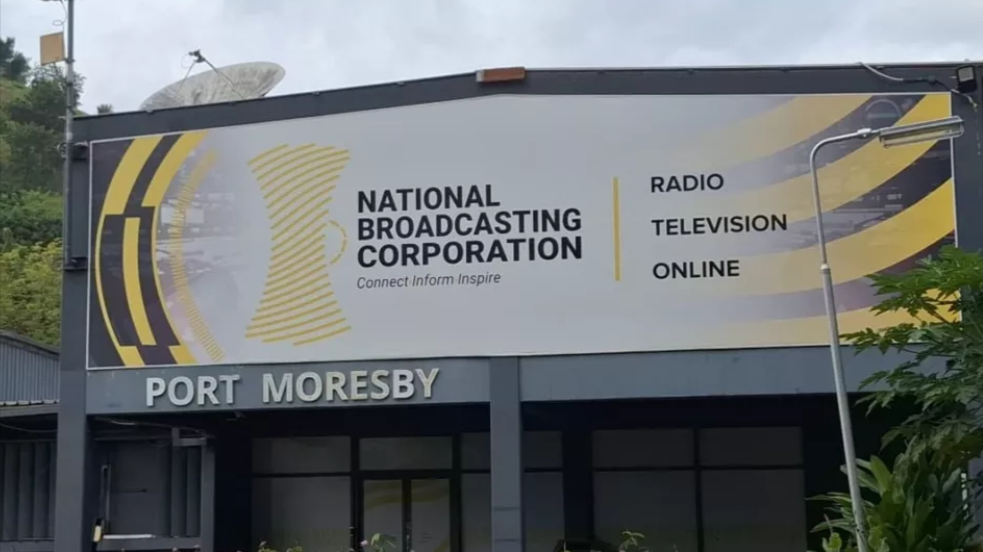
Papua New Guinea’s National Broadcasting Corporation (NBC) is aiming to reintroduce shortwave radio to achieve the government’s goal of 100 percent broadcast coverage by 2030.
Last week, NBC hosted its first workshop on the reintroduction of shortwave radio transmission, bringing together key stakeholders to gather their input and explore collaborative efforts toward this goal.
Stakeholders from the Department of ICT, NICTA, DataCo PNG, and other relevant agencies attended the workshop and shared their views.
NBC Managing Director Kora Nou, in his opening address, thanked stakeholders for their participation in what he described as a critical initiative. He emphasized that the proposed reintroduction of shortwave radio can only be achieved through a collaborative effort.
“This initiative is important for NBC because it ensures that remote and rural communities across the country have access to timely news and information,” he said.
The workshop marks a key step in revitalizing a platform that once served as a vital communication link for Papua New Guinea’s most isolated regions.
“We requested your presence here today at least, and hopefully we can contact you in the coming days as well to get some more in-depth feedback on what individual agencies of government and the private sector especially your take on the proposed reintroduction of the radio system,” Nou said.
NBC’s Executive Director-Engineering, Seloka Lewangu, further explained the importance of shortwave, while making a comparison with Frequency Modulation [FM], Shortwave, and Mediumwave transmission.
“FM is line of sight. If you see the tower, you receive the signal. If you don’t see the tower, you don’t receive the signal.
“Medium Wave has a wider coverage compared to FM. Coverage for FM is more for cities and towns.
“When you talk about medium wave, you talk regional now.
“When you talk shortwave, you talk countrywide. That’s why we are talking. If shortwave can do it for us, with all our rugged mountains and scattered islands,” Lewangu said.
This transition is timely and important for wider coverage, as it will enable broader and more reliable broadcast reach across the country’s rugged terrain.
NBC also believes this shift will reduce dependency on costly hardware, making maintenance and upgrades easier while ensuring improved emergency communication and public awareness.
It will also enhance access to news, education, and cultural content in remote communities.
Meanwhile, the NBC management will now compile stakeholders’ views and submit them to the board.
If approved, it will become a policy directive, and NBC will proceed to implement the project nationwide.