
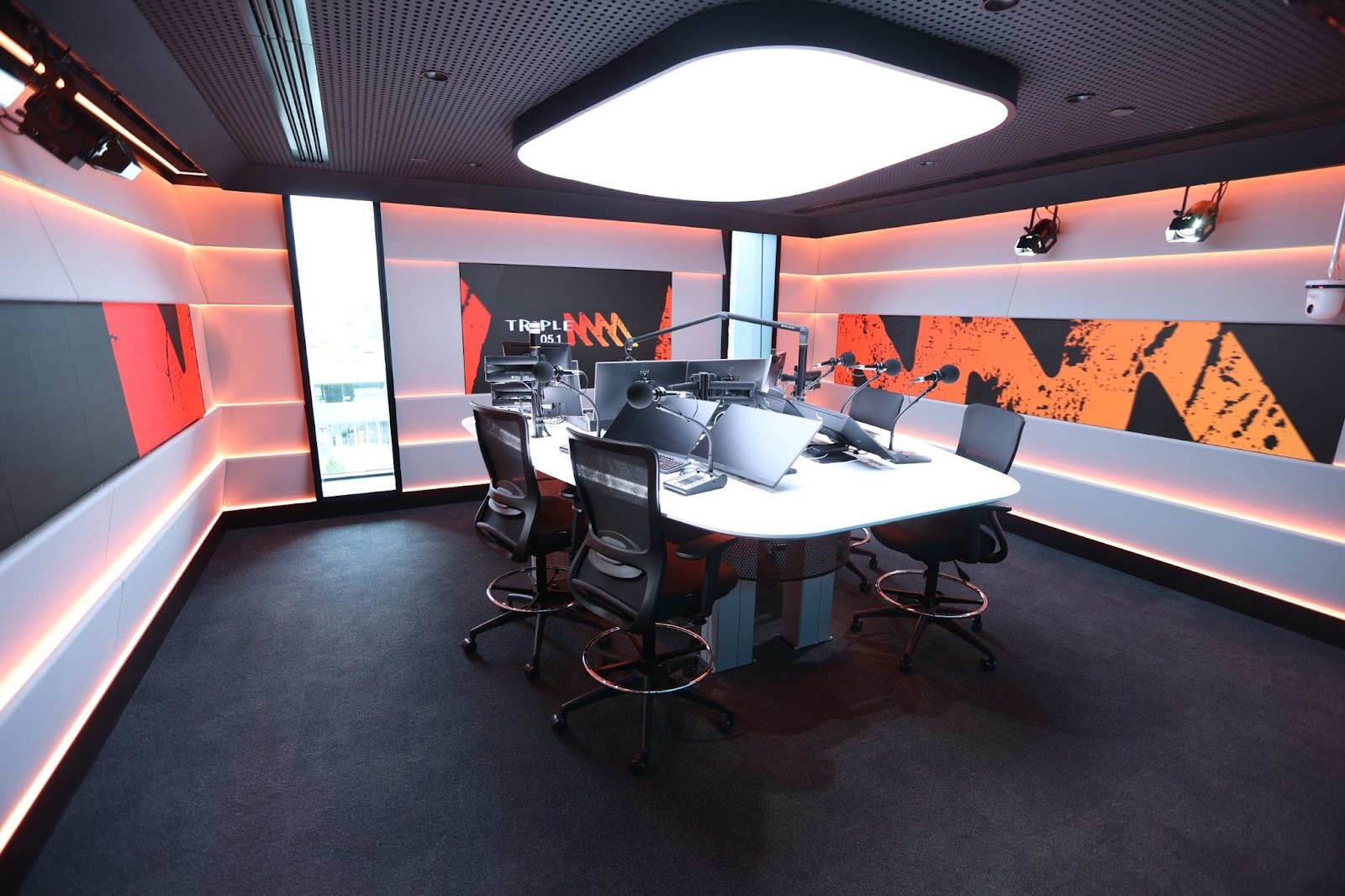
I became aware today that at least one of the Triple M Pilot Week shows, which are to air next week, is already in the can.
In sharing this I don’t want to diminish what is still an incredible opportunity for new talent to be heard across Australia, but I had assumed that the shows each morning would be live, with the additional adrenaline, listener interaction and risk of mistakes that come with that. That is still radio’s point of difference from podcasting and the reason why talk formats flourish.
I recently read a LinkedIn post from a playground designer called Lukas Ritson which I’ve shared below:
A playground designer from Scotland just told me something that will change how you think about playground safety.
After working with schools across the UK installing natural playgrounds full of logs, mounds, balance beams and “trip hazards,” Learning Through Landscapes compared the accident books.
Everyone expected accidents to go up.
They didn’t. They went down.
Matt Robinson told me:
“We had more minor scuffs and scrapes, but serious accidents dropped because children slowed down and learned physical literacy.”
Think about that.
We design flat, boring spaces because we think they’re safer. Yet when children have nothing to engage with, they run faster, take bigger risks and hurt themselves more.
Instead, when they installed the “dangerous” natural elements, something unexpected happened:
Children slowed down. They navigated carefully. They developed physical skills.
Then Matt made a point that stayed with me:
“If flat mown grass was the goal, we should have just designed flat mown grass.”
But that’s not the goal.
The goal is children who are capable, confident and physically literate. Children who know how to assess risk, not avoid it.
When we design spaces that look safe on paper, we rob children of the very experiences that actually make them safer.
Safety isn’t about removing all challenge. It is about giving children the chance to learn how to navigate it.
What would change in your playground if you stopped designing for flat mown grass?
In a real conversation, when uncomfortable questions are posed or two people have opposing views, there usually is some sort of pause as we intellectually assess risk and navigate our response carefully. Yet we are increasingly seeing in the provocateurs in society what is also articulated about the playgrounds above:
People who have nothing to engage with, so they speak harder and faster, take bigger risks and hurt themselves, and others, more.
The Pilot Week shows will experience radio, but not the live version. What goes to air will be the ‘flat mown grass’ edition. Some of the presenters, like Paddy and Maz who already host breakfast on the Central Coast, know the difference. For the others, and I believe this completely, the live experience, the utter thrill of your words being heard and responded to in real time, is what makes a person choose radio as a future career.
Jen Seyderhelm is a writer, editor and podcaster for Radioinfo. Email: [email protected]