
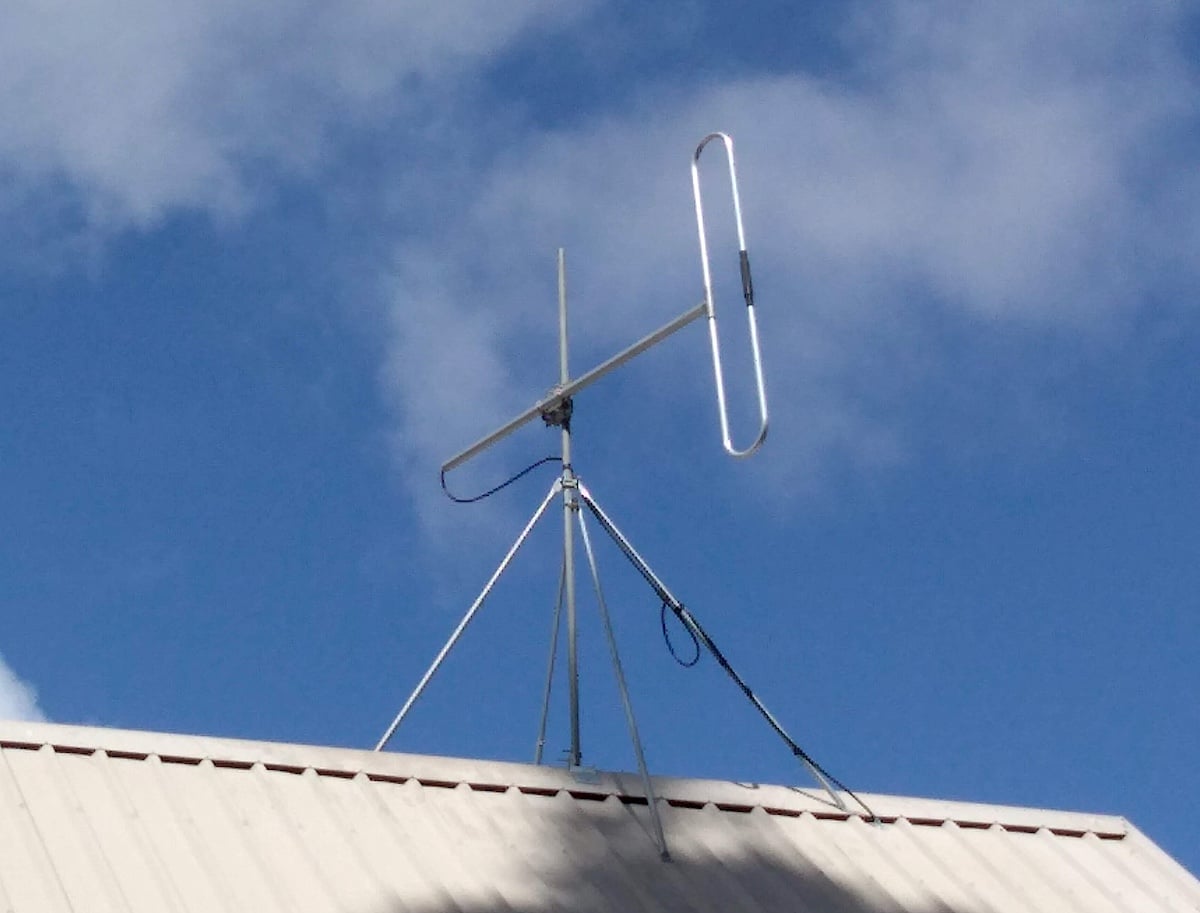
Contribution by Philip Smith
When ACMA Comes Calling
Every LPON operator knows that feeling when an email from the ACMA (The Australian Communications and Media Authority) lands in the inbox. Recently, one of those letters arrived for me, outlining the results of the 2023–24 Low Power Open Narrowcasting (LPON) Compliance Audit.
Two of the 18 LPON licences I held at the time were flagged as “at risk of non-compliance.” According to ACMA, I hadn’t established services after the licences were issued — a potential breach of the “use it or lose it” and reasonable regularity requirements under section 4.11(1) of the Radiocommunications Licence Conditions (Broadcasting Licence) Determination 2015.
Then came the familiar line: “Show cause as to why the ACMA should not take escalated compliance action, which may include licence cancellation…”
A Compliance Letter Sent to the Wrong Person
Both licences had been sold months earlier — in June 2024, long before ACMA’s letter arrived. Of the 18 Western Australian LPONs I owned during the audit period, only three remain in my name today, and those are also heading to auction soon.
Had ACMA checked the Register of Radiocommunications Licences (RRL), they would have seen the transfers instantly.
Two minutes of database checking would have saved them the trouble of drafting a compliance threat, and saved me the time of responding to an issue that wasn’t mine anymore.
The Question Everyone Asks
Radio people being radio people, I know the next question: Were the licences actually active at the time ACMA first asked? Out of respect for the new owners, I’ll leave that one alone. But the situation does raise a bigger point: how ACMA conducts LPON audits, what they’re finding, and how this compares with other attempts to map LPON activity.
Before ACMA’s Audit, There Was Mine
Back in 2005, while completing my Masters at Griffith University, I conducted my own LPON survey — a detailed look at every LPON licensee within a 160 km radius of a set of coordinates near the university.
To do this, I commissioned an Adjacent Service Listing (ASL) from ACMA. They provided a printout and a digital file, which I loaded into a spreadsheet. That list became the backbone of my research.
Today, anyone can generate a similar list for free using the online RRL by selecting the LPON frequency range (87.5–88.1 MHz) and entering a radius. Exporting it still requires the offline tools, but the process is far easier than it was in 2005.
When I recently re-ran the same coordinates, I discovered many more additional LPONs in that same territory — many of which I either applied for myself or helped others obtain between 2006 and 2011.
How ACMA Audits LPONs Today
ACMA’s current audit process has three parts: desktop audits, field audits, and compliance checks. Here’s how they work — and how they compare with what I found in my own research.
1. Desktop Audits
ACMA starts by requesting logbooks, recordings, evidence of service commencement, and information about the nature of the service.
In my 2005 project, the only reliable “desktop” information came from whatever a licensee published online. A website with a program guide was evidence of activity. A stream was even better — though it still needed a field check to confirm the LPON transmitter was actually carrying the same audio.
2. Field Audits
ACMA’s field audits involve checking whether a transmitter exists at the licensed location, whether it’s operating, and whether it’s within power limits.
My own fieldwork was simpler: two FM receivers (one in the car, one handheld) and a lot of driving. If there was no antenna at the listed address and no signal on the licensed frequency, I concluded the service wasn’t operating.
3. Compliance Checks
ACMA checks signal strength, interference protection, separation distances, power limits, record-keeping, and UIOLI requirements.
In my research, the most striking pattern was how many networks were “parking” licences — keeping them inactive while running a single, centrally located transmitter at higher power to cover the surrounding area.
What ACMA’s Audit Says About LPONs in 2024
ACMA’s recent audits show that many of the same issues I found in 2005 are still present: inactive licences, inconsistent activation, clustering, patchy record-keeping, and difficulty enforcing UIOLI rules.
LPONs remain a unique corner of the broadcasting landscape — part hobbyist, part commercial, part speculative.
Where This Leaves the LPON Sector
LPONs have always been a mix of passion, experimentation, and occasional chaos. ACMA’s audits are a step toward bringing more structure to the sector, but they also highlight how difficult it is to regulate a service class designed to be low-power, low-cost, and highly variable.
For me, the recent compliance letter was more amusing than alarming. But it does raise a fair question for the industry: if the regulator wants LPONs to lift their game, perhaps it’s time for ACMA to lift its own.
Key Findings from ACMA’s LPON Audit
1. Many LPONs Are Still Inactive — ACMA’s national audit confirmed that a significant number of LPON licences remain unestablished or only intermittently active.
2. “Use It or Lose It” Remains Hard to Police — Without a 24/7 requirement, enforcement remains inconsistent.
3. Clustering Is Widespread — One transmitter running ‘hot’ often covers the footprint of several inactive licences.
4. Record-Keeping Varies Wildly — Some operators keep detailed logs; others provide almost nothing.
5. Technical Compliance Is Mixed — Field audits revealed issues with placement, power, and coverage.
6. Ownership Changes Complicate Enforcement — Frequent transfers make it hard for ACMA to keep records current.
7. Growth Doesn’t Equal Activity — More LPON licences exist today, but not all translate into real broadcasting.
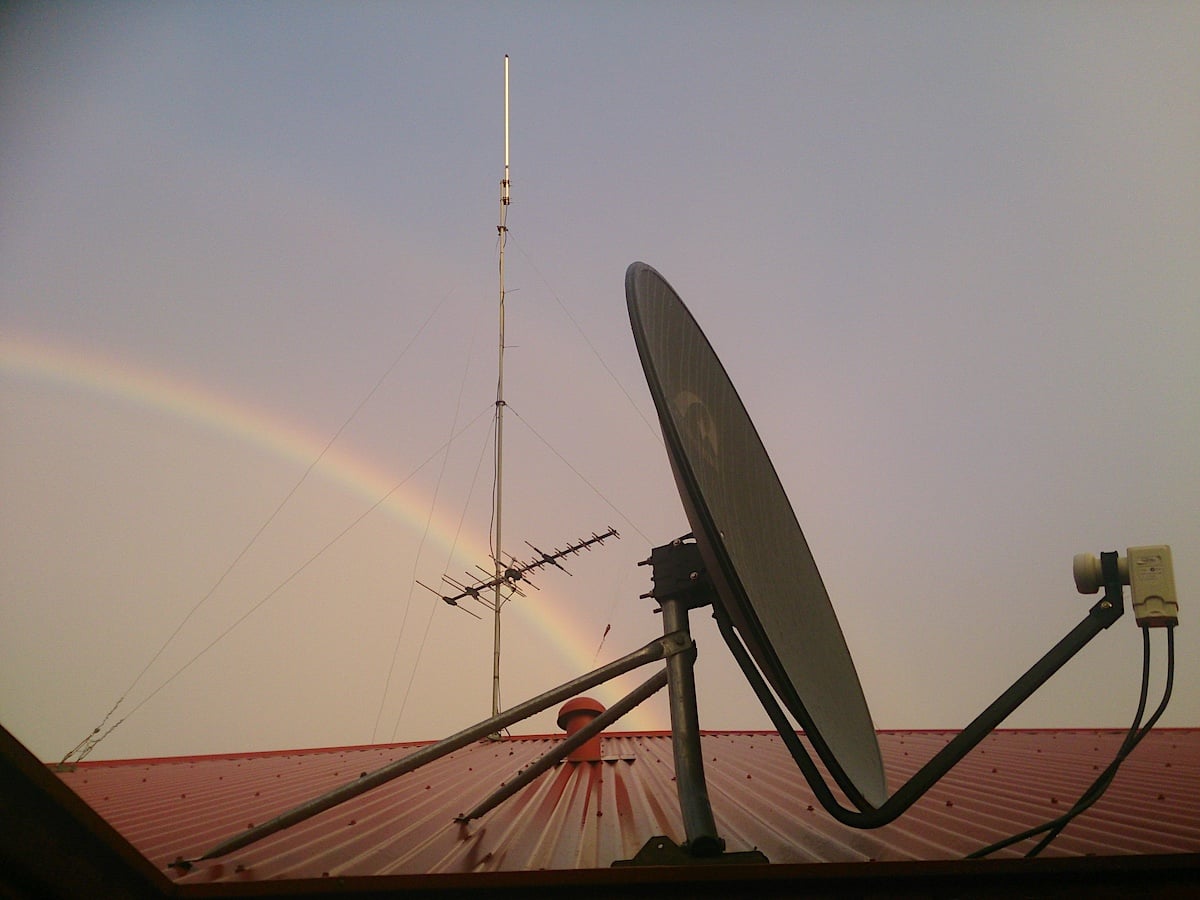
Philip Smith is a freelance radio consultant and operates the Shock Wave narrowcast radio network. Over the years he has bought and sold narrowcast stations and has been involved with narrowcast policy issues.
Images: Supplied
Nice article. I would have not been so polite... We definitely have a regulator that needs to find a spine. Way too many things they look after have become former versions of themselves. Several things you needed to be qualified for (and hold a valid license for) have gone by the wayside. It's not just LPON's.