
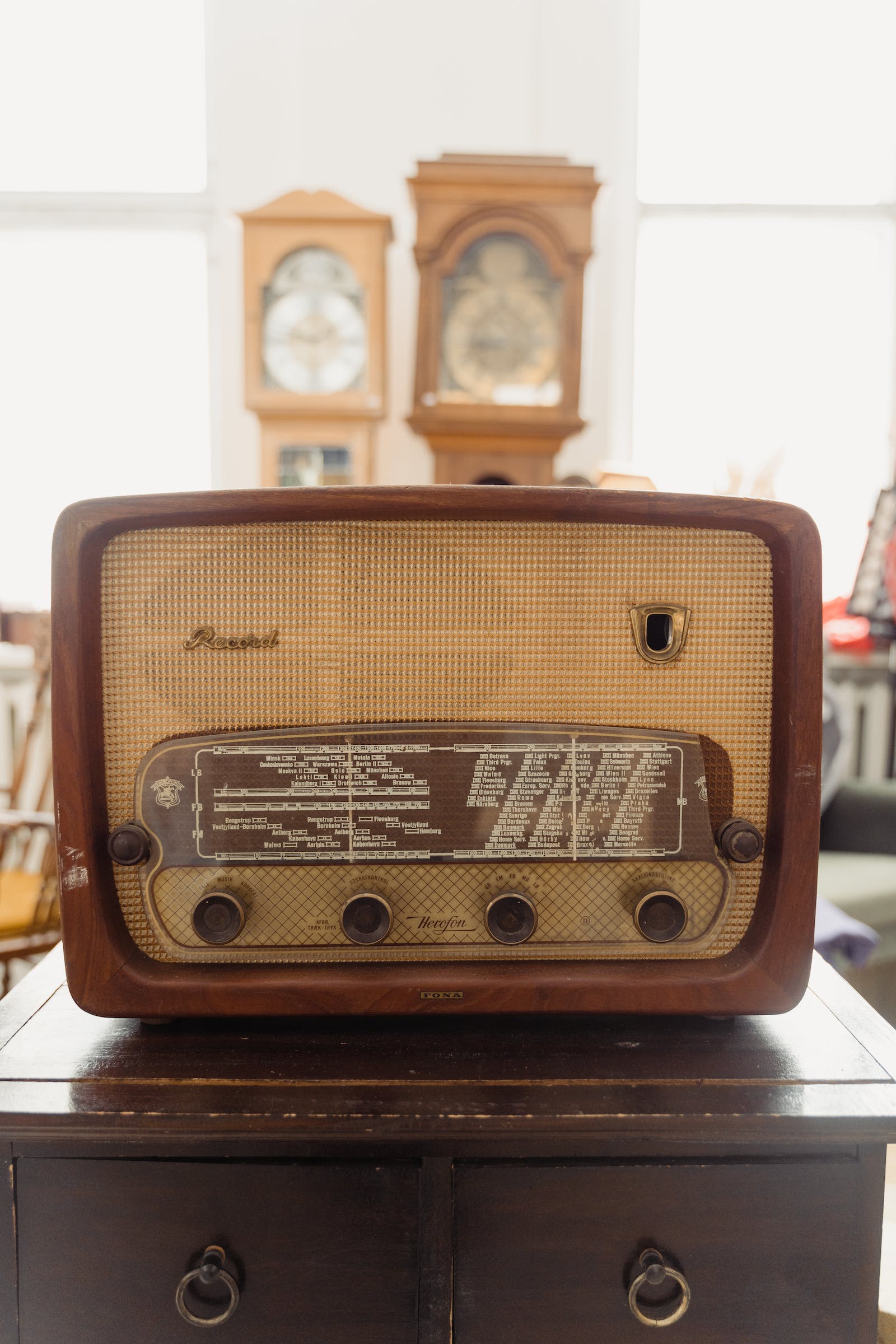
An 11-page report released last week, commissioned by and for New Zealand public broadcaster RNZ had some damning statistics. National weekly cumulative listenership has fallen by more than six percent each year since 2021. But worse than that according to a follow up from Chris Lynch was the feedback from staff who said the network was “a patchwork quilt of various shades of taupe”, “boring” and radio itself a dying media.
Ahead of the release this morning of Commercial Radio and Audio (CRA)‘s new brand campaign The Power of Audio, and an associated chat with advertising agency head and behavioural psychologist Adam Ferrier, I was feeling quite the opposite. However the missing link in this for me is the responsibility those of us who work within or are actively engaging with the audio industry, be it radio, digital or podcasts, to blow the heck out of our trumpets and combine to form an orchestra. We literally need to talk it up.
RNZ senior editor and media advisor Richard Sutherland said three core principles are needed to address the decline. They are:
Defining the audience
Lifting on-air quality, and
Holding people to account.
Trying to target the first seems to have been one of the issues for RNZ in the first place, for staff and listeners. Holding people to account sounds vaguely threatening, but it important to us as broadcasters in how we are speaking, and what meaning and value our words have. The middle one, lifting on-air quality, is more than anything, a key to people buying back into radio.
Firstly, someone is always listening.
Even some of the most experienced announcers I hear, now that they are using platforms like YouTube to offer visual content to their audiences, are forgetting broadcasting 101. They are doing visual demonstrations and excluding listeners from joining who come in half way through who they are speaking to, or what they are trying to achieve.
Not long ago I was prepping ahead of an interview with Perth Mix 94.5 breakfast presenter Kymba Cahill when I did come in half way through a powerful chat with CEO of zero2hero, Ashlee Harrison. Twice during the latter half Kymba circled back naturally to mention Ashlee’s name and role. Zero2hero seeks to educate, engage and empower young people to become mental health leaders and help prevent suicide in WA. This mindfulness of listeners, and respect for guests matters to Kymba immensely. I actually went down a Google rabbit hole afterwards finding out more about Ashlee.
When talking with Christian O’Connell he too did something that is part of his professional practice. Whenever he speaks of his family it is ‘Sarah, my wife’ or ‘Lois, my daughter’. He assumes someone listening is being introduced to them for the first time and, as a result, prefaces their names every time. It is, as he puts it, an invitation to join him around the fire.
Finally, while listening to an on air trio recently for a story one said, ‘you need a haircut’ but I didn’t know which of the others they were referring to, or why.
I challenged my students when they got up to do a ‘TED talk’ in a voiceover class the other weekend to embrace these principles to their visual audience. The resulting descriptions of actions and stories added unexpected value. Even there, you never know when someone is simply listening while making notes or via a catch up video on in the background while they do tasks around the house.
Many audio presenters are immense presences on the radio and podcast stage without any professional on-air training. Their point of difference is that they are everyday people with a unique voice to a topic. But other hiccups can come as a result. One was a podcast pair who had an external producer editing their work. Because of a mindset that someone else was doing the heavy lifting of the final audio product a string of really offensive language was accidentally left in. For my mind, this is the responsibility of the broadcaster to ensure that any behind the scenes conversation is never part of their ‘work’ recordings under any circumstances. This again could have been mitigated by both holding themselves to account and training offered to lift the on-air quality.
What are you bringing to the audio table?
Many do feel tied to a way of being on air that may not quite fit their sense of who they are, or the audience. But we are all there ultimately because we love it; the intimacy of a shared conversation, the connection through a topic that resonates, the laughs, and tears. The power that the spoken word has to change values, minds, attitudes, election results, legal cases and even history is undiminished.
CRA’s campaign is about audio not being a side dish, the dinner roll that sits there while you enjoy the three course meal. We have the capacity to change that view, not only for our audience but within ourselves, and make radio the highlight on the menu.
Jen Seyderhelm is a writer, editor and podcaster for Radioinfo. Email: [email protected]