
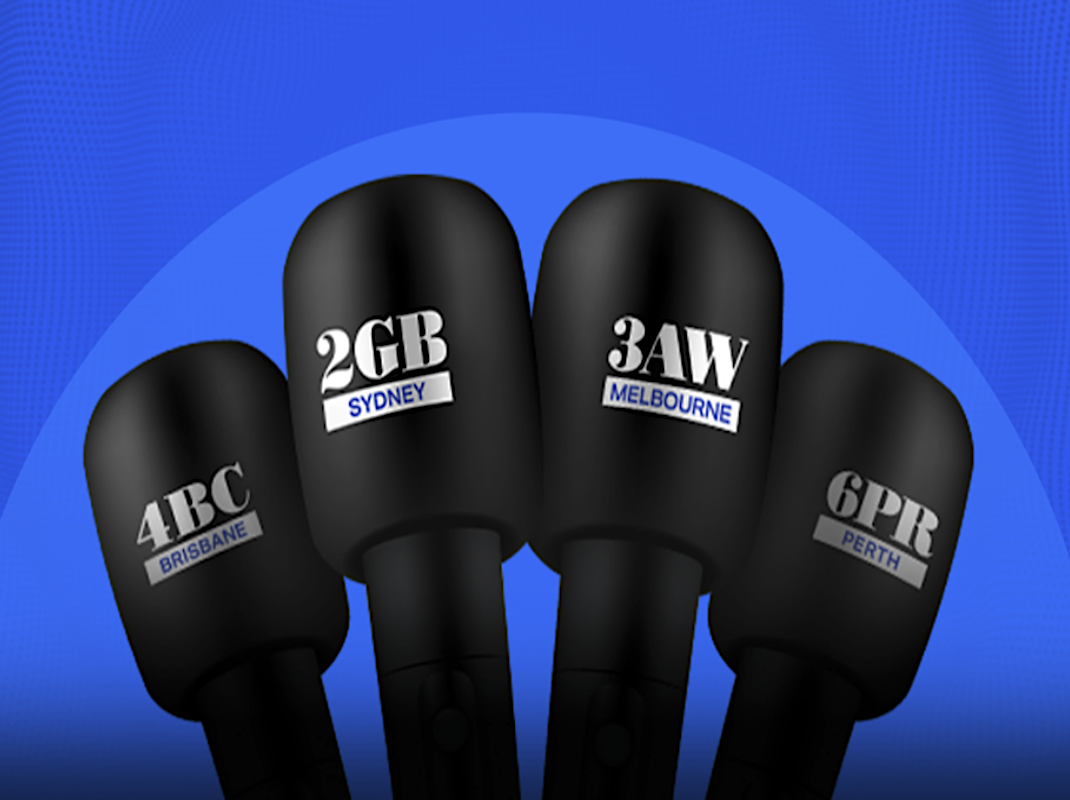
One or more of Nine Radio’s suitors has been leaking details from the information provided to them as part of the bidding process to buy the network. The Australian ran an article this week quoting unnamed sources who appear to have access to some or all of the commercial in confidence documents.
But what’s an NDA worth these days.
In September last year Nine Entertainment announced a strategic review of its audio assets after various parties began exploring if they could buy the company’s radio stations. “We have received a number of unsolicited approaches from various parties about some assets within our audio business in recent times,” a Nine spokesperson told radioinfo at the time.
That process led to bids from various parties including John Singleton, Australian Digital Holdings and some others such as SEN and GTN.
According to the article by Steve Jackson, in The Australian, the bidders were “shocked” that the “networks’ financial position” was about half of the $9.1 million listed in the last annual report. The article suggests that the cost of “backroom operations” eroded the Nine Radio Division’s profit margin.
An examination of Nine Entertainment’s most recent annual report shows that if Radio was not part of a big corporation it might be better off, not worse off.
Nine’s Radio Division contributes a share of its earnings to the company’s corporate operational costs. Examining those costs in the 2025 Annual Report shows many corporate overheads including legal and regulatory costs, listed company reporting requirements, HR costs, controlled entities, borrowings, restructuring costs, impairments would not need to be paid if the radio stations were not part of a big listed company. Presumably this would be good for a buyer, not bad.
The article also lists “exorbitant” salary costs as a criticism, but it is on the public record that the radio division has reduced staff costs with the departure of Neil Mitchell, Ray Hadley and others. The annual report does not list individual presenter salaries, but the millions of dollars saved with the retirement of just those two stars reduced the salary overheads division substantially. Nine’s television division does pay additional salary top ups to current radio stars for tv appearances. The executive salary numbers quoted in the report do not align with the salary levels that radioinfo is aware of, probably some of them are sales executive salaries with commissions. The annual report shows that the division’s cost base is now lower than it was six years ago when Nine bought the stations.
So if costs are lower, then revenue must be the problem for the radio stations.
Whenever a big company takes over a small one there is always talk of “synergies,” but over time those synergies do not always materialise.
The Nine Entertainment annual report details how radio division revenue fell when radio sales were ‘synergised’ into the wider company corporate sales structure. Selling Radio is not the same as selling television or newspapers and the departure of dedicated radio sales teams appears to have hit Radio’s bottom line, according to numbers in the annual reports since the acquisition of the radio stations. Moves in the early part of 2025 to fix that problem resulted in the hiring of Brian Gallagher and other changes that have brought radio expertise back to the Nine Entertainment sales area after much of the direct sales experience was lost. Direct sales is more important for talk radio station revenue than it is for tv or newspapers.
If the Nine Radio stations are split out with a singular focus on radio sales, there may be the opportunity to grow radio revenue further.
It is expected that a final decision will be made on a buyer by next month, with several parties still actively in play. The leaks in The Australian article appear to be aimed at driving the price down.
The Australian is a competitor to Nine Entertainment in the newspaper publishing sector.
Reporting and Analysis: Steve Ahern, publisher of this audio industry trade journal.
Like any business takeover, typical scenarios are:
* Buy the business as a going concern, expect the same outcome.
* Buy the business as a going concern, either cut costs, or add value by leveraging the business or a combination of both.
Adding value could be building a new audience by changing the program format and expanding news output.
Leveraging the business may mean to expand into podcasting with content related and unrelated to programs. Similar to Nova's podcasts at https://www.youtube.com/channel/UCi3H6Lf-Q_WskAME26pHWSg.
Adding value could mean hiring on air personalities for compelling listening.
But many personalities currently on 2GB do make for compelling listening. What may let the station down is the direction of the narrative directed by the top management.
That was the perception when many top rating personalities left the station starting from late 2019.
Yet the highest rating program on 2GB is evenings with John Stanley who commands at least 20%+ audience share according to GfK.
So the party taking over the talk radio network must not fix what is not broken.
The situation for 2GB is very similar to when it was in the doldrums in the 1990s though today's situation it is the market leader.
What lifted 2GB was when it was taken over in the late 90s by John Singleton.
Programming was revitalised and the news service was restored with a fully operating news room.
The party interested in revitalising the radio network will have to assess whether advertisers are prepared to advertise on a revitalised talk radio network and whether the advertising revenue can sustain a revitalised radio talk network.
However advertisers may get more bang for the advertising buck in other media including podcasts.
That's the risk of running a going concern and getting a return on investment after investing in programming, cutting costs and revitalising the news department
Anthony, Strathfield South, in the land of the Wangal and Darug Peoples of the Eora Nation