
Audio Academy – a joint initiative of radioinfo and Abe’s Audio.
Learn from experienced professionals across the audio industry.
Podcasting has changed dramatically over the last few years.
What started as a relatively open, DIY space has evolved into one of the most competitive media channels. But according to journalist, broadcaster, and podcast host Claire Murphy, the core reason people listen hasn’t changed at all:
Connection.
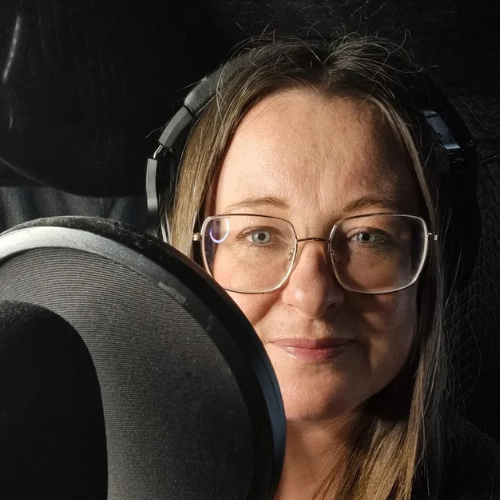
Claire has spent more than two decades working across radio, journalism, news, and podcasting – from regional radio stations through to major metro networks (Nova), national breakfast shows, and some of Australia’s most recognisable podcast brands.
We sat down with her to talk about podcast production, audience loyalty, audio storytelling, podcast communities, and what creators need to understand before launching a show in today’s crowded podcast landscape.
What Makes Listeners Come Back to a Podcast?
According to Claire, there’s no single formula for podcast success – because not every podcast is designed the same way.
Some podcasts become part of a listener’s routine.
Others become part of their identity.
For daily news podcasts, listening habits are often tied directly to routine and timing.
“People know that by 7:45 they’re in the car and that’s when they play the news podcast,” Claire explains.
That’s what’s known as “appointment listening” – where audiences build the podcast into their daily life.
But personality-driven podcasts work differently. Shows like Hamish & Andy, Toni & Ryan, or Mamamia Out Loud succeed because listeners feel emotionally connected to the hosts and community surrounding the show.
“You become essentially part of the family,” Claire says.
That’s one of podcasting’s biggest strengths: listeners actively choose to spend time with creators.
How Important Is Podcast Production Quality?
Podcasting used to be far more forgiving.
Early podcasts often sounded rough around the edges -recorded in kitchens, lounge rooms, or spare bedrooms with inconsistent acoustics and minimal editing.
Claire remembers hearing podcasts where you could hear birds outside, garbage trucks driving past, and room echo throughout the recording.
At the time, audiences accepted it because the format itself still felt new and intimate.
But expectations have changed.
“As podcast audiences have grown and more professional players have entered the space, there’s now an expectation that your audio quality matches or exceeds commercial radio,” she says.
Today, listeners notice poor production immediately.
Hum, clipping, background noise, awkward edits, inconsistent levels -audiences will absolutely point it out.
That’s why professional podcast editing and audio production matter more than ever.
Good audio keeps listeners immersed in the conversation rather than distracting them.
What Does Claire’s Production Workflow Look Like?
For Claire, every podcast episode starts long before the microphones turn on.
The first stage is usually brainstorming, researching, and thinking about the ‘why & who’.
Working collaboratively with a team, ideas are refined through discussion before narrowing into a clear episode direction.
Audience consideration is central to that process. For example, when producing news content for women, Claire explains that the team constantly considers how listeners may be consuming the show.
“If someone’s got kids in the car, you probably shouldn’t be talking graphically about body parts being strewn across the street,” she says.
That filtering process helps ensure the audience feels understood, respected, and cared for.
Once topics are locked in, guest outreach and research begin before recording sessions move into production platforms like Riverside.
And that’s where audio quality becomes critical.
Claire says creators need to be comfortable directing guests toward better recording environments when needed. Sometimes that means asking guests to:
- Move rooms
- Reduce background noise
- Adjust microphones
- Improve acoustics or add soft furnishings
- Wear headphones
One Thing Claire Wished She Knew When Starting Her Career
Without hesitation, Claire points to community.
In traditional radio, content is often broadcast and forgotten quickly. Podcasting works differently. Podcast audiences participate.
They send feedback, suggest episode ideas, contribute stories and form communities around the show itself.
And unlike traditional broadcast media, podcast episodes can continue attracting engagement months or even years after their release.
Someone might discover your back catalogue today and still send feedback on an episode from three years ago.
That ongoing relationship changes everything.
“It’s really important to support that community,” Claire says.
Her advice?
- Respond to emails
- Reply to DMs
- Encourage audience participation
- Build connection intentionally
Because in podcasting, community isn’t separate from the show. It becomes part of the experience itself.
What Should New Podcasters Focus On First?
Launching a podcast in 2026 looks very different to launching one in 2019 because the industry is far more crowded now.
“There’s so much more competition,” Claire explains.
That means creators need to identify what makes their show different.
Finding a niche is essential.
Audiences now have endless choices, so successful podcasts need a clear identity, perspective, or community angle that helps them stand out.
Claire compares podcasting to making art:
people invest huge amounts of time, creativity, energy, and emotion into something audiences often consume for free.
That’s why building loyal listeners matters so much.
The audience you cultivate becomes the foundation that supports the show long-term.
Is There an Ideal Episode Length?
Claire says it depends entirely on the format.
For news podcasts, episode length often aligns with commute times.
That usually means somewhere between 15 and 25 minutes for metro audiences.
For conversational or personality-driven podcasts, she sees 45 minutes to an hour as a strong sweet spot.
Long-form podcast episodes absolutely can work -but only if the content genuinely earns the listener’s attention.
“If you’re going over an hour and a half, your content better be stellar,” she says.
Click below to hear our full chat with Claire.
This is part of our Audio Academy series.
Related reports: