
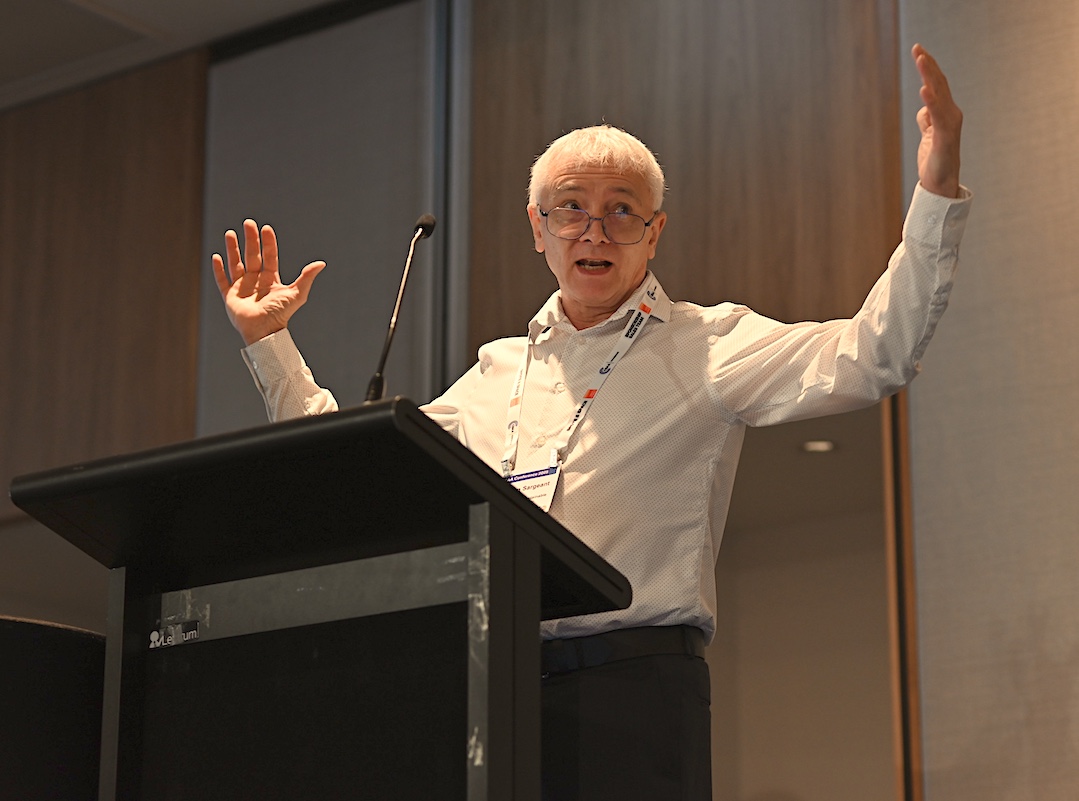
In the opening keynote of the CBBA conference, Adrian Sargeant, from the Institute for Sustainable Philanthropy gave examples of successful fundraising methods from his research studies with NPR public radio stations in America.
“Human beings are social animals,” said Sargeant. Using psychology, he explained how fundraisers can use identity as a way of building connection and increasing donations to your organisations.
The level of annual donations for NPR is about $336 million, but with improved interactions he explained how that radio sector has increased donations by at least 10%.
NPR does the usual fundraising methods, but what makes them distinctive is their annual on air funding campaign drives. They keep going with fundraising messages until they hit their target. “Community radio has a unique advantage of owning a broadcast channel to support their fundraising.”
Sargeant experimented with funding appeals, using a variety of scripts during the annual appeals. There was the usual ‘hello and how much will you give’ script. But then they developed other scripts linking the donor with other people like them, such as:
‘This is the member line… we have another person who has just given $50, how much would you like to give today?’
It increased the level of giving by more than 10%. The longer term impact is a 30-40% increase on what donors gave last year.
In the US, Public radio fundraising has increased by $33 million, using these methods. As well as phone donations, the method works in digital or direct mail channels as well.
There is a ceiling to this method of social psychology. If you tell people about someone else who has given a very high amount they may assume they are a wealthy person so they are not like me.
Sargeant said finding the optimum amount for your station can be done by looking at the donations and choosing an example amount that is above 90th percentile of donation amounts. It may not be useful to express the amount in raw dollars, you may say ‘other people are giving about 2% of their income’ or some people decided to donate 5% of this week’s pay packet.
You can embellish the social information further by matching the gender of the caller to the gender of the giver, for example ‘The previous caller, she gave…’
If your station makes the listener feel good, it will also help the level of giving.
When donors were asked how they feel as a supporter, they used words such as: interested, musical, loyal, enthusiasm, kindness, caring, creativity, friendly, helpful, funny…
“If you use these words in your fundraising narrative, potential donors will know that you are talking to them,” said Sargeant. For example:
Yes, I want to give… hope
Yes, I want to give… kindness
One more method to increase donations is to remind people they are part of a group they feel positive about. For example, prompt them to think about how many family and friends listen to the station.
See more from Adrian Sargeant’s workshop here.
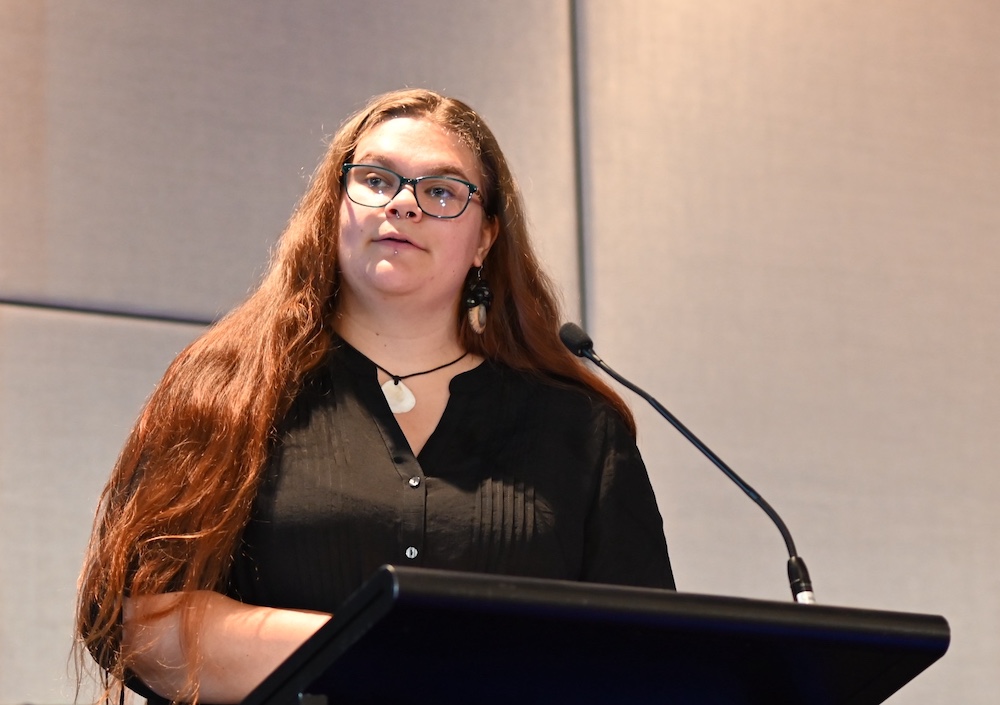
Pakana Kanaplila began the conference with a welcome to Palawa country. “The grandmother mountain has watched over people here for thousands of generations,” she said as she welcomed delegates to Nipaluna country, Hobart.
In other sessions:
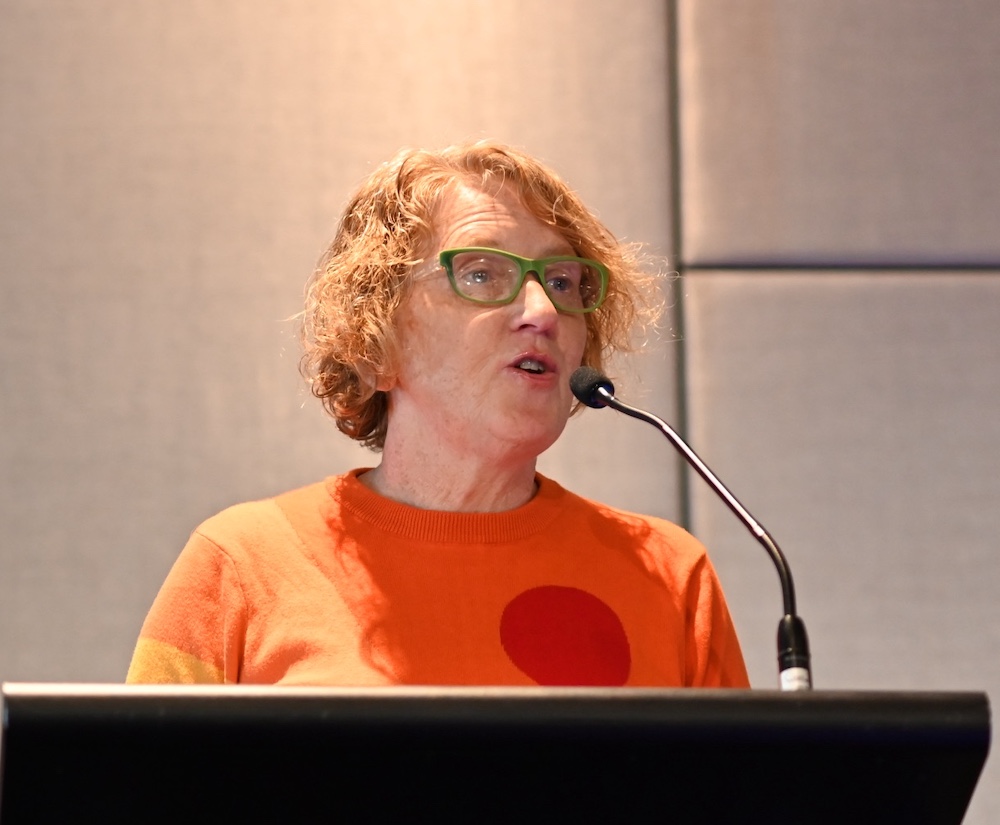 CBAA President Jacquie Riddell remembered that this time last year the sector was celebrating 50 years.
“Over the past year our sector has continued to grow and thrive. The audience is growing and it reflects the trust and connection that only local community media can do. The government has recognised this with an increase in funding to support the sector.
“The collective voice of CBAA members has been one of the reasons for the success of the community broadcasting sector.”
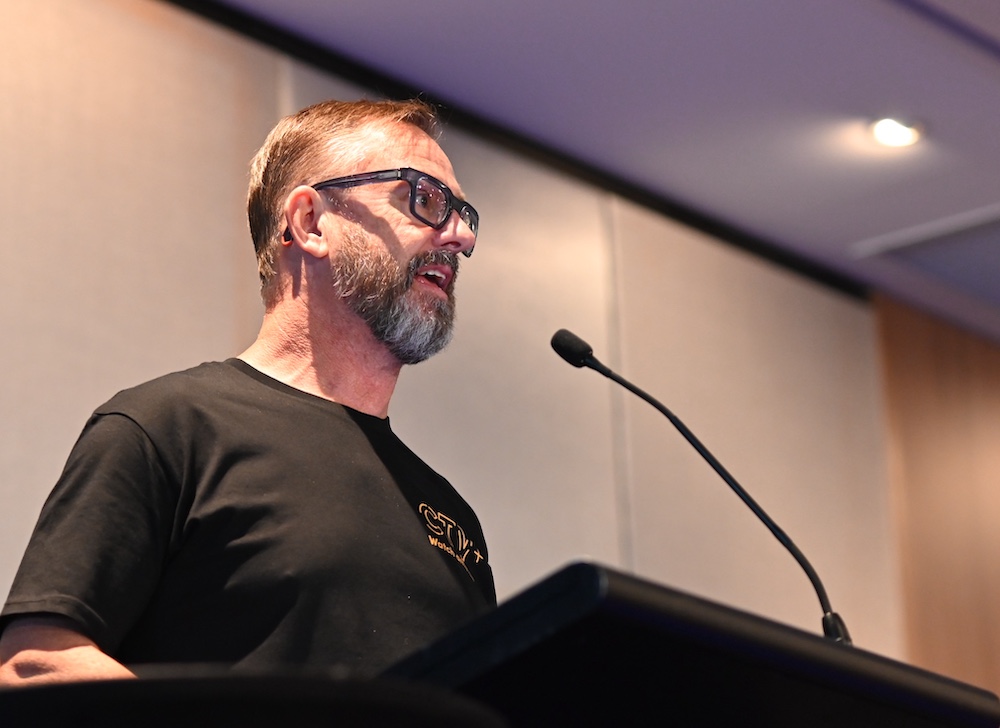 CEO Jon Bissett said this is the third time the annual conference has been held in Hobart. The CBAA has introduced the new Codes of Practice and there are some new AMRAP innovations coming this year, according to Bissett. He urged delegates to take advantage of meeting people and learning from the speakers.
“Our sector has never been more collaborative across community radio and television… Two years ago we launched the Roadmap, which has continued to guide our work and give us a clear vision for the future.
“It is a challenging time, costs are going up, it’s more difficult to raise revenue, but together we make a difference to our communities.
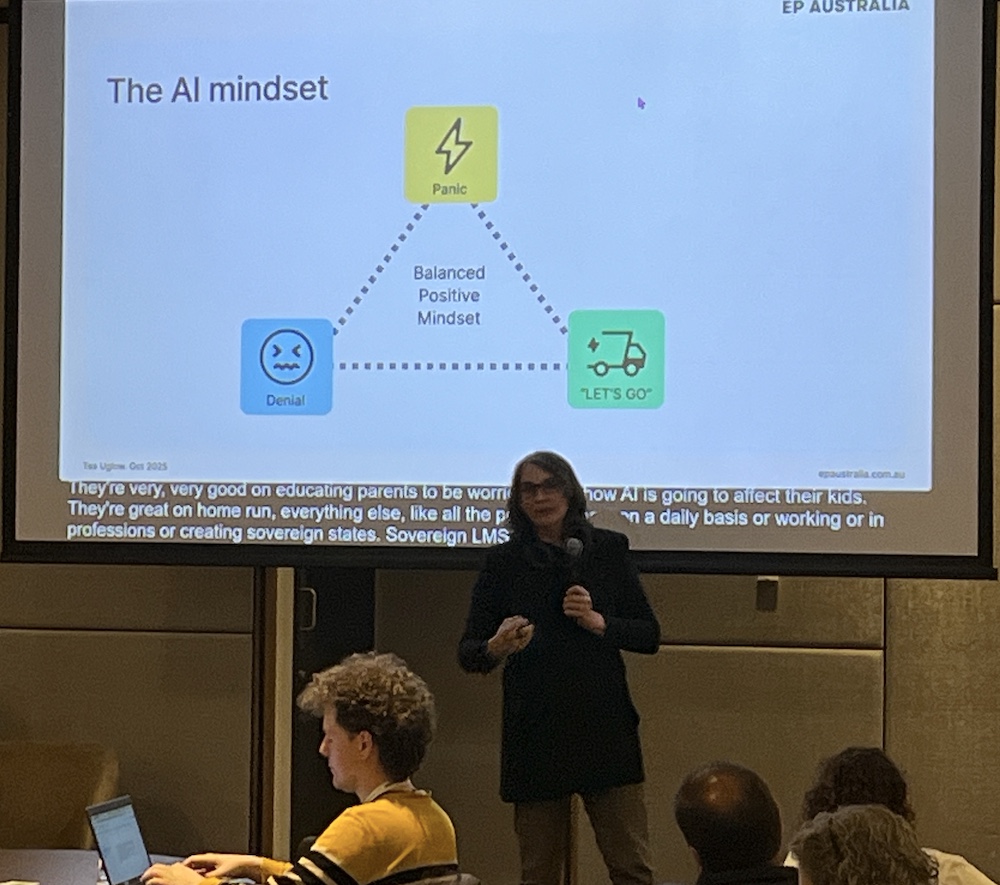
Tea Uglow, a business advisor at EP Australia talked about practical AI for Community Radio.
“AI won’t change everything we do, it will just change how we do everything,” she said.
AI is a practical tool that can help community stations save time and work smarter. From audio editing and scripting, to writing grant applications, taking notes at board meetings, responding to correspondence, or creating content for social media, AI can lighten the load and boost productivity.
“You are leaders in you communities so you should learn about AI to influence the way it affects your country,” she said.
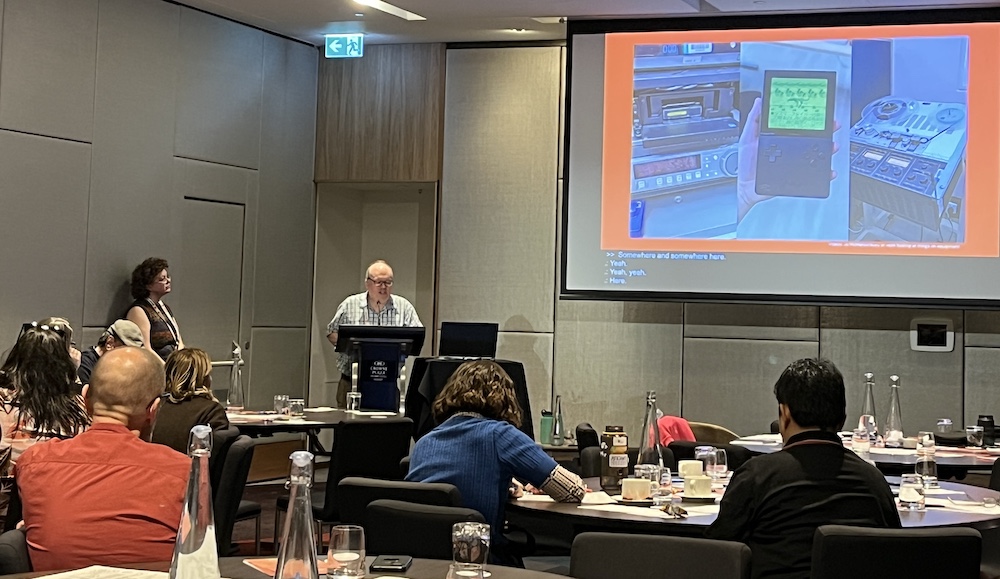
The National Film and Sound Archive of Australia (NFSA) is the custodian of the national audiovisual collection of over 4 million items including film, video, radio, podcasts, games and more.
In a session on archiving data NFSA curators Johanna McMahon and Crispian Winsor explained that the archive’s purpose is to tell the national story in all its diversity by collecting, preserving and sharing audiovisual media. The NFSA works with community media organisations around the country to preserve community content in its collection that also includes commercial and ABC radio.
Something is only as useful as the data that comes with it. “Think carefully about what you put in your metadata when you save your files for archiving.”
If you are digitising your archival material from old tapes, remember to keep the old tapes and offer them to the NFSA for preservation. Equally important is to preserve the old equipment so that original formats can be played. The NFSA tries to keep old machines in working order.
The NFSA has published technical specifications for preserving digital files https://www.nfsa.gov.au/latest/nfsa-technical-specifications-preservation-digitisation
The Digital Preservation Coalition Community has also published guidelines for preserving material https://www.dpconline.org/digipres/implement-digipres/community-archives-dp-toolkit
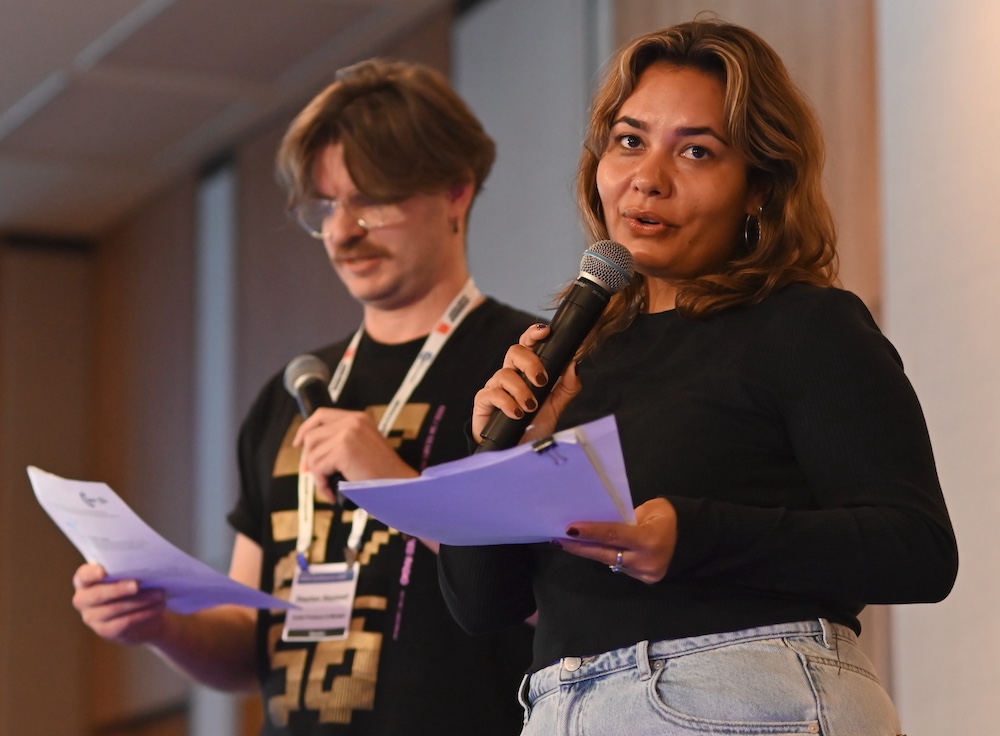
Conference hosts Mikaela Simpson and Stephen Stockwell
Photo credit: Jonathan Brown
More CBAA Conference reports here.