
UTS‘s Impact Studios have released two new podcasts examining lives, history, social policy and how we might change what happens next.
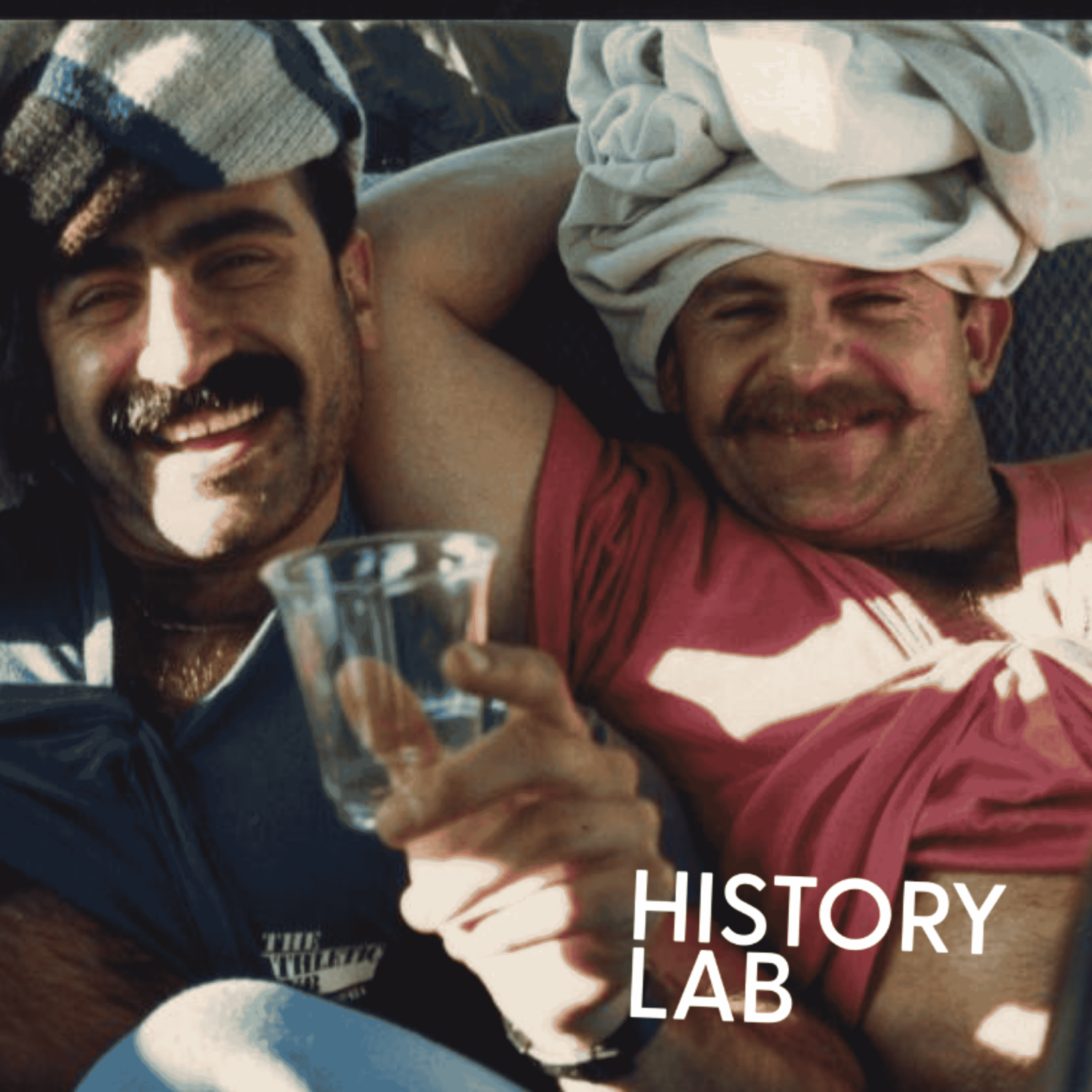
A three-part History Lab series (main image) walks the laneways of Darlinghurst uncovering the local story of Sydney’s AIDS epidemic, told by the people who lived it.
Darlinghurst in the late 70s was becoming a ‘gayborhood’ via dance floors, City Gym, the Oxford Hotel and the Star Observer.
History Lab Darlinghurst: AIDS Crisis charts what happened when HIV arrived, told by those who were there – the barman, the nurse, the gym trainer and people like Pierre Touma, who trained alongside Peter Vincent, the Gay Games athlete whose life and death threads through all three episodes.
The series moves from the fear and misinformation of the mid-80s, the fight for life-saving drugs in the the early 90s and a time when the Star Observer’s obituary pages had 25 names a fortnight, with thousands were gathering in the Domain to read them aloud.
The series ends in 1996, when combination therapy changed everything. Almost everything.
Produced with the Australian Centre for Public History at UTS at the Paul Ramsay Foundation, the series looks deeply at a collective trauma that we are, perhaps, not yet fully able to reckon with.
You can listen to the series here.
The series was a labour of love for historian and Darlinghurst local Leigh Boucher, working with Impact’s audio producer, Regina Botros.
The second is a follow from two seasons of Life’s Lottery that examined how inequality shapes lives and social policy. The podcast has become Change the Story.
Change the Story asks what happens next? What are we doing about it?
Each series will focus on a single theme, as well as studio conversations and recordings of live talks that capture debate and urgent thinking on social justice, social change, and community-driven solutions.
The inaugural series, My Language, My Country, is from the UTS Multicultural Women’s Network, hosted by Dr Elaine Laforteza and produced by Masako Fukui. It asks what happens when we say an Acknowledgement of Country in our mother languages? Does it feel different? More meaningful?
Can it change the way we connect to First Nations peoples and cultures?
A multilingual Acknowledgement was found to open a door to deeper, and sometimes difficult conversations about colonialism, race, and what it means to belong in Australia today.
You can listen to the first three episodes here.