
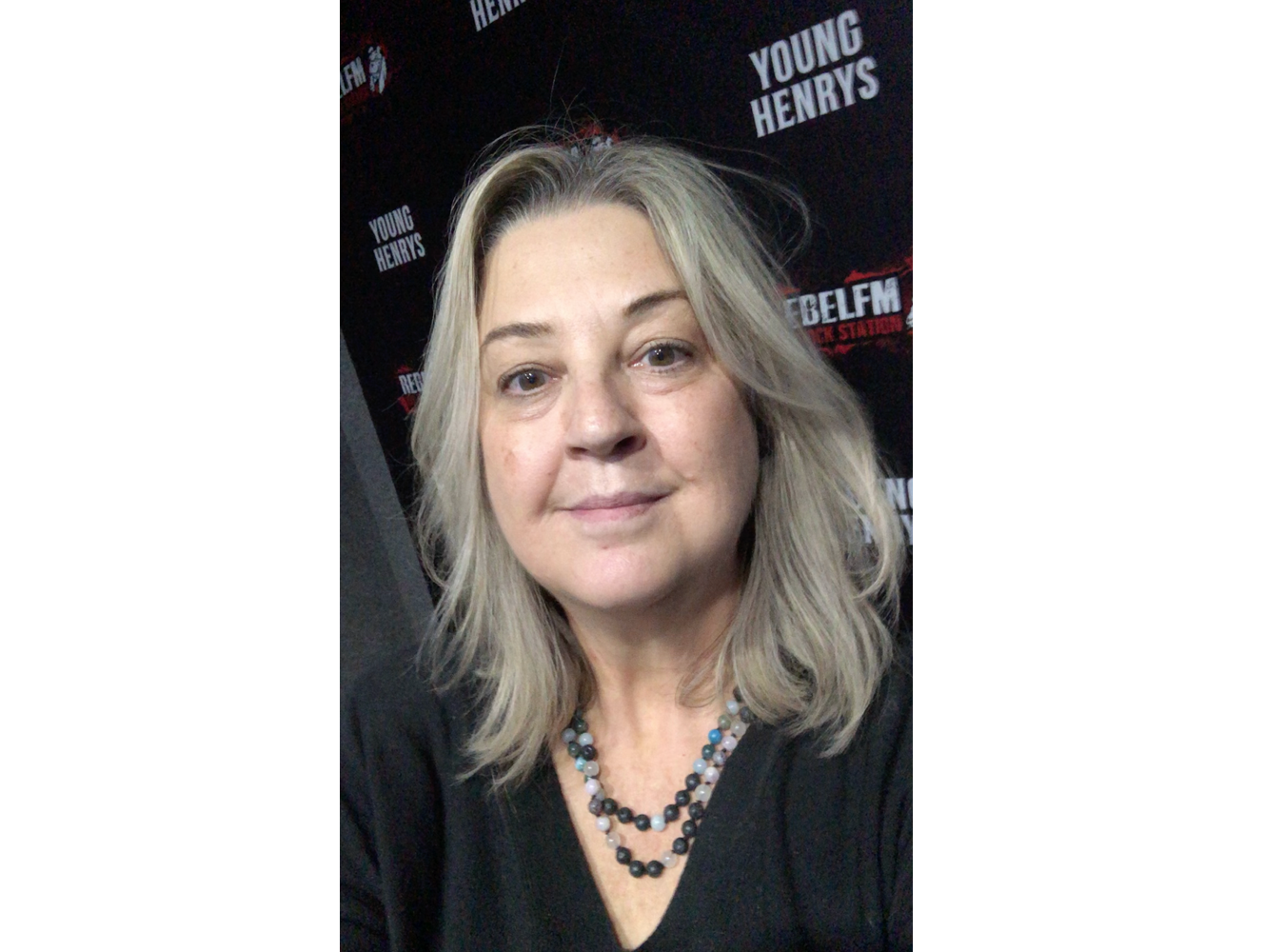
This is the tenth in a series of interviews exploring the career and life journey of women in the media industry. The aim of the series is to reflect on the wisdom they have gained during their journey.
So far we have had a cross section of women in different roles and career stages: Lauren Joyce, Laura Bouchet, Cathy O’Connor, Megan Smith, Kim Napier, Amanda Lee, Jacquie Riddell, Helen Tzarimas and Rebecca Ackland.
This week we profile Cheryl Lee, who worked in many roles in the radio industry, before co founding and managing Gold Coast, south-west Queensland and northwestern New South Wales’ Rebel Radio Network.
1. Describe your current professional life and your stage of life.
In my forty years, I’ve worked as a copywriter, traffic manager, music director, breakfast co-host, announcer, promotions manager, sales manager, and in the past 25 years owner of a commercial radio network.
2. How did you come to be in this industry?
If you’d asked my 18-year-old self what I’d be doing forty years later, I wouldn’t have had a clue. At that age, even ten years into the future feels impossible to picture. And yet, here I am, four decades on, still working in the same industry I first stepped into at the age of 18, radio.
Over that time, the industry has changed massively. Back then, radio felt like a neighbour you’d welcome into your home each morning—local voices, familiar personalities, people who lived in the same communities as their listeners.
Today, the lines between radio and social media are so blurred that what you hear and see often feels more like celebrity influencer culture than local connection.
3. How did your education enrich your career? Did you have encouragement and advice from mentors along the way?
In the early 80s, women were few and far between in radio. Most worked behind the scenes. On-air roles were limited, often to the mid-dawn shift. One of my first program managers told me: “Women don’t like hearing women on air.”
Thankfully, that’s changed. Today, women have a stronger presence across the board—in management, production, and behind the microphone. While men still dominate the host line-up, the gender balance is improving.
4. What changes have you seen in the radio industry during your career?
People often say the downfall started when radio got taken over by “bean counters,” but in my mind, that’s always been part of the picture. The real shift came with technology.
In the 60s through to the 90s, radio was the family’s main source of entertainment and news. By the 90s and 2000s, networking and buyouts by big overseas companies started eroding the local sound of regional radio.
Instead of homegrown voices, communities were served glossy shows networked from Sydney or Melbourne. Aspiring announcers stopped wanting to sound like the local breakfast host—they wanted to be the next big-name on air celebrity.
5. What makes you happy? What makes you get up in the morning?
I love my work and the people I work with. Every day, I’m reminded that my purpose is to create a positive impact on the world around me.
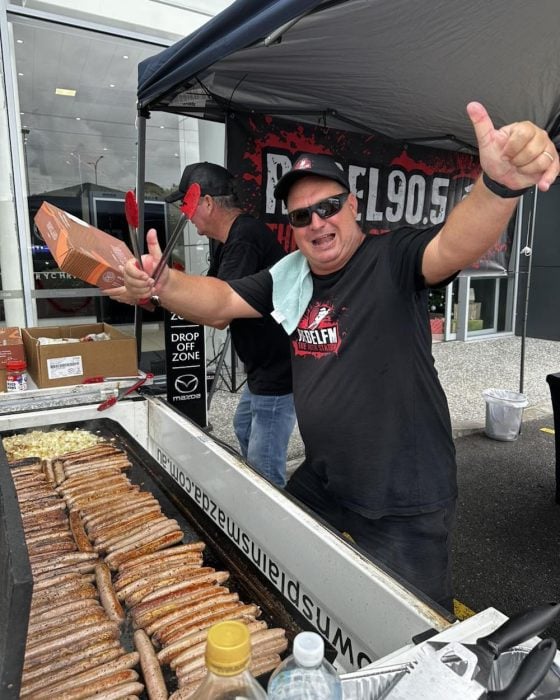
Supporting the homeless with a free barbeque with Orange Sky Laundry and Havafeed on the Gold Coast.
6. Share your words of wisdom for others in the industry or those wishing to work in the industry?
That loss of local ownership and local voices also meant the loss of regional training grounds. Once, country and regional stations were where new talent learned the craft.
But as independents were squeezed out by legislation favouring multinationals, it became harder for Australian family owned stations to survive.
What hasn’t changed is radio’s ability to connect. I’ve seen it time and time again—how a station can rally a community behind a cause, or simply provide personality and entertainment that makes the daily commute bearable.
 Supporting the community, Rebel FM Santa Run Supporting the community, Rebel FM Santa Run |
 Supporting those in need by collecting new clothes, Rebel FM Winter Warriors Supporting those in need by collecting new clothes, Rebel FM Winter Warriors |
But I’ve also seen countless careers cut short by cost-cutting, networking, and redundancies.
And what tips for success would you give to people entering the industry today?
The secret to good radio is remembering it’s never about you, it’s always about your listener. If you can make someone laugh, think, or feel less alone, you’ve done your job.
Radio today isn’t just about sitting behind a microphone. It’s about audio content in all forms, live radio, podcasts, streaming, and social media.
Learn how the industry is shifting and stay open to new platforms.
7. Describe your vision for the audio media industry in the near future.
Unless the industry, the government, and most importantly, the people responsible for radio in Australia embrace a dramatic shift in attitude and a willingness to rethink how radio is delivered and its relevance to people, its impact on listeners will continue to fade.
The challenge now? We’re an ageing industry, with ageing audiences. Eighteen-year-olds don’t exactly see themselves in 50-year-old hosts, and with fewer regional pathways for new talent, there’s a big gap in bringing fresh voices into the fold.
If that gap isn’t filled, the hole only gets deeper.
8. What role would you like to play in shaping the audio industry of the future?
We can’t turn back the clock, but we can ask better questions:
What role should radio play in regional markets today?
How can we rebuild the connections that once made it such a vital part of community life?
The answers will decide whether radio keeps fading—or finds a new way to stay.
The people steering radio’s future are still locked into old ways of thinking, unable to move beyond traditional delivery methods. By investing in DAB, we squandered resources and lost momentum in embracing digital opportunities that could have kept radio engaging and relevant. If we don’t start redefining what radio should be for the next generation of listeners, it risks becoming obsolete, as has regional TV and newspapers.
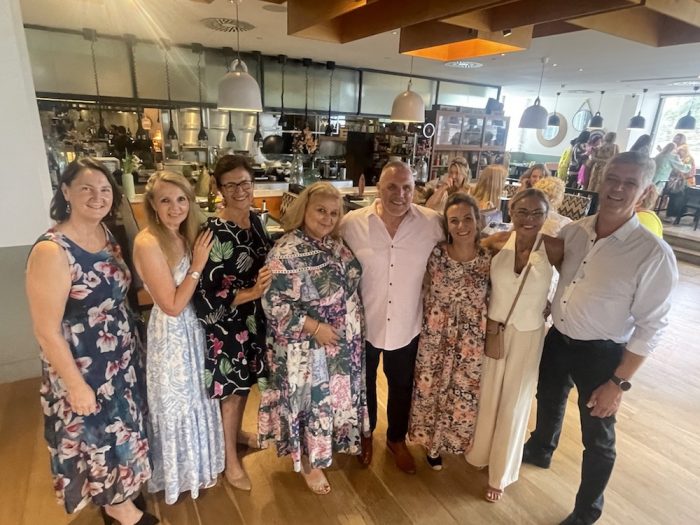
Supporting Media partner, Friends with Dignity Event, Breeze FM
Series compiled by Serena Ahern for radioinfo.
If you have a suggestion for someone to be considered for this series, please send a note to [email protected]
Previous articles in this series:
Wisdom of Women in Media: Rebecca Ackland Chief People & Culture Officer SCA
Wisdom of Women in Media: Helen Tzarimas News Reader and Journalist Gold 101.7
Wisdom of Women in Media: Amanda Lee, Head of HIT Metro Content/Fox FM Content Director
Wisdom of Women in Media: Kim Napier, Breakfast Presenter ABC Northern Tasmania
Wisdom of Women in Media: Megan Smith, Senior Producer Gold 101.7
Wisdom of Women in Media: Laura Bouchet, Content Director Triple M
Wisdom of Women in Media: Lauren Joyce, Chief Audience & Content Officer ARN