
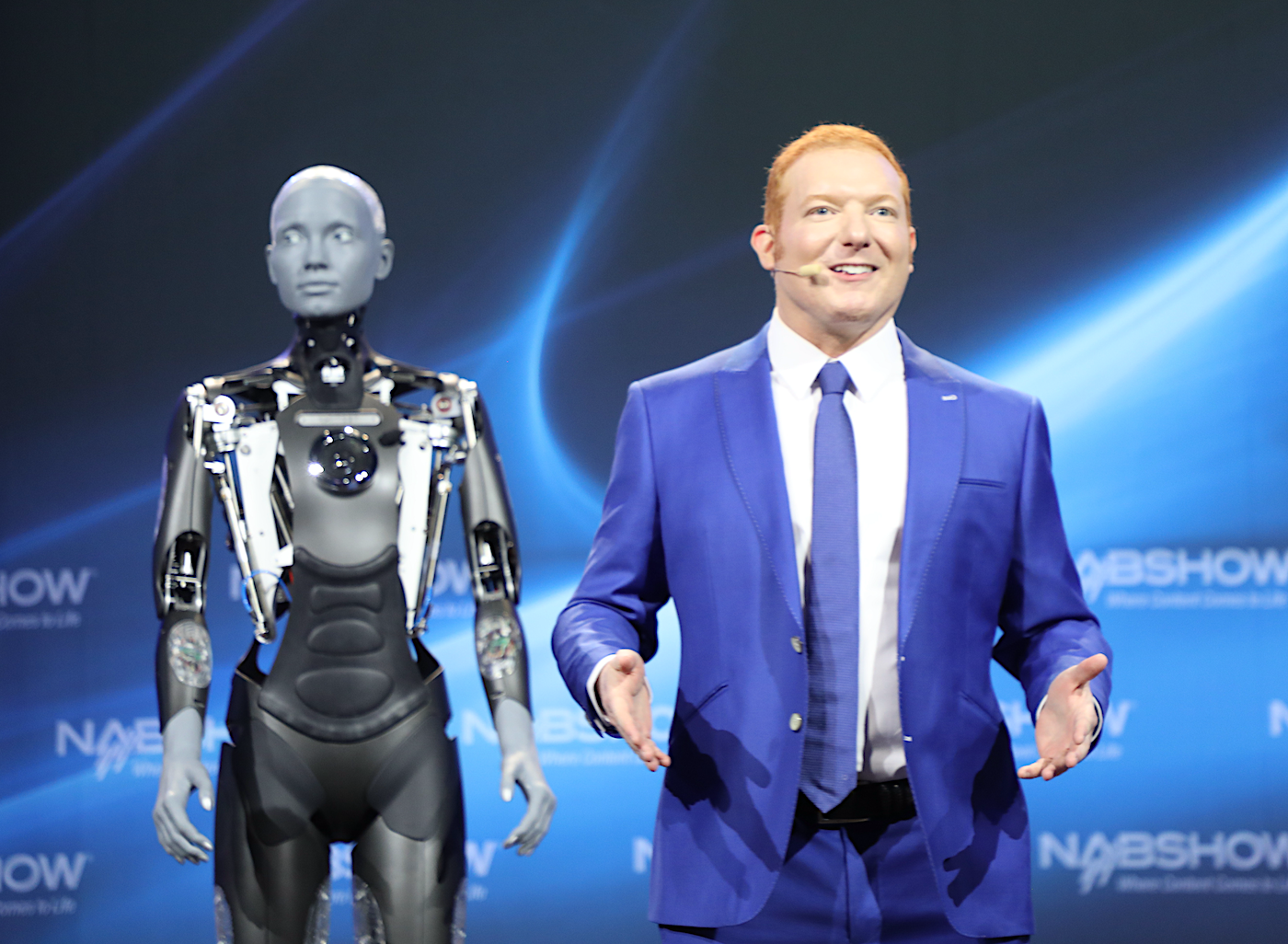
“Radio is a scrappy, 100-year-old start-up that keeps reinventing itself every time someone predicts its demise,” Daniel Anstandig.
AI and new technology are affecting almost every industry on the planet. The audio industries are being reshaped every month by new tools and different ways of doing business. In this series Steve Ahern explores the technology and the people driving those changes.
Many of the current technology developments are driven by companies outside the audio industries, but sometimes people with a background in radio are at the forefront of change. Their views are worth listening to.
A couple of weeks ago I spoke to Clive Dickens who reminded us of the human connection of live radio. “If we disconnect radio from that shared experience in human connection, then we will regret it for a generation or more. The real question is how can you use AI to actually further connect with people.”
This week I spoke to pioneering entrepreneur and technologist Daniel Anstandig the CEO of Futuri Media.
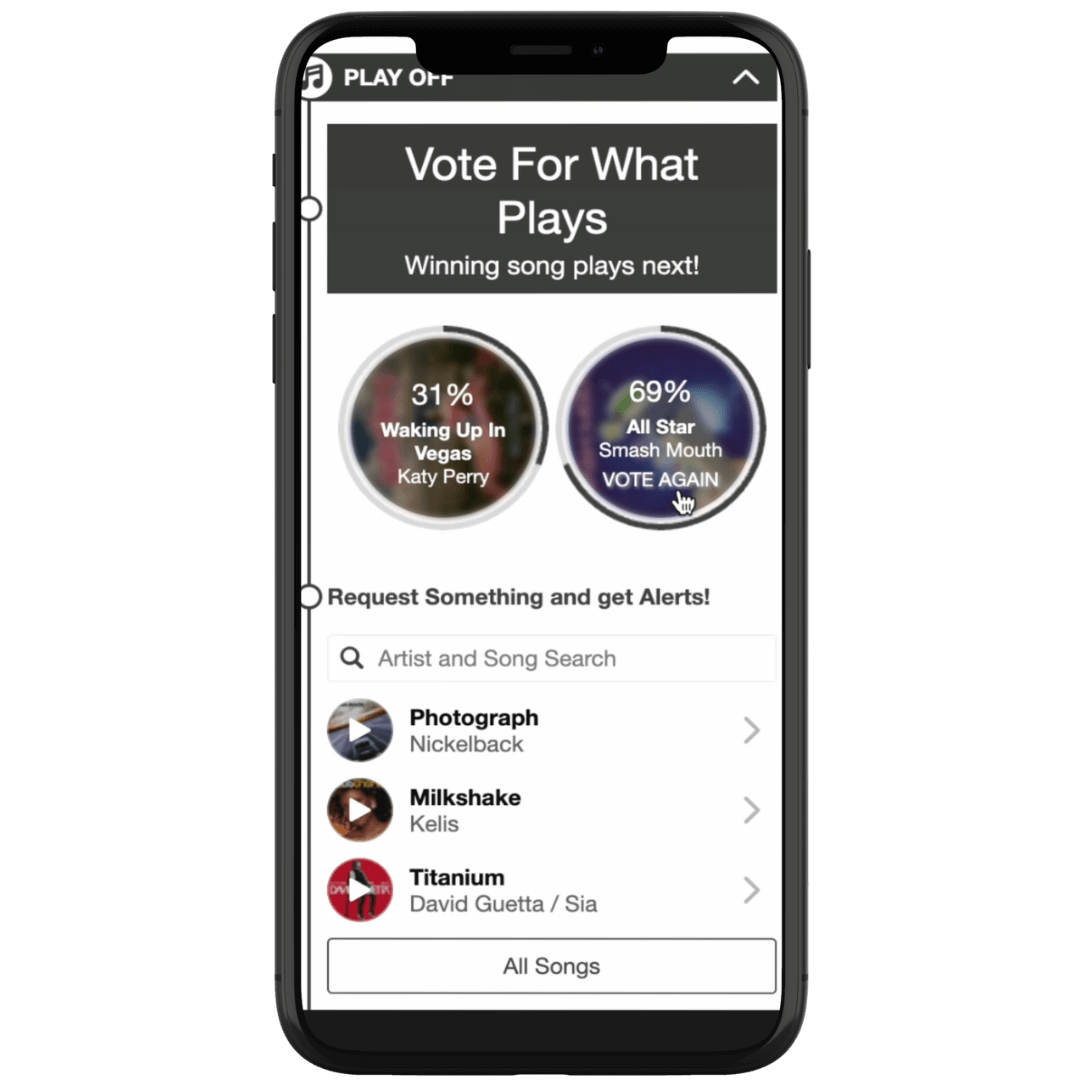
Futuri develops AI-driven technology solutions for the media and public safety sectors, serving broadcasters, digital publishers, and content creators. The company specialises in SaaS platforms that help media companies maximize audience engagement, streamline content creation and distribution, and improve sales performance. When I was at the 2025 NAB Show in Las Vegas, Futuri reintroduced LDR, its Listener Driven Radio, a ‘Vote for What Plays’ product, returning to its interactive radio roots and reaffirming its commitment to audience facing content technology for broadcasters and publishers.
Since launching Futuri in 2009, Anstandig has steered the company to serve over 7,000 media brands with its innovative sales, content, and audience technology that is now used in 22 countries. He holds more than 20 patents in audio, podcasting, AI, and broadcast technology.
Anstandig’s radio journey began aged nine when he started a radio broadcast in his parents’ basement. By 17, he had founded Digital Audio Entertainment Radio (DAER) and sold a technology company to Microsoft. His early professional rado experience included on-air and programming roles. He later served as President of McVay New Media and has advised major organizations such as The Wall Street Journal, CBS News, and Clear Channel. He is involved with the Broadcast Educators Association, a non-profit training body for radio and tv in America.
Here is my chat with Daniel about the continuing importance of radio and how new tools can make the content gathering process more efficient.
Steve: You started in radio, first as a kid building a streaming audio and ad insertion company, then worked for Clear Channel and as a programming consultant for many radio stations. That was long ago in your career. How important is radio now?
Daniel: Radio is a scrappy, 100-year-old start-up that keeps reinventing itself every time someone predicts its demise. People see the tower and think “legacy.” I see a hyper-local nerve system that wakes up with you, tells you where the traffic jam is hiding, introduces you to a brand-new artist, and then rallies the town to fill a food bank before dinner.
Every healthy civilization I can think of has a fast, trusted way to move information from one neighbor to another. In 2025 that still happens, in large part, through a friendly voice on a frequency you can hear in the car. Smartphones may get all the applause, yet in every hurricane, wildfire, or surprise snowstorm, radio is the channel that keeps talking after the batteries in everything else give up.
I’ve seen the good, the bad, and the wonderfully weird corners of this business, and stations like The JoyFM in Tampa remind me why I never left. I’ve consulted with them for two decades, and every time I visit an event it feels like I just crashed a family reunion: listeners hugging strangers who aren’t strangers at all, just friends they haven’t met yet. That kind of community glue is priceless.
What I find most compelling about local radio—and why I consider it such a powerful tool—is its role in fostering the kind of open communication channels that define advanced civilizations. When you examine thriving societies throughout history, they share this characteristic: robust systems for sharing information and knowledge. Local businesses win, too. Radio is the trusted neighbour on every block, and that credibility fuels the shop-local economy that keeps main streets alive.
Radio serves as one of our most fundamental platforms for information exchange and community building. While the radio industry certainly faces valid criticism regarding its community engagement practices in various markets today, it also deserves tremendous recognition for its contributions.
Steve: What do you see as the most important trends affecting radio and podcasting in the next 2 or 3 years?
Daniel: These are three important things to think about.
- AI as the new showrunner
Generative tools are now good enough to storyboard an entire morning show before the hosts finish their first 4AM coffee. At Futuri we lean on two of them every day. POST grabs a live talk break, trims the fat, adds metadata, and pushes a snack-size podcast episode while the mics are still warm. TopicPulse works the other side of the clock, scanning millions of social posts, searches, and video views to predict tomorrow’s hot button before it trends. Together they give talent a one-two punch: “Here’s what to talk about, and here’s how to recycle it into on-demand gold.” No extra producers, no midnight editing grind.
- Format lines turning into squiggles
Listeners don’t wake up saying “Today I choose radio, tomorrow podcast, Friday streaming.” They want the best idea in the shortest number of taps. That means podcasters must learn audience scale from heritage stations, and stations must think like mobile-first apps. The winners will serve a single feed that flexes to the listener’s context—live when something is breaking, chapterized when they’re on the treadmill, video clips when they scroll TikTok at 11 p.m.
- Revenue that thinks for itself
Smart data-rich stories still sell commercials. Expect AI-driven dynamic ad insertion that adapts creative to geography, weather, even the song that just played. Sales teams armed with better sales research and real-time attribution dashboards will walk into client meetings with proof, not promises. The stations and podcasters who invest early will look less like media vendors and more like growth hackers with a microphone.
The game is getting faster and weirder in the best possible way. If we pair the timeless magic of a human voice with tech that never sleeps, audio’s next chapter sounds pretty incredible.
Steve: I’m interested in the work Futuri does in audio, particularly on sales, content and voice cloning. Tell me about your Audio AI tools for sales. Why did you create this tool?
Daniel: Futuri is in the business of turning audio sellers into superheroes, and every hero needs a sidekick. Ours just happens to run on AI. BTW, that doesn’t mean ChatGPT. We’ve used Machine Learning for years to develop our products and we do integrate LLMs on the backend in certain circumstances, but we have developed robust code bases for our systems over many years.
Two Futuri sales sidekicks you’ll appreciate:
TopLine
Think of TopLine as a jet-pack for account execs. In seconds it digs through mountains of consumer data and local signals, then spits out a research-driven pitch deck that looks like you spent all night on it … minus the caffeine jitters. Instead of wrestling with spreadsheets, your team can focus on the fun part: building relationships and closing business. That’s why we built it to give sellers their evenings (and sanity) back.
SpotOn
The fastest way to turn “I’ll think about it” into “Where do I sign?” Nothing kills momentum like waiting three days for production to crank out a spec spot. SpotOn lets reps type a few details: business name, offer, vibe … and boom: broadcast-ready audio with a menu of lifelike AI voices, plus multiple creative variations so the client can pick their favorite. We even leveled up with SpotOn Video, which auto-generates 15-second video specs for digital and OTT. Radio may sell “invisible air,” but SpotOn makes that air look and sound amazing in about a minute.
We believe that time is the new currency. Sales cycles keep shrinking, but client expectations haven’t. AI collapses prep and production timelines so deals move at the speed of a DM.
Fewer people, bigger quotas. Headcounts are leaner than a runway model. Automation lets small staffs behave like fully staffed giants. AND Trust still rules. Fast, insight-packed proposals and slick creative show prospects you actually “get” their business. That trust translates straight to revenue.
We are obsessed with giving audio pros unfair advantages. TopLine and SpotOn aren’t here to replace sellers—they’re here to make sellers look like sorcerers armed with Nielsen, Nielsen, and a crystal ball.
And hey, if your clients start asking how you suddenly became a data scientist AND a voice actor overnight… just smile and introduce them to your new Futuri AI sidekicks! LOL.
Steve: Presenters, podcast hosts and social media creators are busier than ever, not just producing content any more, but doing lots of other jobs too. One of the difficult things is keeping up with all the information out there and choosing the best things to talk about to connect with an audience. Tell me about TopicPulse. How does it work?
Daniel: Imagine rolling into the studio before breakfast and spotting a bright red alert on TopicPulse: “Melburnians 25-39 are suddenly sharing a new Cold Chisel reunion rumour—interest up 340 % in the last 20 minutes.” Instead of doom-scrolling three different feeds you can jump straight on‐air, serve the story while it’s piping hot and look like you’ve had spies on every street corner.
That’s the everyday magic TopicPulse brings to creators.
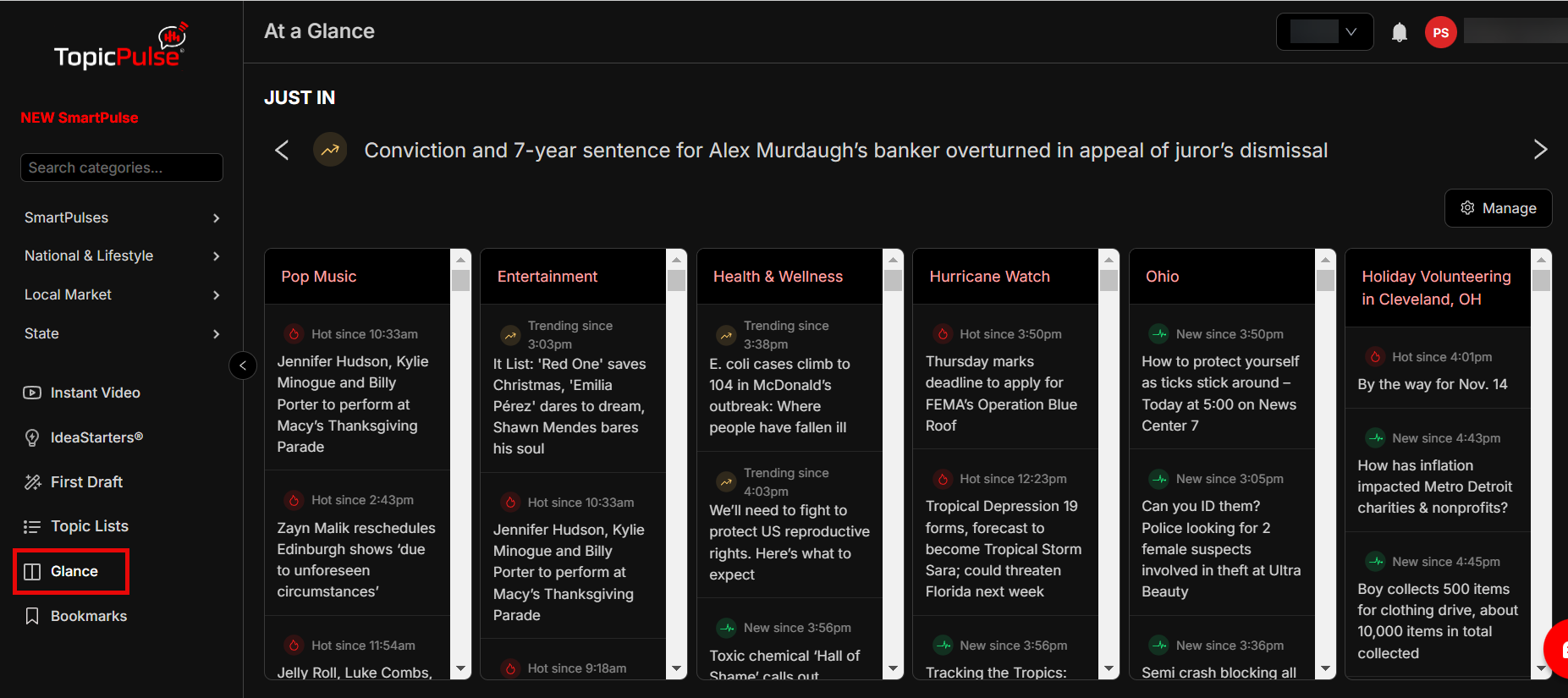
It lives on local signals… The platform slurps live data from X, Instagram, Facebook and roughly a quarter-million news sites, then filters it by postcode, age bracket and interest. It knows if the buzz is really coming from the WestConnex on a Monday commute or from the Gold Coast after lunch.
It shows the curve, not just the headline… Each topic carries a “rising / steady / falling” forecast so you can decide whether to run with it, park it or spike it. Think of it as a surf report for conversations.
It hands you the angle on a platter…
Click a headline and you’ll see what’s already been said, which twists are untouched and even a couple of ready-made talking points or social captions. No more typing “explain like I’m five” into search at 11 p.m.
We built it because radio is busier than ever and head-counts are lean and producers juggle on-air, podcast and TikTok duties all in one shift. TopicPulse shaves hours off prep, letting you spend that time doing the part only a human can deliver: sounding like a mate who always knows the good stuff first.
So if your breakfast show suddenly feels clairvoyant, feel free to claim it’s a sixth sense. I won’t dob you in. HA!
Steve: You also have a voice cloning tool. I’m not very convinced about voice clones, they can generate a voice, but can they generate emotion and a conversation that connects with listeners?
Daniel: I felt exactly the same way the first time I heard those monotone robo-voices: impressive tech, zero soul. The newer breed of voice AI, including what we’ve built into Futuri AudioAI, is a VERY different animal.
First, the voices themselves have grown up. Our voice engines can whisper, chuckle or lean in with a conspiratorial hush because the system carries stage-direction tags like [excited] or [sighs]. You hear real lift and fall in the delivery closer to a seasoned breakfast jock than a GPS unit! 🙂
Second, the words those voices read aren’t generic scripts. AudioAI is tied to TopicPulse, so the clone is reacting to whatever’s lighting up social feeds in Sydney or Perth right now. When the model writes a break it already knows, for example, that Gen Z in Wollongong is losing it over a Beyoncé tour leak, and it builds that energy straight into the copy. That immediacy prevents the “canned” sound that used to tip listeners off.
We also capture multiple moods when we clone a human talent… think upbeat, reflective, cheeky… so the system can switch gears mid-shift. A sponsor read might call for bright enthusiasm; a weather warning needs calm authority. Because those styles are baked into the talent’s own dataset, the change feels natural rather than like someone flicked a filter.
Does it actually connect? Stations using AudioAI to cover overnights are reporting time-spent-listening that’s steady or up, largely because the AI never phones it in on a slow news day and it never mispronounces the local footy oval. And we rarely deploy a clone alone. Most clients pair it with a live presenter: the AI tees up a newsbite, the human riffs, the AI tags out with a weather sting. Listeners just hear a conversation that keeps rolling, even when the host ducks out to line up the next guest.
Look, if the audience can’t tell whether the 3 a.m. announcer is flesh-and-blood or silicon—and they’re still laughing or phoning the talkback line—we’re doing our job.
Steve: How many stations are using that function and what are they using it for?
Daniel: We’re seeing more stations use our AI voice cloning tools in conjunction with TopicPulse to create AI-generated shifts, and not just as a novelty.
Dozens of stations across various markets are using this approach, and that number is growing quickly. The most common use cases… Overnights, weekends, and digital-only formats that wouldn’t normally justify a live host.
Stations aren’t replacing their key talent. They’re extending their brand. It’s a hybrid model. Live, local talent still owns the high-impact parts of the day: mornings, afternoons, anytime listener interaction and personality are paramount. But AI helps fill in the gaps with consistent, relevant content that keeps the sound fresh, especially during lower engagement times.
Interestingly, most stations using this tech don’t advertise that they’re doing it. They’re just making it part of how they operate. We always advocate for transparency, but we also respect the fact that every station is navigating this in its own way.
Steve: One of the things that is becoming top of mind in the media is the erosion of trust. Do you fear that some of these tools will be used to create fake content to sell bad products or to manipulate public opinion or voting behaviour? It’s not that this hasn’t been done before, but now AI tools can spread disinformation faster and make it more personalized than in the past. Is this a threat to the media and society?
Daniel: There’s no question that trust is eroding in media. But that’s not a reason to FREEZE; it’s a reason to lead with clarity and accountability.
At Futuri, we’re not blind to the risks. We talk about them all the time with clients, legal experts, and partners. But here’s the thing: every meaningful technological leap has come with potential for misuse. The answer is to build smarter frameworks, get ahead of the misuse, and design tools that reflect both innovation and integrity.
Steve: Tell me how you came to found Futuri?
Daniel: Back in 2009 I was helping broadcasters rethink digital strategy when a pattern jumped out at me: every conversation ended with the same sentence—“we wish we had the tech and talent to move faster.”
This was our founding question: What would happen if radio or television were invented after the internet? How would they look, sound, and make money? The answer was a blank canvas, and that blank canvas became Futuri.
I started the company in a spare bedroom with three convictions:
- Digital would become the primary front door for every media brand.
- Software and data would let lean teams feel ten times bigger.
- Speed would beat size, and whoever iterates quickest wins.
Those beliefs shaped our first product, a social listener-interaction platform that let any station behave like an always-on digital brand. From there we kept listening to partners and building what they needed next: real-time topic intelligence, AI-powered content tools, sales insights. Always with one goal: help great storytellers grow audience and revenue in a world where attention is the scarcest resource.
Fast-forward to today and Futuri’s technology is used by more than 7,000 media brands in 22 countries. Our team has earned 20+ patents and nine consecutive spots on the Inc. 5000 because we’ve never stopped asking that founding question. The media business keeps changing at warp speed; our job is to make sure our partners outrun the change and turn it into opportunity.
Steve: How many people in the company came from the radio?
Daniel: Roughly half of Futuri’s crew grew up inside radio or TV newsrooms—producers, programmers, sellers, on-air talent—people who understand every quirk of a live studio and what it takes to build a loyal audience. The other half are engineers, data scientists, and product thinkers who have spent their careers turning code and algorithms into practical tools.
That fifty-fifty blend is deliberate. The media pros make sure our ideas solve real-world broadcast problems, and the technologists turn those ideas into scalable, AI-powered products that push the industry forward. It is the reason we can ship cutting-edge features without losing the soul of the medium.
Steve: I’ve listened to some of your songs, you’re a songwriter and musician, as well as a company leader. What excites you about making music?
Daniel: Making music feels like giving the left side of my brain a weekend pass. Most of my days are strategic, spreadsheets, deep thought with engineers, problem solving with our partners… so stepping into the studio lets me swap KPIs for chord progressions and groove!
Outside of Futuri, my creative outlet is music. I’m passionate about songwriting and producing for artists. Over the years I’ve written many songs and composed music for commercials and film sync.
During the COVID lockdowns, the studio became my playground, and that’s when I started releasing music under the name Rhythm&Truth. It’s soul-pop-funk-jazz… I refuse to pick a lane! And we’ve had over 7 million streams since 2021. It’s amazing to see how the music has connected with people around the world.
I’ve also had the privilege of producing full albums for artists like Warner Music Group’s MaKenzie Thomas and Brazilian pop vocalist Gabriel Henrique. Songwriting reminds me that ideas should sing, whether they end up in a board meeting or a bridge before the final chorus. It keeps me curious, keeps me playful, and it definitely keeps me sane.
Steve: How is technology affecting musicians and composers?
Daniel: Talented people are not afraid. When you zoom out, every big music shift starts with a gadget that made purists flinch… the electric guitar, the sampler, the 909. AI’s just the latest, and the soundtrack is already evolving.
David Guetta’s dropping AI-Eminem vocals into festival sets, calling AI the next acid-house moment. Will.i.am sees it as a creative co-pilot, not a threat.
The tech’s everywhere… Paul McCartney used AI to isolate Lennon’s voice and finish the last Beatles track with finesse. Björk wired AI to a rooftop cam so her music shifts with the weather.
Now, full song-in-a-click tools like Suno and Udio let anyone generate a track as fast as tuning a guitar. Timbaland launched an AI act, calling it A-Pop.
Robots replacing bands? Not likely. Most hits already lean on invisible AI… Auto-Tune here, smart compression there. The real change is speed: want a sitar morphing into synth brass that whispers? An AI can build that in seconds so you can focus on the song.
The human/machine line’s blurry… but that’s where new genres are born. In 10 years, we’ll probably see AI the way we see samplers: controversial, then normal, then revolutionary.
Let curiosity drown out caution. AI won’t steal your gig… it’ll hand you more colors, and maybe a little extra time to paint with them.
In all our publications, we employ real people with professional industry understanding, deep connections and long memories, who write real, researched stories. We don’t use AI or automated bots to generate stories. If we use AI for summaries or picture montages, we declare it. You can support our journalism by paying for deep access to our reporting via an annual subscription that supports our independent audio industry trade publication. And please support our advertisers, who support us, by clicking on their banner ads and having a look at what they haave to offer.
Related articles:
Broadcasting, Podcasting, Audio Equipment Trends at #NABShow 2025
About the Author:
Steve Ahern is the founding editor and publisher of this industry trade publication.
He also consults to audio companies about technology and audience consumption habits and delivers training for broadcasters all around the world.
Steve’s other recent articles.