
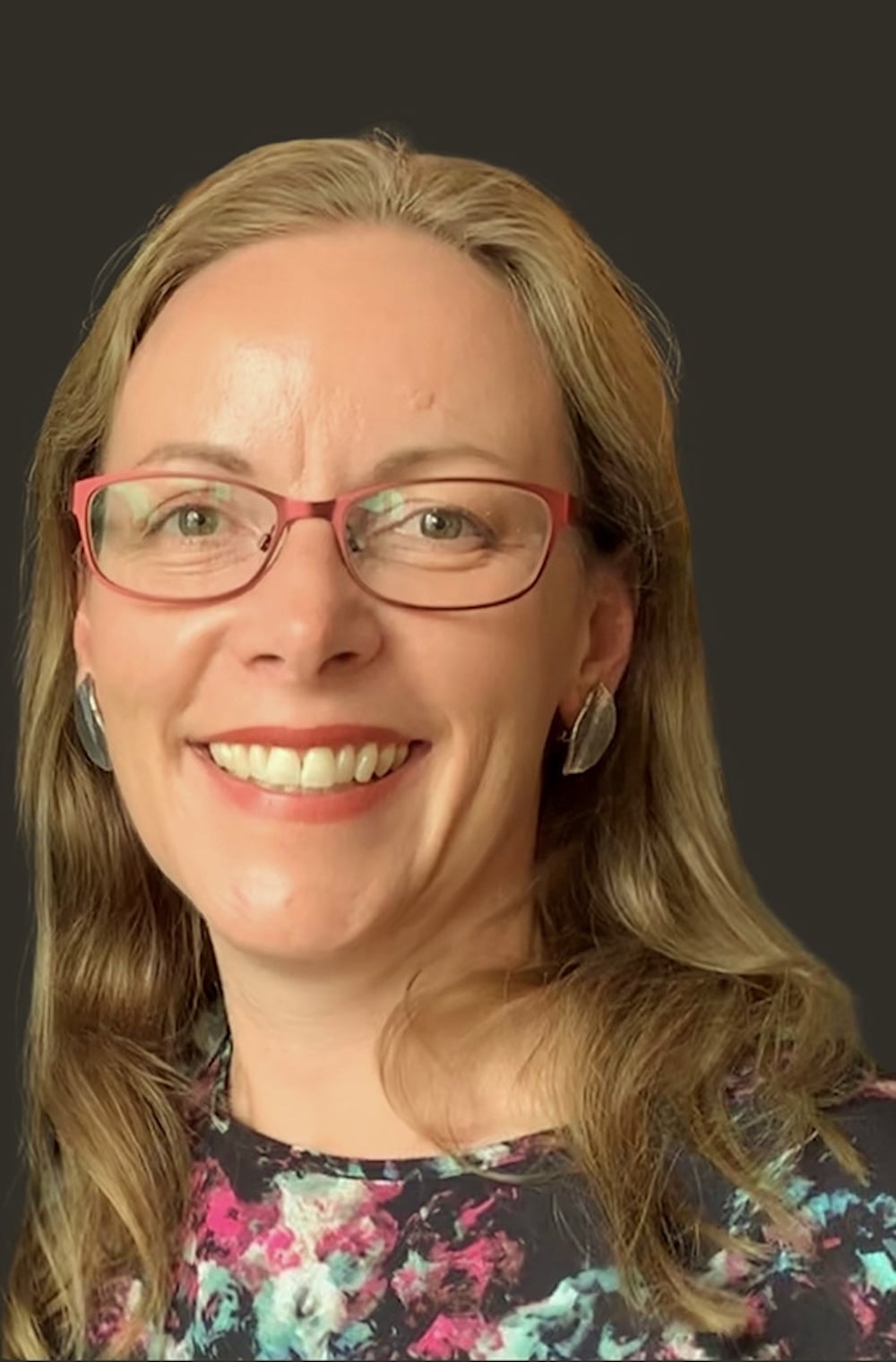
Samantha Stayner has always loved radio and is proud to have built a long and varied career in public broadcasting at the ABC. She is our 8th profile this series and now works in a national role as the Manager of Quality, ABC Audio division.
The series, Wisdom of Women in Media explores the career and personal journeys of women in the audio media industry. The aim of the series is to reflect on the wisdom they have gained, to mentor and to share their hopes for the industry.
1. Describe your current professional life and your stage of life.
After almost 25 years as a producer, presenter, content director and station manager at the ABC, I’ve recently begun in a newly-created national role as Manager of Quality for the ABC Audio division. I’m loving this new opportunity where I’m supporting and improving content, craft, air-checking, training and development for many different teams across ABC Audio networks and platforms.
I live and breathe live radio as much as I did when I was producing daily programs and leading teams locally, but now I get to listen even more, and to radio and pods across genres, from around Australia.
2. How did you come to be in this industry? (A passion from childhood? A series of accidents? A focused career path, recognising opportunities as they happen?)
All of the above!
My Nan was a 3AW devotee who never missed Buy Swap & Sell and would regularly call to breathlessly say “quick! Turn on 3AW!” to hear an incredible story. She loved breaking news! I must have been about 10 when I got my own silver transistor radio and became a Fox FM Morning Crew fan. I discovered politics through How Green Was My Cactus, and then music through American Top 40, Take 40 Australia, and later 3RRR and 3PBS.
I was the primary school kid who loved BTN and turned my workbooks into pretend newspapers; in high school I dreamt of being a foreign correspondent and I idolised George Negus. I infuriated my brother by skipping around the house singing the Four Corners theme. But I also loved calisthenics, dance, and musical theatre – radio turned out to be a great fit because it combined the thrill of live performance with the chance to work in incredible creative teams, producing great moments, telling stories and breaking news.
RMIT Journalism introduced me to radio; I presented shifts at SRA (now SYN FM) and Monday Breakfast at 3CR where I made a tonne of mistakes but had a ball. A uni internship at 3LO introduced me to people who later gave me my first proper shifts in radio production.
My first job was as Production Assistant at Working Dog, including Audience Coordinator for The Panel. Working with a live studio audience was a lot like producing talkback callers, but in person! I saw the level of preparation, research and dedication that make that incredible creative team so successful. I had so much to learn, and I carry many of those lessons to this day.
After backpacking for a year I doggedly pursued my dream of working for the ABC. I hassled contacts made during my uni placement until the first door opened at ABC Bendigo, thanks to Tony Allan. I drove up in my Datsun, stayed at the YHA and I’ve been working in radio ever since! I got hooked on the pace, adrenaline, immediacy… and it was so much fun. I’ve never stopped loving radio and the power of audio to connect us, inform us, and make us laugh, or cry… the thrill of creating those magic moments with a great team.
3. What are your core beliefs? How are your values evident in the work you do or the life you lead?
Excellence: strive to be the best and go the extra mile to get there, don’t settle for good enough. What more can you do? How can you make it even better?
Fairness: I treat people fairly and expect the same of others; fairness is crucial in balanced storytelling too, which is why I’m passionate about the role of public broadcasting and the ABC.
Accountability and trust: foster accountability but trust your creative people to take risks. Great cultures lead to great content: when people feel supported and trusted, they can take risks and achieve incredible things.
4. How did your education, formal and informal, enrich your career/ life journey?
RMIT Journalism was a great grounding in newswriting and craft skills, shared with a legendary group of peers who are now in all kinds of incredible careers inside and outside of the media. But most of my radio training was learned on the job, by working alongside senior producers and broadcasters at 3LO / 774 ABC Radio Melbourne.
Producers Joh Jarvis, Chris Uhlmann, Colin Tyrus, Deborah Levitt, Ainslie Hodgkinson and many others set an incredible example in the way they worked their contacts, broke stories, crafted their programs, directed the live studio and handled callers. They worked hard and they worked fast! I soaked it all up and tried to be as great as they were.
I produced alongside them through some historic news events, including coverage of the September 11 terrorist attacks, and saw how they handled the trauma and stress of that kind of broadcasting; they were lessons I drew on years later in the studio during Victoria’s Black Saturday bushfires, and through many other big news events.
When I started out, I crumbled when someone gave me feedback and robust editorial meetings terrified me. Over time, I learned that I needed to be well-informed, come armed with multiple ideas and a confident pitch, be organised, work fast, and stay calm in a crisis. By earning the trust and respect of people I worked with, I gained confidence to have difficult conversations when needed and be a strong leader in my own way.
Sometimes people see potential in you that you don’t see in yourself. Looking back, I can now see that mentors came in all forms. I’m ever thankful to a few key people including Lou Garnier who gave me opportunities and pushed me to take risks or apply for jobs I’d never considered – and to move for the next opportunity.
5. What are some of your key decision change points and how did they shape your career/ life journey?
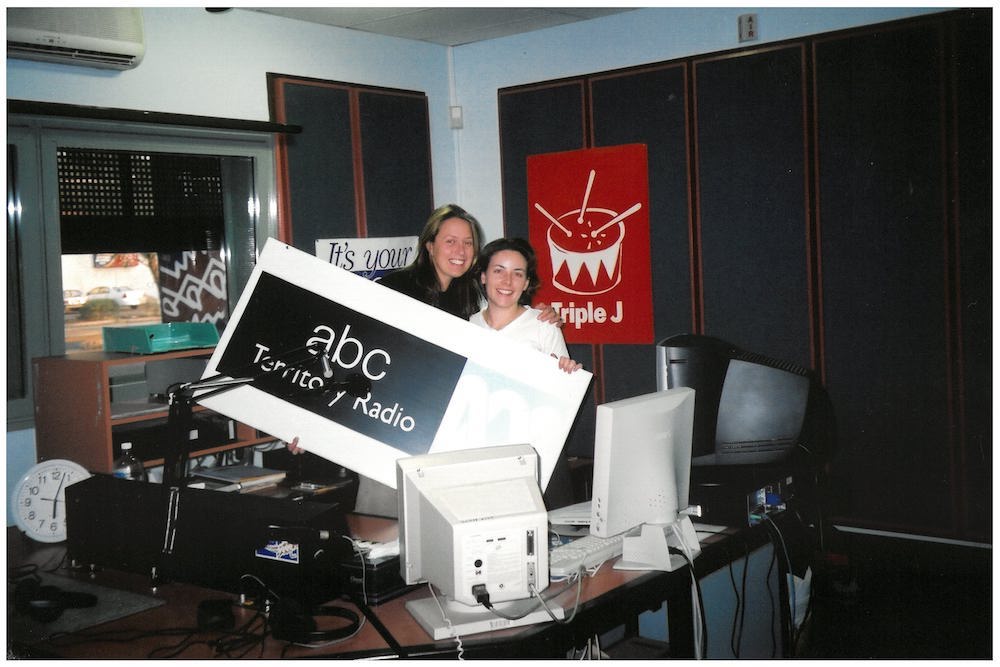
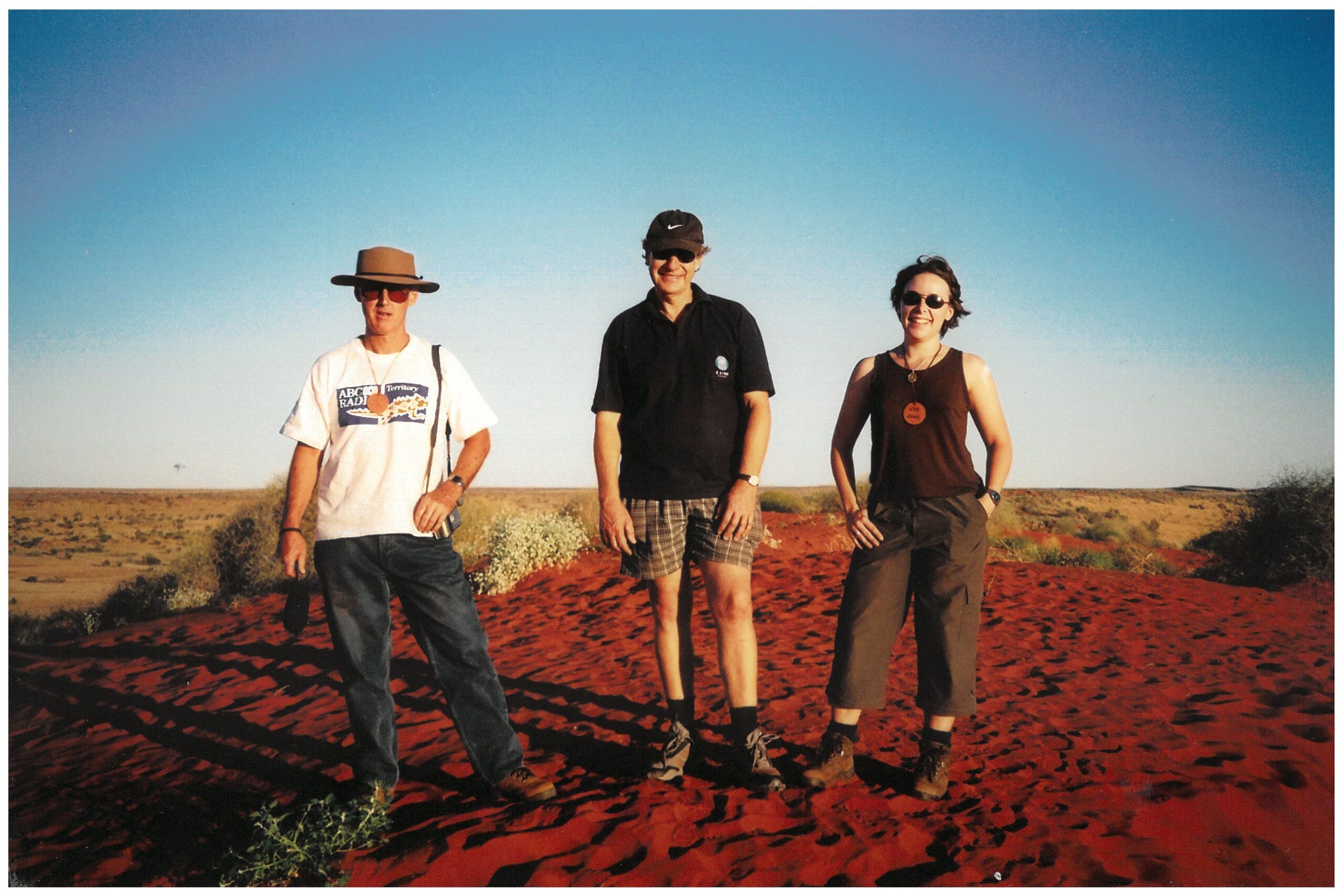
Leaving Melbourne at the start of my radio career for a short contract in Alice Springs turned into an 18-month stay, it was an incredible move that taught me solo producing, presenting, reporting, package-making, live crosses and the importance of radio in remote communities.
Returning from maternity leave was surprisingly hard, even harder the second time around with a baby and a toddler. When I returned to work I felt underprepared and I struggled to pitch ideas. I wondered if I still had what it takes and whether I should chuck it all in. I was lucky to job-share with some incredible colleagues, including Hilary Harper and Mary-Jane Fenech, we stuck it out and made it work. It did get easier with time.
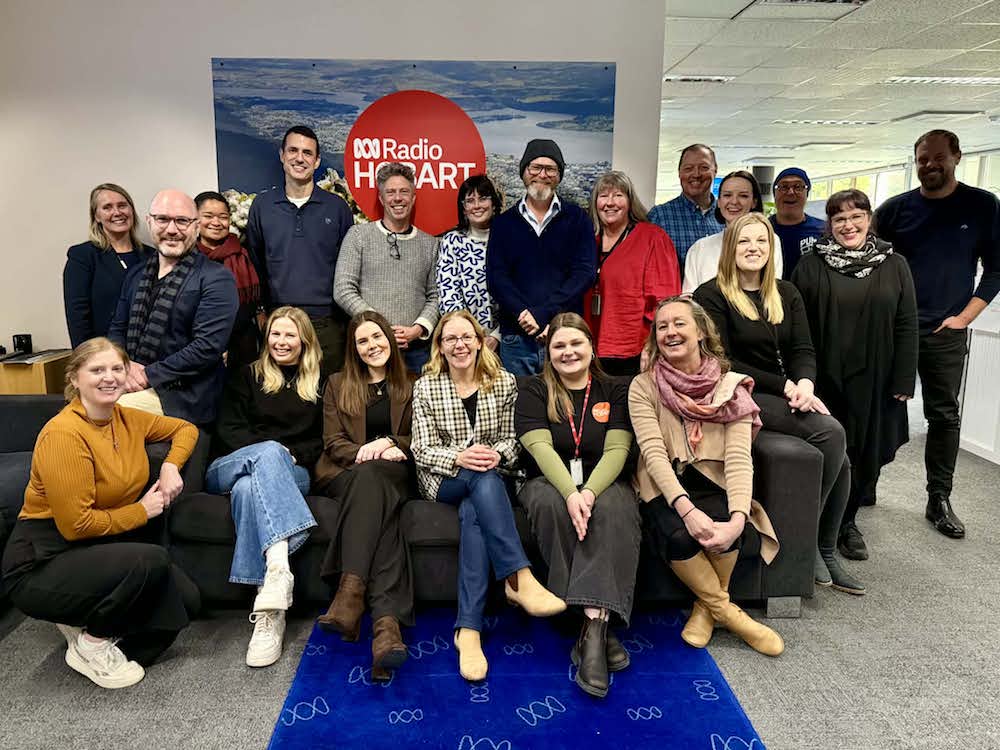
Decades later I moved again, to Hobart, to become Manager at ABC Radio Hobart. Stepping away from producing into a leadership role taught me an incredible amount about myself and the great rewards that come from building and supporting a great team.
6. What makes you happy? What makes you get up in the morning?
My family, our kids and our two cats, the radio, and coffee! I’m an optimist and I’m happy when I feel like I’m making an impact or a positive difference.
If I can fit in a run or a bushwalk in our incredible forests or on kunanyi/Mt Wellington here in Hobart, it’s a great day.
7. Share your words of wisdom for others in the industry or those wishing to work in the industry?
If you want a career when every day is different, you love working quickly and multi-tasking, you love telling stories, and you love teamwork with creative people, radio is for you! There is nothing like the feeling of working with great people to create a powerful moment and sharing it with the audience. And the adrenaline is addictive!
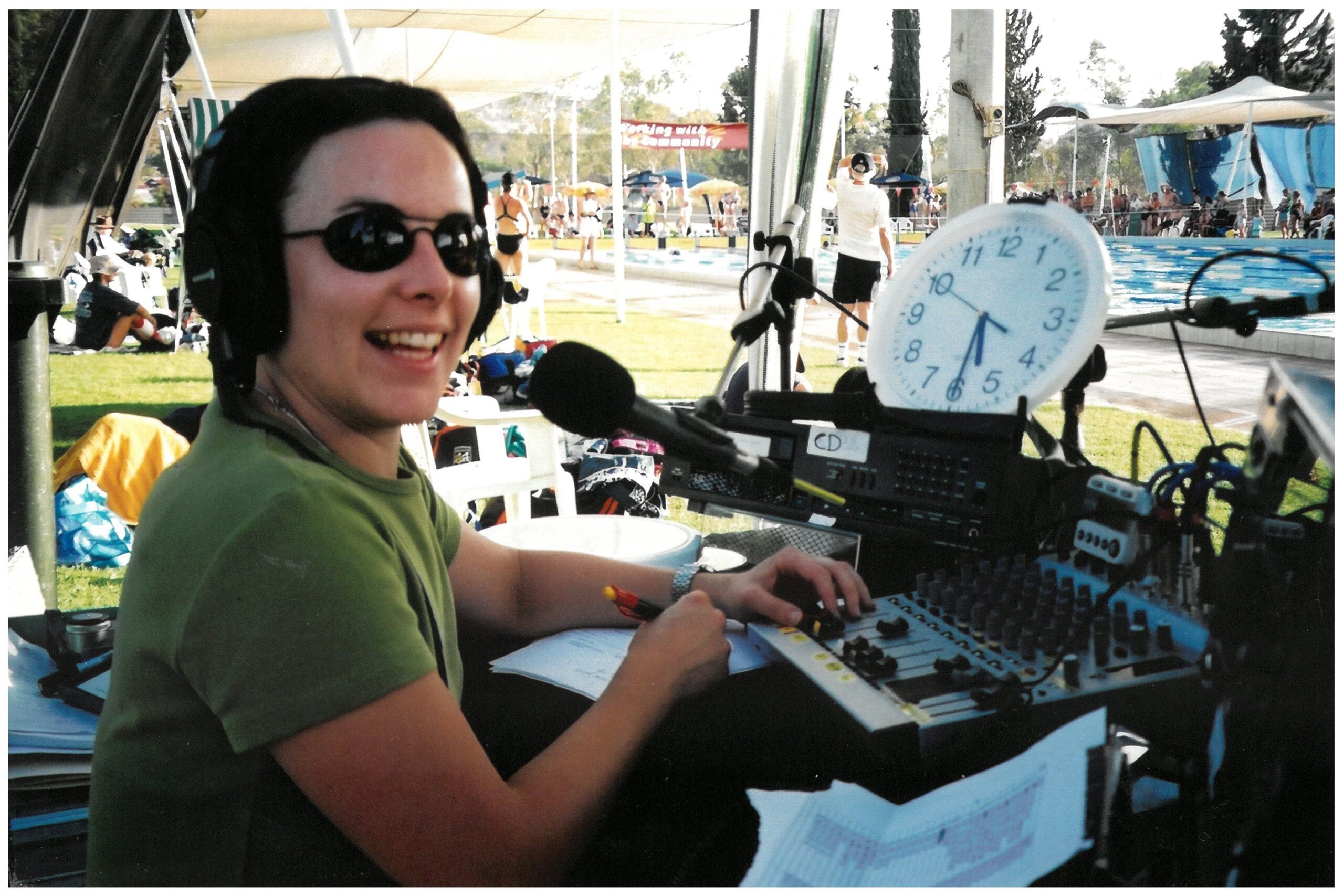
A media degree isn’t essential, but curiosity and tenacity are. People come to radio from all backgrounds, industries and previous careers – life experience only makes you a better broadcaster, producer or content maker.
Podcasting, vodcasting and social content means creatives can now make content, build a brand and an audience outside of traditional media. That’s a massive difference to when I started out. You don’t need a door to open as you can build your own door!
Be persistent, don’t take no for an answer. Don’t be scared to pick up the phone. Build your contacts, support and volunteer in community radio, learn and soak up as much as you can. Listen widely to radio and podcasts and follow industry newsletters like this one. You can’t listen enough! And if you get the chance to travel or work in radio in regional or remote Australia, take it.
Put the audience first and at the centre of everything you do. Who are they? Where are they listening? Is your content interesting and relevant to them? If not, why are you doing it?
8. Describe your vision for the audio media industry in the near future.
The media’s always been shaped by disruption, and AI is the latest. I’m confident that the audio industry will survive and thrive, hosted by humans, because at its heart the best radio is about human connection and innovative storytelling.
AI can only summarise what’s already out there. You, on the other hand, can create something completely new and surprising, with personality and heart.
9. What role would you like to play in shaping the audio industry of the future?
My current role is a gift in being able to support and invest in broadcasters and content makers across the country. We need free, fair and balanced public media now more than ever. I want to continue contributing my experience and passion towards a strong ABC for the future – it’s that, and the power of live radio and storytelling, that has always and continues to motivate me.
As Tasmania Convenor for Women in Media I’m also working to connect creatives across the industry. There are so many incredible women creating and leading audio across Australia – I want to shape a future where a rewarding audio career, leadership and strategic influence are possible regardless of where you live and work.
Series compiled by Serena Ahern for radioinfo.
If you have a suggestion for someone to be considered for this series, please send a note to [email protected]
Previous articles in the Wisdom of Women in Media series: