
Quick Links:
John Schoolcraft, the former Chief Creative Officer of Oatly thinks Marketing Departments get in the way of creating great brands.
The secret to the success of Oatly was integrating everyone with a marketing role into a ‘maker’ role. John and the handful of people who eventually joined him to do the marketing functions were included into business meetings, production process problem solving, finance meetings and everything else to do with making the product.
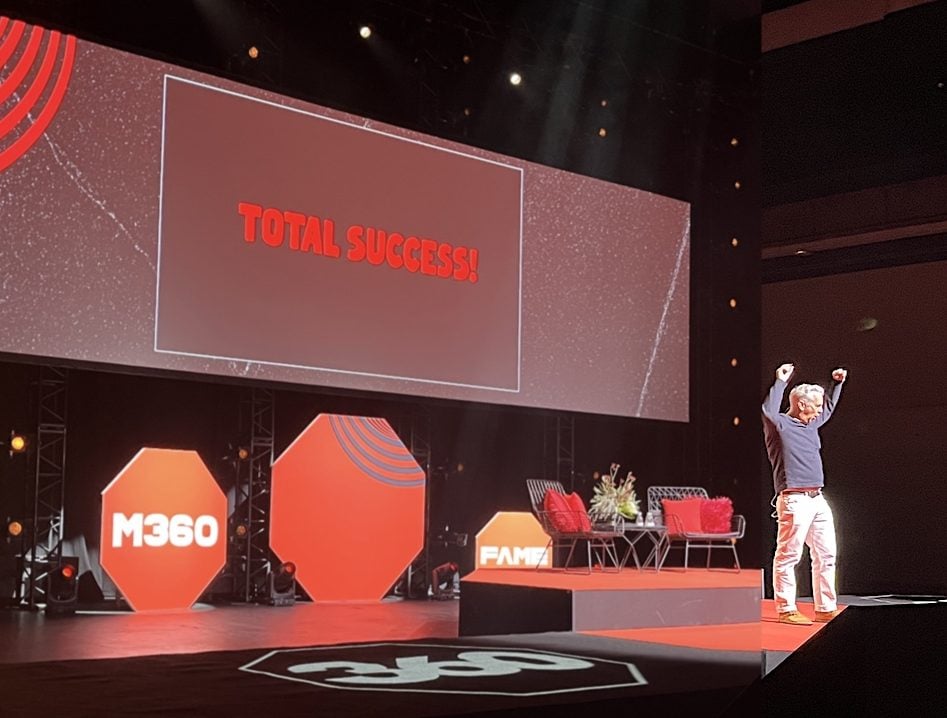
He told the Mumbrella360 conference that Oatly’s marketing team (which was just him for a long time) joined in with the passion of the business, which is to make people healthier by providing an alternative to cows milk.
You can be a ‘maker’ and still have a marketing role, but when Marketing Departments are full of people who are not involved with making the brand, that is when creative ideas are stopped by analysis paralysis. “It’s all about the culture of the organisation,” he said.
“We stopped playing the game of marketing. When you put creatives into the business part of the company, it brings an anti-authoritarian thinking that can also solve problems.
“By doing things differently it made us impossible to copy as a brand. It also got people to drink more oat milk, which helped people to eat better and live better lives.
“We removed all the filters that get in the way. It made oat mlk into a global phenomenon in ten years.”
Not everyone liked the Oatly approach. The Swedish milk industry sued the company for misleading advertising in this ad:
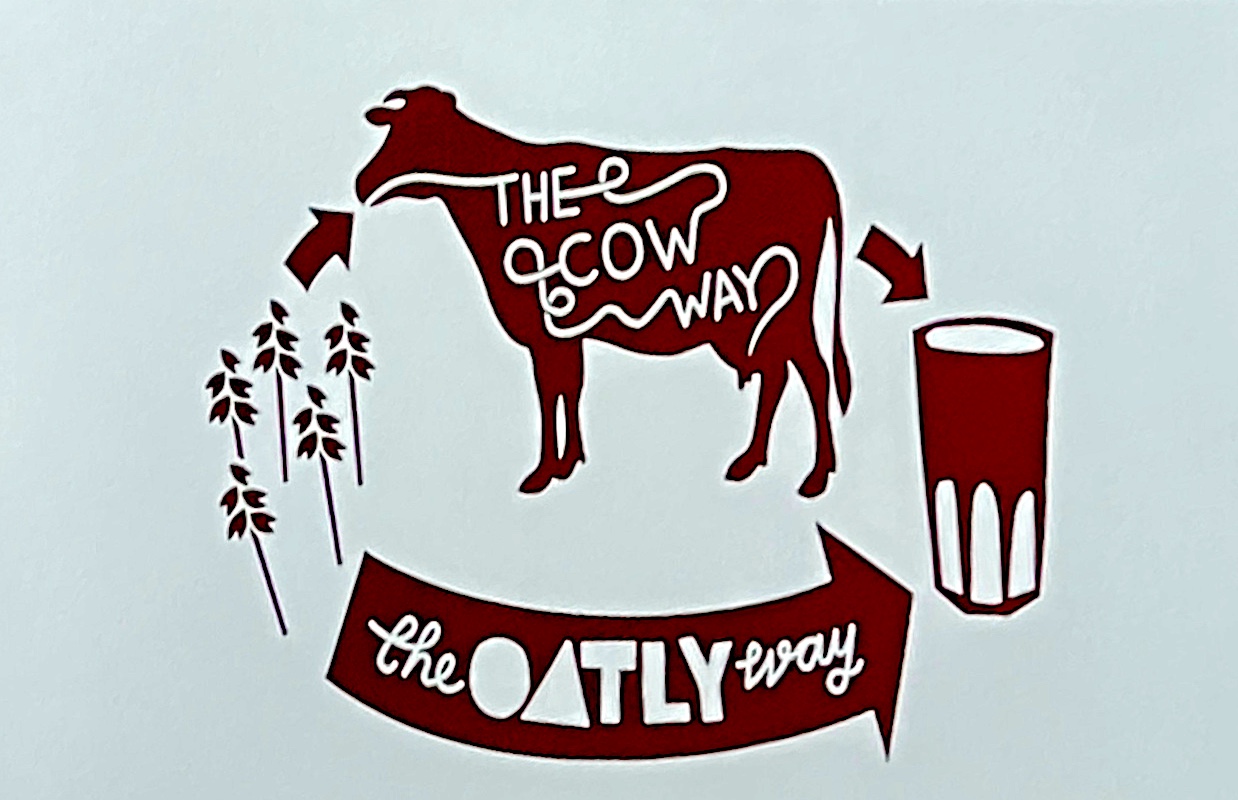
The lawyers alleged false advertising because milk “doesn’t come from that end of the cow.” So Oatly put the whole 150 page legal document on the internet and used it in its marketing campaigns.
What did John learn from doing marketing differently?
- You don’t need a CMO or a marketing department to build a great brand. You can have one, but you don’t need one. Prioritise makers over approvers.
- The CEO is the most important person in creating a brand. If they don’t understand creating a brand, leave the company.
- Inviting creatives into business meetings puts them in front of the brief. They will help you solve your business problems.
- Remove everything that gets in the way of a world class brand.
- Let the people making the ideas approve the ideas. And give them the budget to execute the ideas.
- Trust is everything. It builds culture and collaboration. It allows you to be secure when you have setbacks.
- Failure is the best way to grow.
- Don’t try to make people like you.
- Help people to get emotional about your product.
- Let your people do the best work of their lives
The object of the company’s branding and marketing was to communicate the messages and feelings at the heart of the business and to get noticed.
When they finally had enough money to book ads in the American Superbowl (it was covid and ads were cheap that year) they kept to their philosophy of simple ads with a message. They put the ad they had made previously with the CEO singing about oat milk.
“We wanted people to hate it.”
They did… and it cut through.


Highlights from other sessions of the Mumbrella360 2025 conference
The Fame Game – From Transaction to Interaction:
In this session, Laura Nice and Guy Burbidge unpacked how to earn fame (versus buy it) by rethinking how to play. Here are then key points:
Fame drives fortune. Make the right amount of noise at the right time to make an impact.
Flip the narrative. Treat fame not as an input but as an output.
Fame connects with culture to create meaningful connections.
You have two primary roles – connection and purpose. Align with like minded audiences and their purpose.
There are 3 types of culture –
- Broad strokes
- Subcultures within a culture
- Culture flash
Get Permission to Play. It is not just about turning up, but the question is, should you be there in the first place. Consumers can see through false approaches. You need to have a consistent voice and consistency of presence with the consumers, not just a good idea in a brainstorm.
Follow the tentacles. No single platform owns culture any more. Look beyond the obvious channels, the whole is greater than the sum of the parts.
From Hype to Reality, how AI is revolutionising content creation
AI has matured from future fantasy to commercial necessity. Marketing budgets are in double digit decline while the requirement for content inches ever higher.
A session discussing the collaboration between the Endeavor Group (a drinks company) and marketing agency Howatson+Co explored how AI is replacing traditional methods of asset creation and automated rollout, and the new agency roles and processes that enable it.
Key points included:
- AI is transforming traditional production models. If you’re not on the front foot, you’ll fall behind.
- Consumer data privacy is a real threat –brands should look to train their own AI models, not use open models.
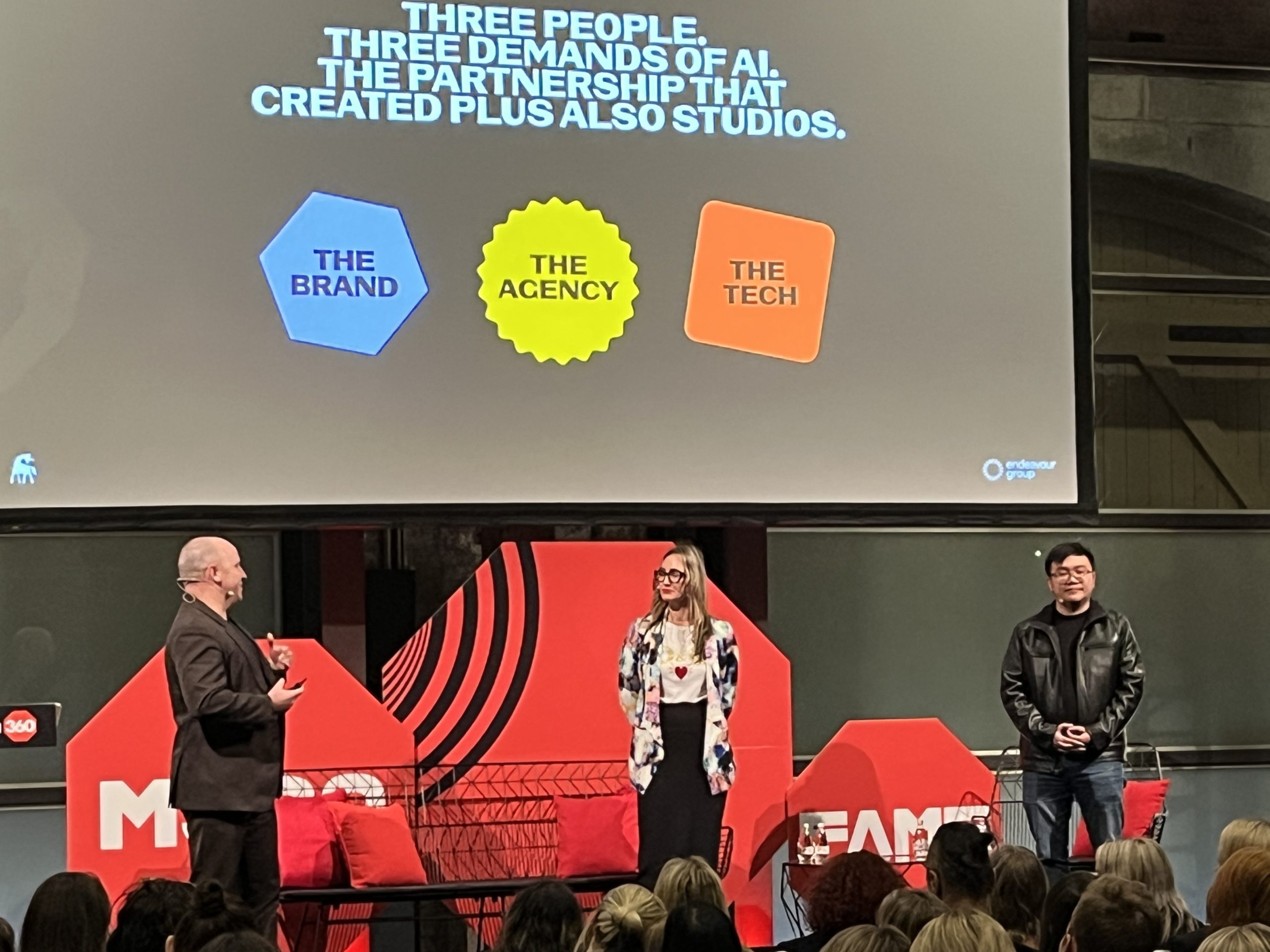
Endeavour and Howatson are working together to develop new ways of marketing in the new AI era.
“We discovered that we needed the human intelligence more at the business end, and less at the creation and delivery end [because of new AI tools]…If you could create more without increasing the time or cost of doing it what would you do?”
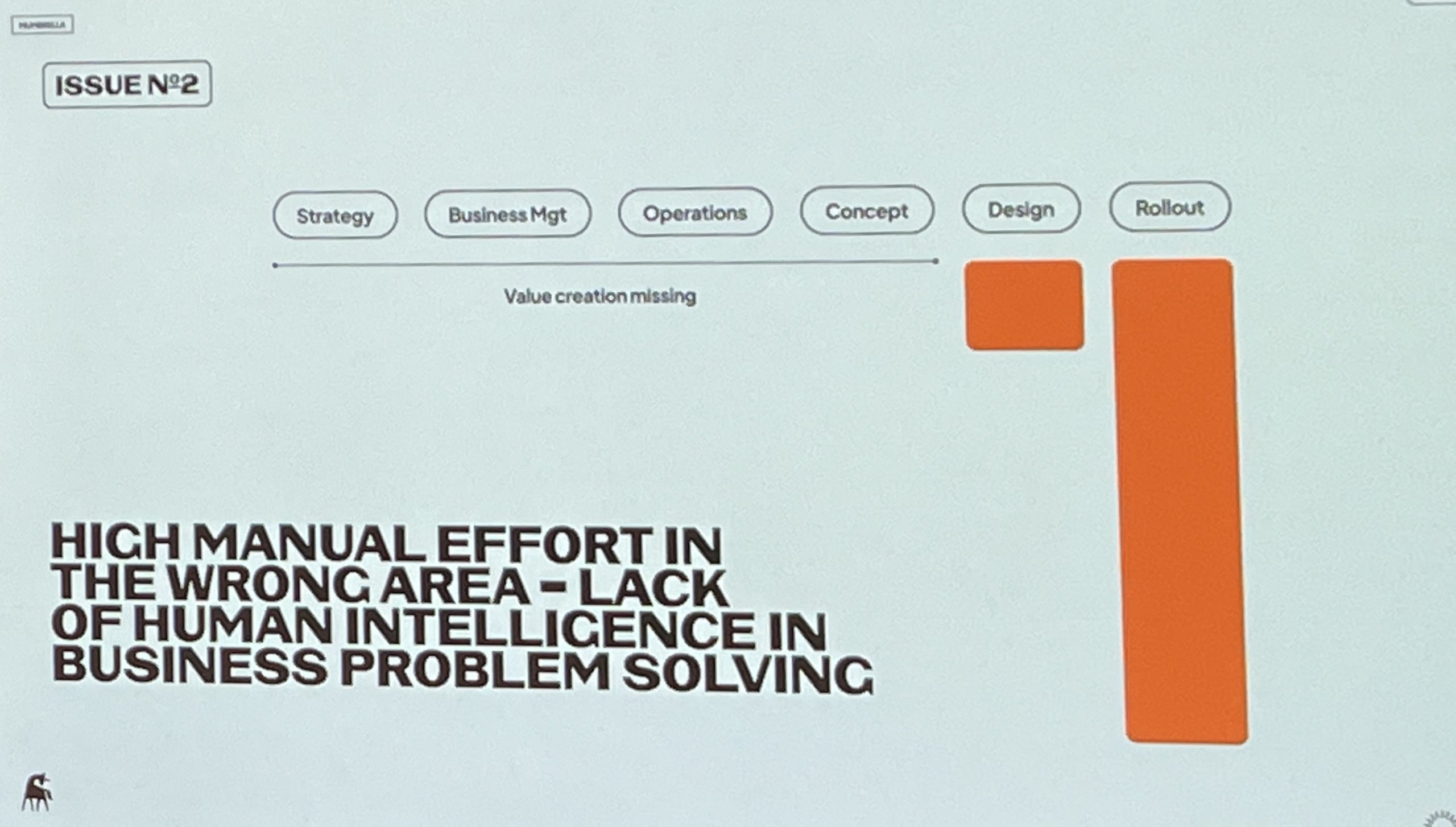
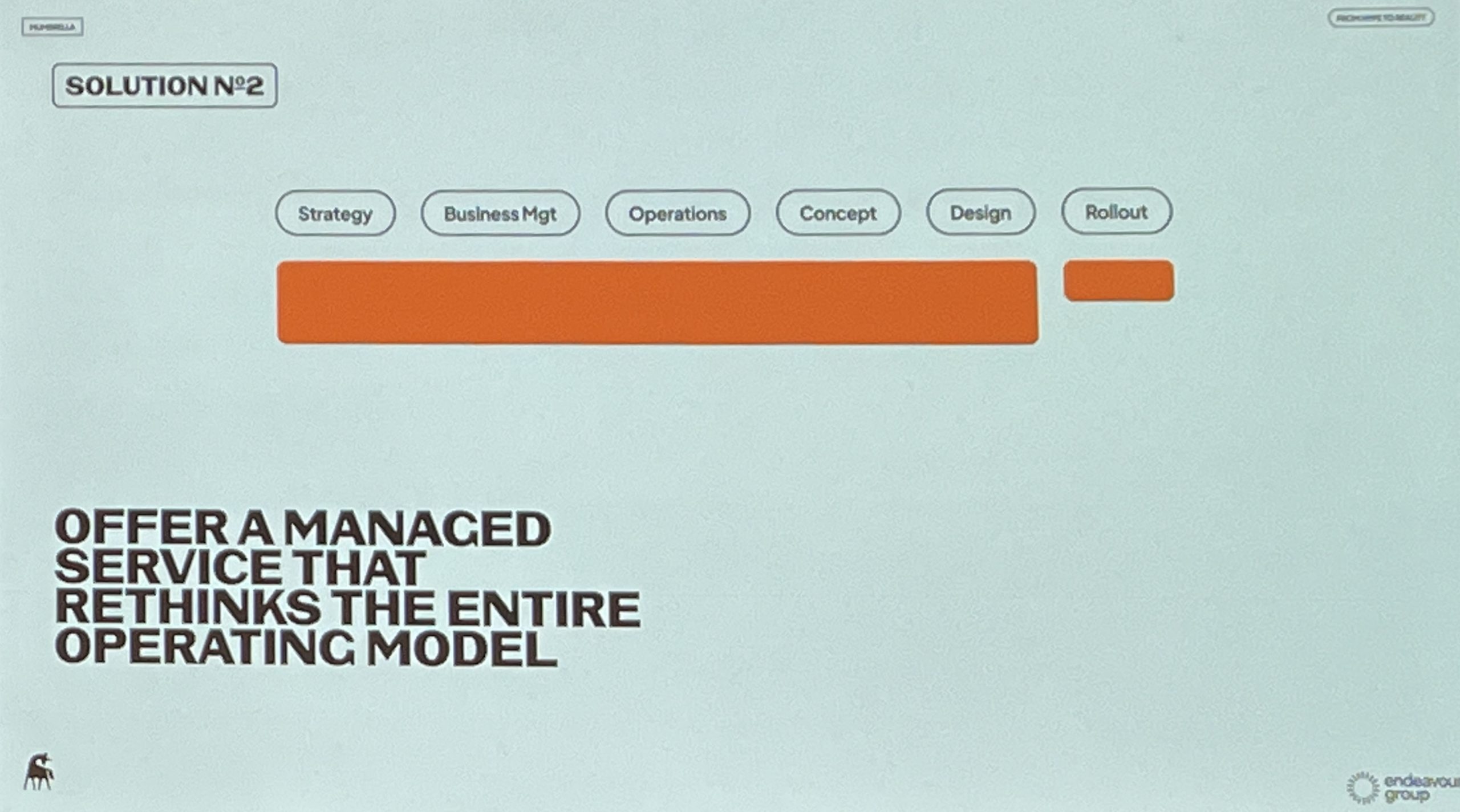
They collaboration between the two companies is now developing a managed service that is “rethinking the entire business model” of marketing.
AI Tools can help designers develop catalogues with variations across size and layout all automated, allowing faster production time, rather than being manually laid out by a designer over many hours.
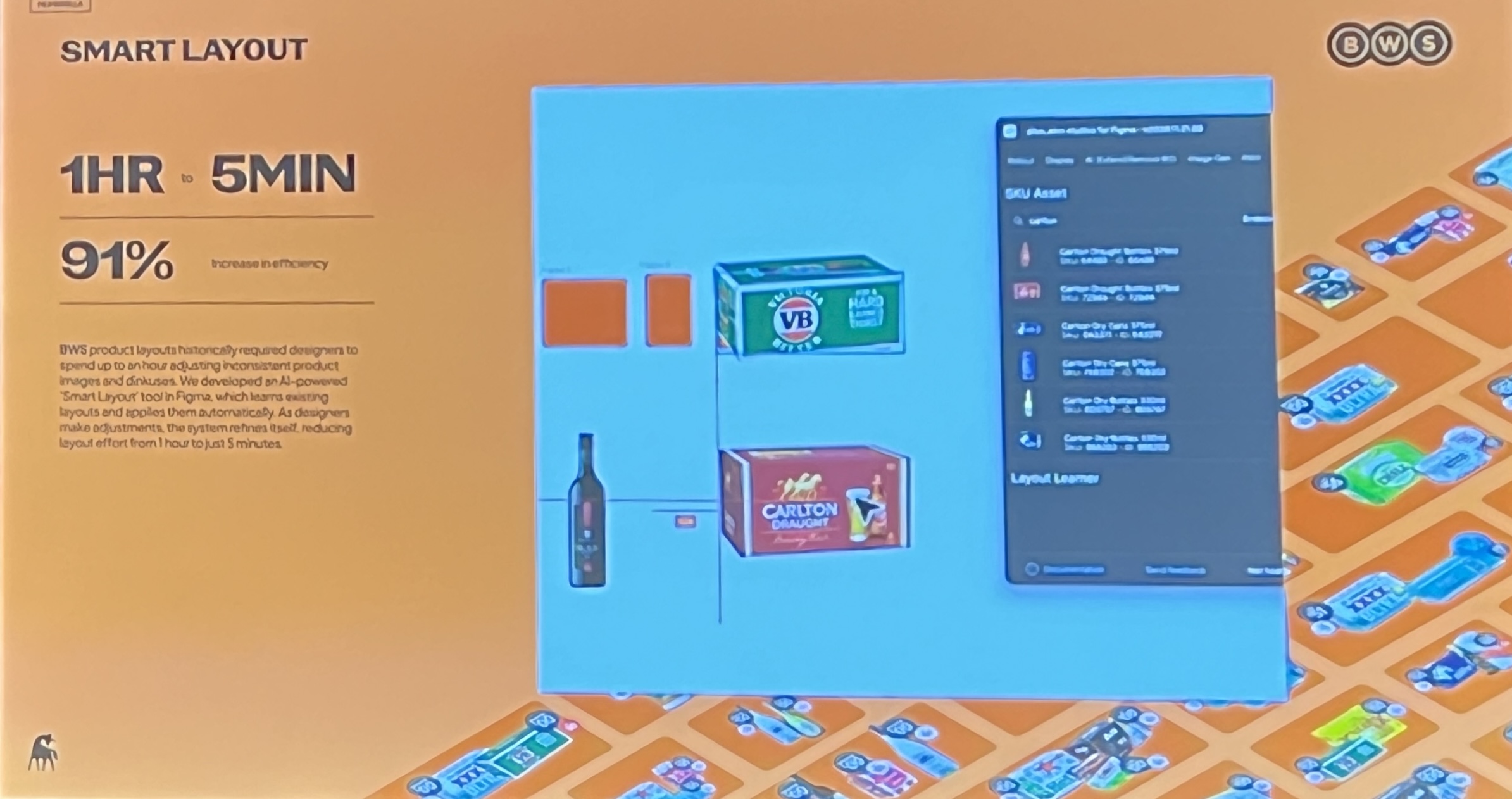
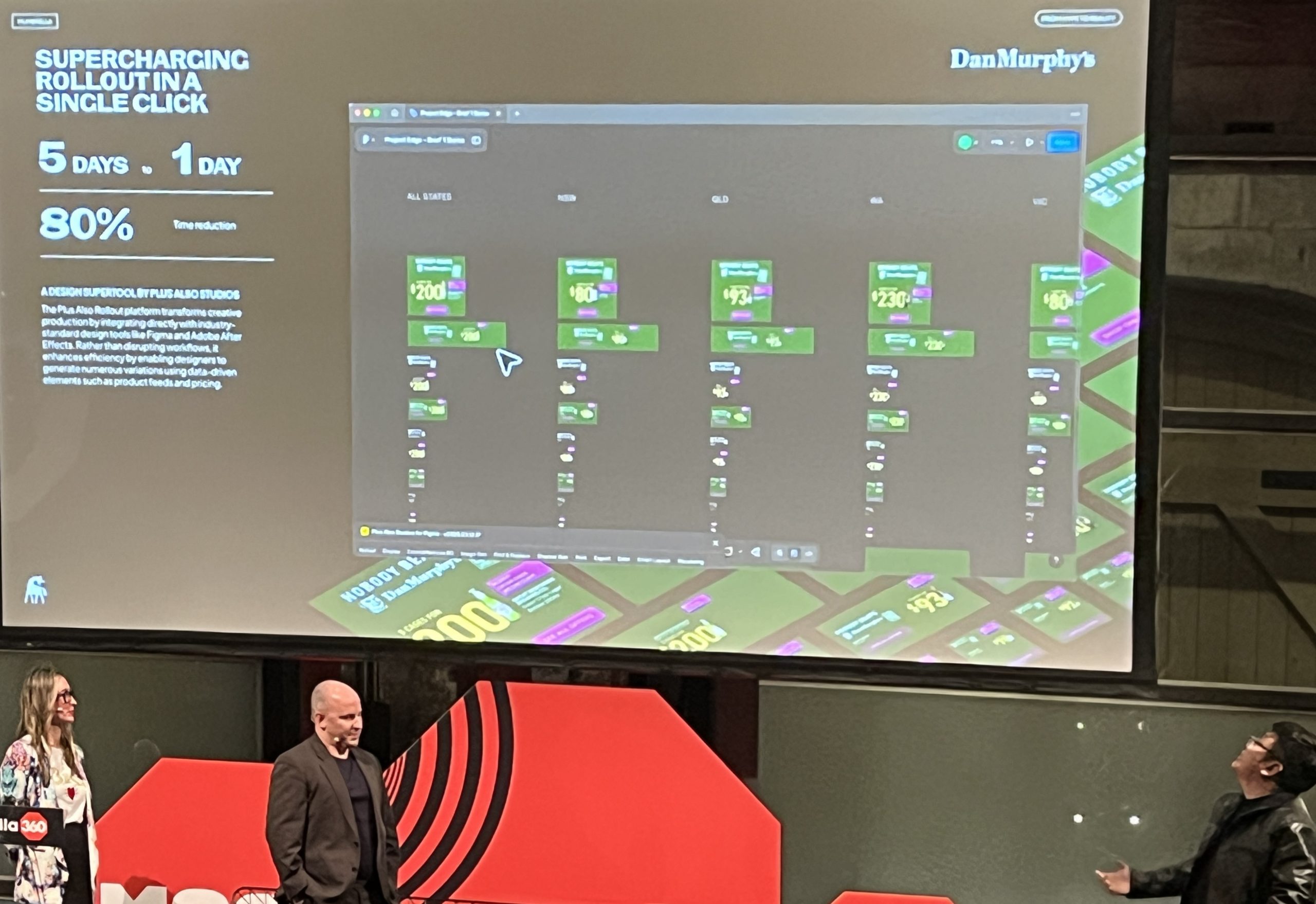
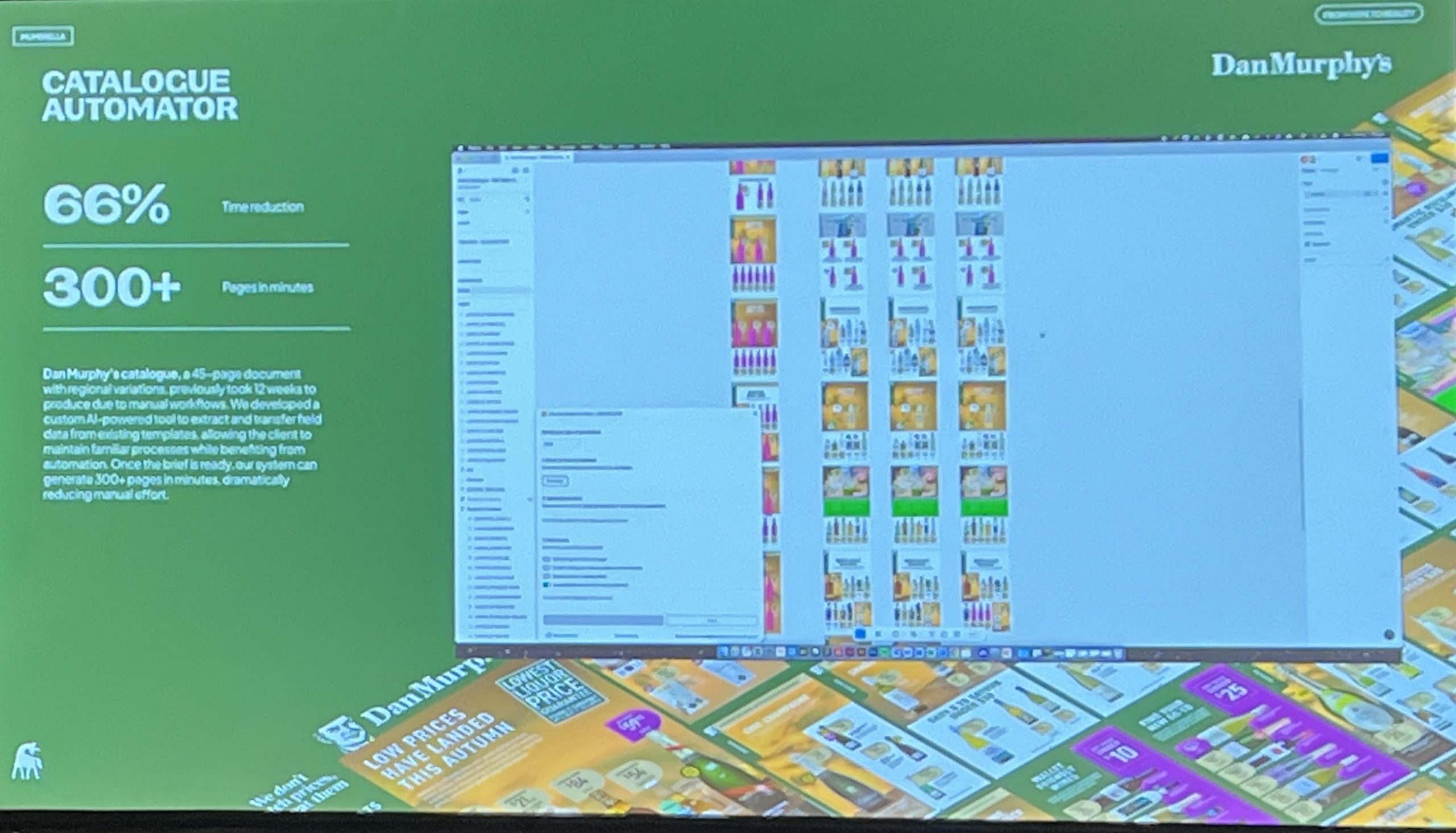
Hoang Nguyen demonstrated the tools, and Katie Dally and Chris Howatson explained how the client and the agency are working together to deploy new tools and develop new methods of working.
The Creator Era: How brands are scaling their influencer strategies
Creators are becoming brands in themselves.
Australian is a big market for Tiktok, but the way we utilise that trend is changing. When using TikTok began, audience size was important (long term macro influencers), but now there are other formats. “Tiktok is now more about great content than macro influencers, so now we are looking for micro-creators who make content that works for us.”
Brand safety always comes up as a major concern for advertisers. You can get around that now by using AI. In the past, manually looking at the entire history of the content creator was time consuming. Now AI can scan all content and flag it for you. “Humans can make the decision in the end, but AI allows marketers to to focus on the content and the reputation of the influencer.”
In the session, Kate Gildea, Amanda Bosch, Jessica Wood and Ben Gunn offered this advice:
- Not every trend is the right trend for your brand.
- Avoid the trends that only last 24 hours.
- You have to move at pace and trust the creators you are working with. They are creating content to keep an engaged audience, so brief them well, engage them, then trust them to deliver the content you want. It is ‘creator control with guard rails.’
- They will come up with ideas you never thought of. Supply the tag lines and traceability then give them freedom. You’ve got to trust that they know their audience and they will find a way to bring your brand to their audience.
- Creator content usually outperforms brand content.
In a later session hosted by Nic Christensen there was also some more advice about using creators:
- Keep boosting the same creator content at various times, don’t just use it once.
- Consistency through the lens of authenticity is the best approach.
- If you are building brands use an ambassador, but if you just want to move product, just use a familiar face, a long term relationship with the creator is not necessary.
- The theme: ‘I met my younger self for a coffee’ is a good idea to leverage ‘advice’ content