
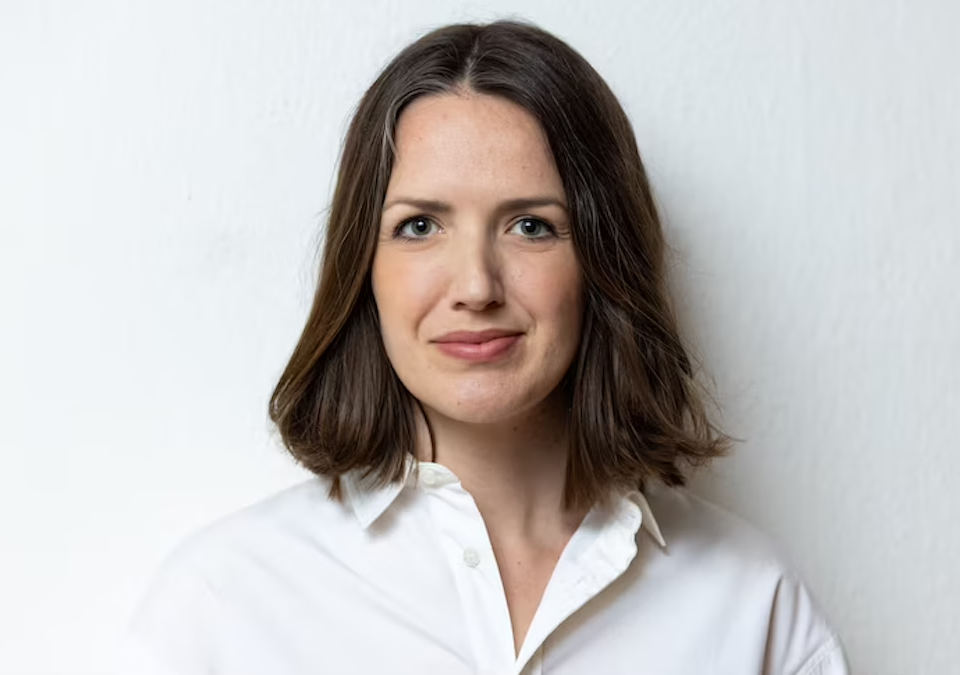
Having just celebrated success in the Australian Audio Awards for the ABC, Jessica Radburn Head of Audio on Demand, is our twelfth and final profile for this series. Jessica has had a varied career, beginning in law, and is now in media where she thrives on the creative possibilities.
The series, Wisdom of Women in Media explores the career and personal journeys of women in the audio media industry. The aim of the series is to reflect on the wisdom they have gained, to mentor and to share their hopes for the industry.
1. Describe your current professional life and your stage of life.
I’m currently the Head of Audio on Demand for the ABC, responsible for the ABC’s podcast strategy, podcast production, content and curation of the ABC Listen app and also our digital audio operations team – the digital side of audio.This is increasingly slipping into the video realm with a lot of our video podcasts starting to come out.
On the personal side of things I just recently returned, to Australia after 10 years overseas with my husband and two young kids. We’re very much enjoying getting back into the nature of Australia and being with family and friends.
You’ve been working all over, in places like Berlin and New York. Tell me about that?
I had the opportunity over 10 years ago to take a role in New York and from then, I’ve said yes to everything, working with my husband to navigate that. We had a few years in America and just over 7 in Berlin, which has been so much fun.
2. How did you come to be in this industry?
In a way, slightly accidentally, as I studied law. I became a corporate lawyer and it just didn’t feel right but changing industries is quite difficult. I was fortunate enough to be offered a job at the ABC so I took a pay cut. I worked in business affairs at the ABC, helping all their screen projects. It was a nice crossover between the legal and the creative.
I then got a call from a recruiter at Audible, who was looking for someone that had experience working with publishers, with negotiating, who loved content. It was just a perfect fit for me because I was actually obsessed with audio storytelling as a kid. I had all of the books on tape. It was a big part of my childhood.

I felt that this was really rich in potential for creativity in a new direction. It also was a challenge because at the time, audiobooks weren’t mainstream. They were mainly for children, the old, and the blind. The challenge was to try and make them a mainstream offering in Australia. That’s where I started and evolved as podcasting became more widely popular.
I got the opportunity in New York to work with a colleague called Eric Nuzum, who was at the forefront of podcasting in the US, and I fell in love with the medium. Since then I’ve been working with creators around the world to understand what shape that takes in their country.
3. What are your core beliefs? How are your values evident in the work you do or the life you lead?
This was one for me to mellow on and it’s actually something I’ve been thinking about getting better at defining, because it helps explain to people how you want to work and collaborate.
For me, a key one is empathy. It seems like a soft skill, but I think it’s just such a core value, it runs from caring about the audience deeply and what they want. It shows up in my people first leadership approach, how I share feedback, which is pretty direct, but comes from a place of empathy, trying to get everyone on the right track.
Another one is ownership. I’m a huge believer in people having agency. Being supported and running with something, but also then needing, in return, for them to take on a longer term approach to what they’re doing. It’s stepping away from ego, everything we do has a flow on effect. When that works, you can see people just run with the space and it’s a true delight.
The other one is constant creativity and experimentation, particularly in podcasting. It’s changing every day so I get my teams to be comfortable with trying things and note what’s not working, owning that and learning from it.
They are 3 key values that really stretch into my personal and professional life.
4. How did your education, formal, and informal, enrich your life/ career journey?
I’ve been so lucky. I had a great education but my informal education has been the most directive. I’ve had some great managers and mentors, who have helped me along the way and I soak that up.
I’m constantly looking at trying to help my team create better shows for the people we’re serving.
A couple of people to call out, one I mentioned earlier was Eric Nuzum, who set up podcasting at NPR and then Audible. He showed me the power of podcasting done well. He released a show called West Cork when we were working together and it was incredibly transportive how it showcased a story. He had a wonderful way of building teams that I really admired.
I also had a fortuitous relationship with Deirdre Brennan, who ran children’s television when I was at the ABC. She was very generous with her knowledge and time, even going through to when I was in New York. We were there at the same time together. She also had one of those curious minds, constantly trying to make better content for kids, but also had a wider impact on the ecosystem of the ABC. That’s something I care a lot about.
Another fantastic manager, Michael Treutler, took a leap of faith on me and gave me a job to help set up global content, at Audible. We worked with teams across Europe, India and Japan. He had an interesting approach to holding so many different audiences and cultural ways of working in his head and bringing people together to collaborate, that really shaped the way I work.
This could involve showcasing different ways of creating content, to meet those audiences, showing how certain stories could travel, but certain shows, particularly comedy could not. It was never about trying to create a coherence that watered down a culture’s individuality. That crossed through to how he managed teams and I’ve tried to adopt that approach. I had direct reports, each from a different country, that brings a different way of working, discussing and providing feedback. From him I learnt to be comfortable changing how I managed to help them to succeed, rather than having a one size fits all approach.
You would have been responding to each team, in an individual way and being culturally informed about the way they worked?
We did this fascinating session. I’m obsessed with a book called The Culture Map, because the research and stereotypes about cultures plot where you are on a schema of things. This includes: direct feedback or indirect feedback, building relationships first, being mercurial and transactional. We shared this with my team. It helped everyone understand the other. My Japan report, understood why my German report was so direct and that it wasn’t cruel. It’s just how he communicates and equally, taking a bit more time with the Japan team to build that trust and relationship. It was a valuable experience.
I noticed that you spent time studying in Italy as well. How did that come about?
Oh, that was so lucky. I wanted to be an animator, but from some advice at the time I heard that animation wasn’t such a big industry. They suggested ‘why don’t you study law and do that on the side.’ Since then I’ve constantly been trying to bring the business and organisational side and the creative side together. Italy was a good chance to do that. It was a very interesting course where I got to study luxury, fashion management and design in the middle of a law degree. I had a wonderful time.
5. What are some of your key decision change points and how did they shape your career/ life journey?
I mentioned the law to media. That was scary because I had a path plotted, but it just didn’t feel right. It was a big leap of faith but I wanted to do something a bit different.
Another one was when I had my first child. I was working at Audible and I loved the job. I was working with this incredible team on shows that crossed languages and countries.
I got an opportunity to establish international podcasts for Wondery, which was one of the leading global podcast companies at the time. That was a big decision point for me because, I thought about staying during this big personal pivotal time in my life, staying with something that I knew how to do and I loved.
Equally to start something from scratch is something that you don’t ever get that chance again, and I was deeply impressed by the man that ran content for Wondery, Marshall Lewy. I thought I could learn a lot from him and the person that ran international commercial, Declan Moore. It was a huge leap of faith. I got thrown out of my comfort zone, but I think it was one of the more pivotal growth moments in my career.
You’ve been very brave with the decisions you’ve made along the way. Where does that belief in what you can do come from?
Sometimes it’s not there to be honest, Serena. As I said, I’ve been lucky with some great managers. One from the law firm gave me this advice long ago: ‘as things come up, just think very carefully about how it suits you now and where you want to be in the future.’
In media, because it changes so much, being static isn’t an option. That drives it.
I’m also intensely curious.
My husband, my immediate family, my friends are very encouraging and supportive. Whenever I come up with a crazy thought, they are incredibly supportive and back those decisions. I couldn’t do it without them. I take up a lot of people’s time I think, but they’ve been wonderful supports.
6. What makes you happy? What makes you get up in the morning?
On the personal side, it’s definitely my family. I’ve got a wonderfully supportive husband and we’re both fiercely independent. We support that in one another and my kids.
On the professional side, I’m just so lucky. I go to work every day with very brave, intensely creative people and that passion shows up in everything. It means that every meeting is interesting. Everyone has a point of view, and I thrive in that collaborative, constructive and debate filled environment.
7. Share your words of wisdom for others in the industry, or those wishing to work in the industry?
I feel like I’m still figuring it out, but these are key so far:
Staying curious.
Sticking with the audience obsession, not the platform obsession. That will help everyone evolve in this year where it’s gone from audio to video, and exclusive to having your shows everywhere.
Embracing ambiguity, that comfort in the discomfort and change. It’s not easy and I don’t think anyone has it naturally, but it’s something to try and cultivate.
One of the things I love about podcasting is it’s such a low barrier to entry. You still see examples of where big shows came from a single person or a small team, that’s what keeps the medium fresh and innovative.
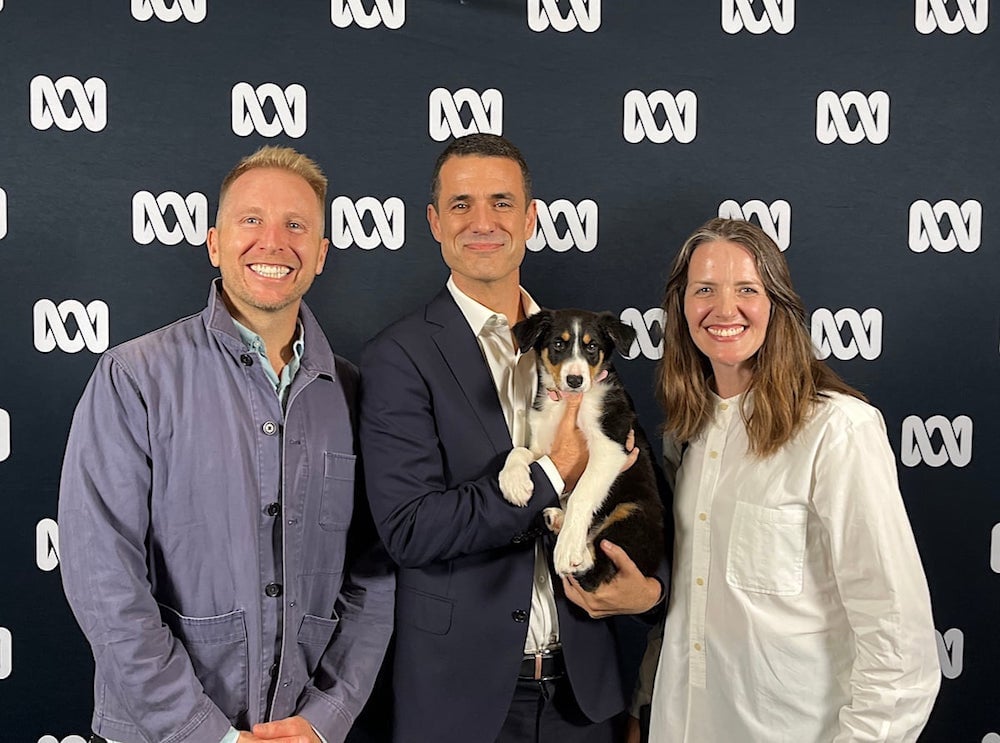
8. Describe your vision for the audio media industry in the near future.
We talk about this all the time. It’s funny. It’s such a uniquely global, ever changing space, and I’ll focus on podcasting for this one, even though it’s much broader. I think this applies, great storytelling is going to travel across audio, videos, social and live experiences even more than it does today, but we need to keep that human connection at the centre. It’s what makes audio special and seeing it expand into video that’s something I’m trying to hold onto.
I equally hope for and hope to influence a future where we’re creating a really sustainable audio media landscape and ecosystem, where independent creators and audience plus public and commercial institutions alike can build in this space together. As it’s only just hit the mainstream, we’ve got a lot to do to ensure that it continues to be a part of the audience’ lives.
9. What role would you like to play in shaping the audio industry of the future?
I see my role as a connecter. I really like to be part of helping to build and support that sustainable media ecosystem.
I mentioned that I’m a big believer in championing future talent. We set up the New Wave Program, to bring in more voices that wouldn’t normally cross our paths, then creating really entertaining and funny podcasts like, The Grill and Granny Bingo.
Just ensuring that we’ve got distinctive storytelling that cuts through and can be found in a really fragmented media landscape, that’s something I believe in. The ABC for example has an incredible depth in journalistic talent. Making sure these stories cut through and can be found by audiences is something I’m focussed on helping, with our own ABC Listen and also with third parties.
Series compiled by Serena Ahern for radioinfo.
If you have a suggestion for someone to be considered for any future series, please send a note to [email protected]
Previous articles in the Wisdom of Women in Media series:
(Images: Radioinfo & ABC)