
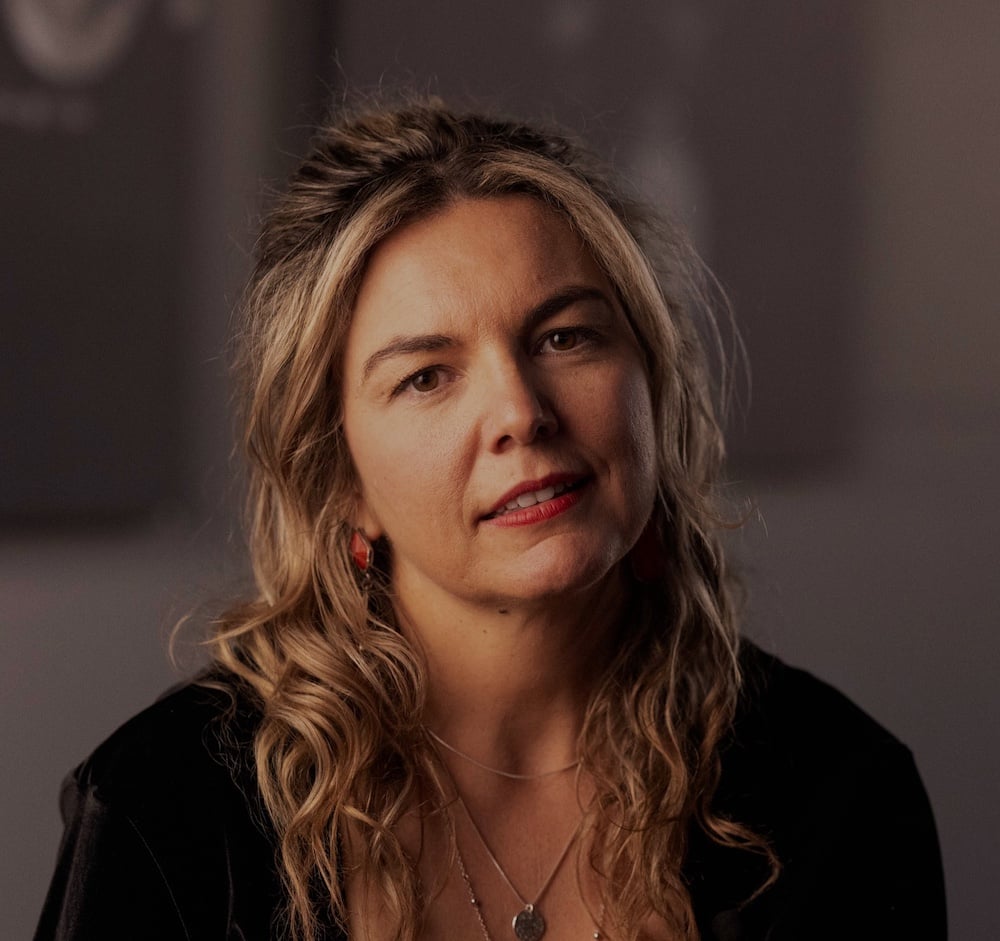
Eliza Hull, Powerd Media Lead for the Community Broadcasting Association of Australia is our tenth profile in this series. She was recently awarded an Order of Australia Medal (OAM) for disability advocacy and service to the arts. She is proud to be creating opportunities for young people to see themselves in media and advocating for a music industry that is inclusive, accessible and reflects the talent of artists with disabilities.
The series, Wisdom of Women in Media explores the career and personal journeys of women in the audio media industry. The aim of the series is to reflect on the wisdom they have gained, to mentor and to share their hopes for the industry.
Describe your current professional life and your stage of life.
I’m working currently at Community Broadcasting Association of Australia for Powerd Media. My role is Powerd Media Lead.
We are a media platform by and for people with disability, and create media including digital articles, podcasts, video and more.
Throughout my career I have worked across radio, audio production, producing, music and advocacy, and increasingly those worlds intersect. As a producer, I focus on telling stories that aren’t always heard, particularly from disabled people and other underrepresented communities, while continuing my work as a musician and songwriter.
I’m also a parent, which has added a new layer of perspective and grounding to everything I do. It’s a full and busy stage of life, but one where I’m really intentional about creating work that is meaningful and impactful.
2. How did you come to be in this industry?
Storytelling has always been central to what I do.
I started in music, drawn to songwriting and sharing stories through that medium. I was also always equally interested in how media can connect, challenge perceptions, and bring people into different lived experiences.
Moving into radio presenting and producing felt like a natural extension.
At the same time, my lived experience as a disabled person shaped my path. Not seeing enough representation pushed me not only to create, but to actively advocate for change within the media industry.
I was lucky enough to receive a scholarship with ABC and created the audio series ‘We’ve Got This’ with Radio National. The series was a really big success and then went on to become a book of the same name. I kept producing audio packages for Radio National, and then went onto producing for ABC Breakfast Radio, working for Current Affairs at ABC Sydney, and producing TV for ABC Kids.
3. What are your core beliefs? How are your values evident in the work you do?
I believe everyone deserves to be seen, heard, and valued, and that media has a responsibility to reflect the diversity of the world we live in.
Access isn’t an afterthought, it’s fundamental.
These values show up in the stories I tell, the people I platform, and the way I approach both music and media.
Whether I’m writing a song or producing a podcast, I try to centre authenticity, empathy and equity, and to create spaces where people feel safe to share their experiences.
4. How did your education, formal and informal, enrich your career/life journey?
I studied a Bachelor of Media and Communications at RMIT and then did a Diploma in Education, this created the foundation in storytelling and communication, but so much of what I’ve learned has come from experience: both in radio plus producing media and storytelling.
I’ve learned by doing: through interviews, producing, collaboration and through my advocacy work.
I’ve also learned from the barriers and setbacks I have faced as a disabled person, particularly when access wasn’t considered. Those moments have shaped how I now approach my work, especially as an advocate and creator of media.
I have a physical disability ‘Charcot Marie Tooth’ that impacts the way I walk, I fall over regularly and find it difficult to manage steps.
Throughout my career I have faced many barriers, but I feel that’s probably made me even more determined!
5. What are some of your key decision change points and how did they shape your career/ life journey?
There have been moments where I’ve had to pause and rethink how I work.
Early on, I tried to fit into an industry that wasn’t designed with access in mind, which led to burnout.
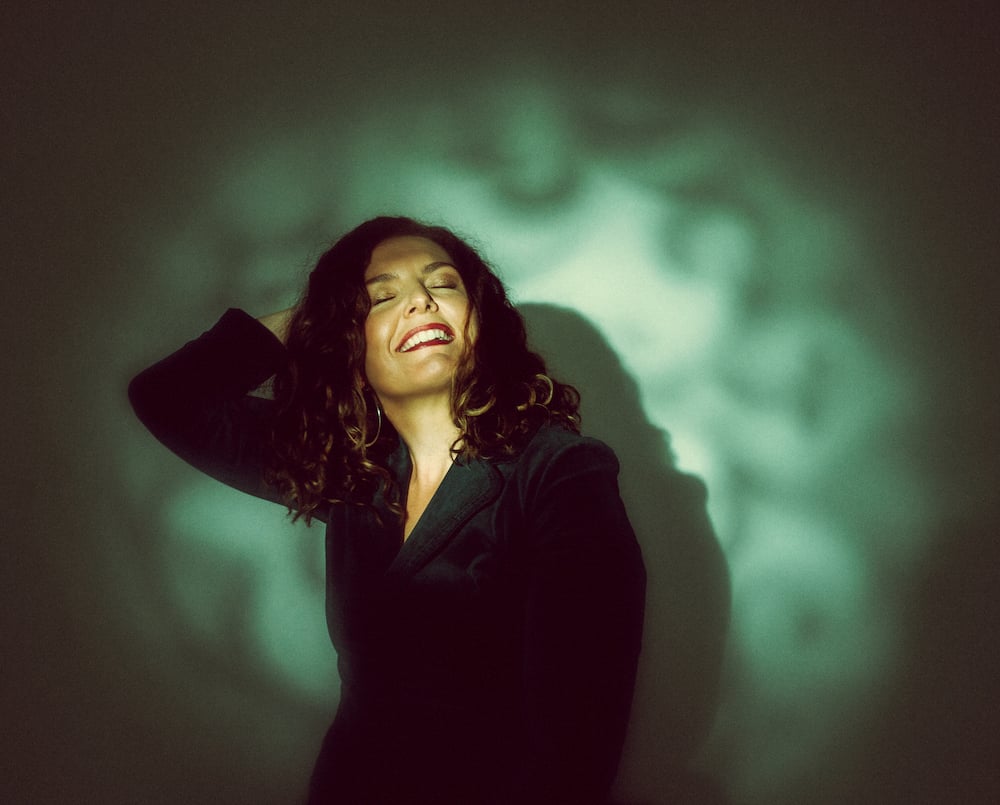
Choosing to step back and redefine success on my own terms was a turning point. It changed how I approach everything, from touring as a musician to working in studio environments and production timelines.
Now I’m much more focused on building a career that works with my needs, rather than against them.
6. What makes you happy? What makes you get up in the morning?
Coffee! Ha ha.
Creating makes me happy. Whether that’s writing music, producing a podcast for Powerd, platforming writers with a disability, or seeing other Powerd Staff members succeed. For example, recently seeing Powerd Media’s Disability Rights Reporter Emma Myers asking questions at the Press Club regarding the NDIS announcement to Mark Butler.
I’m also deeply motivated by purpose, knowing that my work might help someone feel seen, or shift how people think about disability and inclusion.
On a personal level, my family brings me a lot of happiness.
7. Share your words of wisdom for others in the industry.
There’s no single path into this industry, so don’t be afraid to do things differently.
Be curious.
Listen deeply.
Trust your perspective, it has value.
Advocate for yourself and your access needs, even when it feels uncomfortable.
Think about how you can support others too.
The industry doesn’t always reflect the diversity of the world we live in, but that also means there’s real opportunity to shape it.
8. Describe your vision for the audio media industry in the near future.
I’d love to see an industry where access and inclusion are embedded from the start, not added on later. That means more disabled presenters, producers and decision-makers, more diverse stories, and more flexible ways of working.
With the growth of podcasts and digital platforms, there’s a real opportunity to broaden whose voices are heard. I hope we continue moving towards a landscape that is more representative, equitable and open.
9. What role would you like to play in shaping the audio industry of the future?
I want to continue working as both a creator and a producer, telling stories, amplifying disabled voices, and helping to open up pathways for others.
I’m also passionate about mentoring and supporting emerging artists and broadcasters, particularly those from underrepresented communities, and advocating for systemic change within the industry.
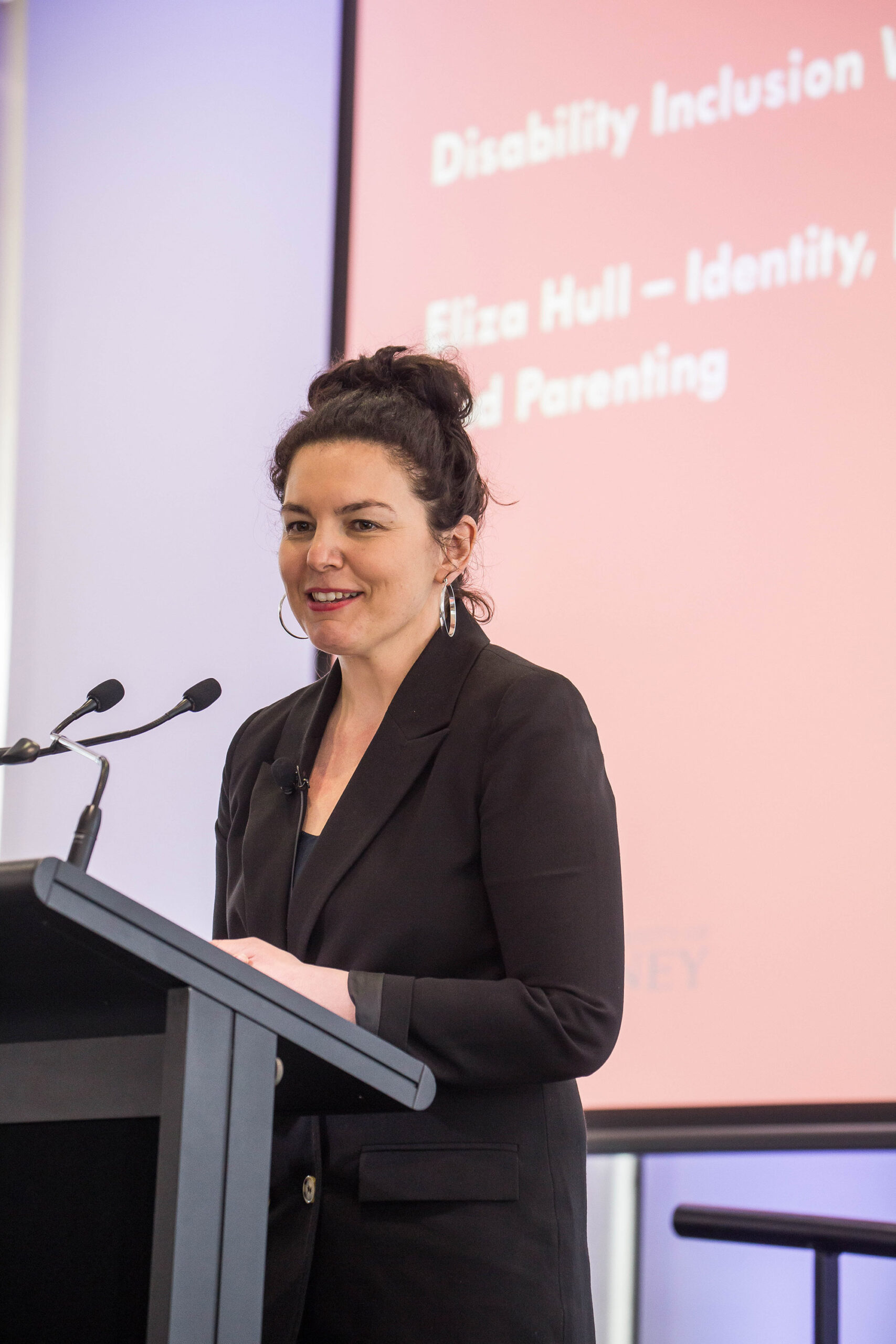
Series compiled by Serena Ahern for radioinfo.
If you have a suggestion for someone to be considered for this series, please send a note to [email protected]
Previous articles in the Wisdom of Women in Media series: